The Complete Guide to Built-in Cabinets
Learn how built-in cabinetry can transform any space—including laboratories—into an organized, efficient workspace. From planning to installation, this guide covers it all.
Read More →
Whether you're outfitting a research facility, school science lab, or industrial workspace, choosing the right lab cabinets is critical for safety, organization, and compliance. This guide covers everything from chemical-resistant materials to flammable storage requirements.
START YOUR RESEARCHWhy Lab Cabinets Matter: Laboratory environments demand more from storage than any other setting. Unlike standard cabinet for storage solutions, lab cabinets must withstand chemical exposure, fire hazards, and heavy daily use while keeping personnel safe. The right cabinet protects your samples, your equipment, and most importantly, your team.
⚠️ AFFILIATE DISCLOSURE: This website contains affiliate links. As an affiliate Associate, we earn from qualifying purchases. If you make a purchase through these links, we may receive a small commission at no additional cost to you. Read our full affiliate policy.


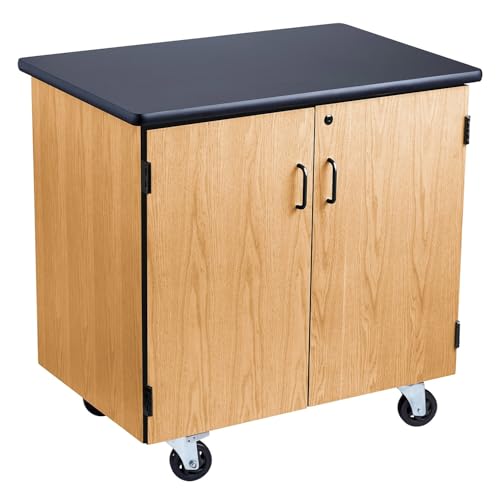

Lab cabinets are specialized storage units engineered to meet the unique demands of scientific, medical, and industrial environments. Unlike standard kitchen or bathroom storage cabinets, laboratory cabinets are built with materials and features that address chemical resistance, fire safety, ventilation, and secure containment of hazardous materials.
From storing volatile solvents to organizing glassware and instruments, these cabinets play a dual role: organization and safety. A well-designed lab storage system reduces the risk of accidents, improves workflow efficiency, and ensures compliance with OSHA, NFPA, and local fire codes.
When outfitting a lab, you'll encounter several cabinet categories. Flammable storage cabinets are perhaps the most critical, designed to contain fires for a specified duration. Corrosive cabinets resist acid and base degradation. General-purpose cabinets handle everyday storage needs. And specialty cabinets exist for everything from gas cylinders to biological samples.
If you're designing a full lab workspace, you may also need base cabinets for under-counter storage and built-in cabinets for a seamless installation. For educational labs or smaller facilities, cabinet and vanities combinations can serve as workstation and storage in one.
The table below breaks down the most common lab cabinet categories by purpose, material, and typical price range. Use this as a starting point for your research.
| Cabinet Type | Primary Use | Typical Material | Price Range |
|---|---|---|---|
| Flammable Storage | Solvents, alcohols, volatile chemicals | Double-wall steel, 18-gauge | $800–$2,500 |
| Corrosive Storage | Acids, bases, corrosive liquids | Polyethylene or epoxy-coated steel | $700–$2,200 |
| General Purpose | Glassware, instruments, supplies | Powder-coated steel or stainless | $400–$1,500 |
| Ventilated Cabinets | Odorous or fume-emitting materials | Steel with ducting ports | $1,200–$3,500 |
| Workstation Cabinets | Combined workspace and storage | Stainless steel or epoxy resin | $1,500–$4,000 |
Not all lab cabinets are created equal. The features below separate professional-grade units from inadequate storage that could compromise safety.
For labs that require organized small-parts storage, consider integrating a cabinet shelf organizer or a cabinet drawer system within your cabinet layout. These additions dramatically improve efficiency when working with small components, slides, and samples.
The material you choose directly impacts durability, chemical resistance, and cost. Here's how the three most common options compare:
For most general lab environments, powder-coated steel offers the best balance of cost, safety, and durability. If your work involves aggressive chemicals, polyethylene is worth the investment. Stainless steel is the go-to choice for cleanrooms, pharmaceutical labs, and food science facilities where hygiene is paramount.
Lab cabinets come in standard widths, typically 30, 36, 48, and 60 inches. The right size depends on your available floor space, the volume of materials you store, and your workflow patterns.
For small labs or satellite workspaces, a small bathroom cabinet ideas approach—maximizing vertical storage in tight footprints—can be adapted to lab settings. Tall, narrow cabinets work well for storing glassware and supplies without consuming valuable bench space.
If your lab doubles as a teaching or demonstration space, consider a cabinet with doors that can be locked during off-hours. For labs that need to display specimens or reference materials, a glass display cabinet provides visibility while protecting contents from dust and contamination.
Larger facilities may benefit from modular systems that combine built-in cabinets guide principles with freestanding units. This hybrid approach gives you the flexibility to reconfigure as your research needs evolve.
Proper installation is just as important as choosing the right cabinet. Flammable storage cabinets should never be placed near ignition sources, and ventilation is required if you're storing materials that emit harmful vapors.
For labs that require extensive modifications, you may want to consult a professional experienced in cabinet remodeling services or review a comprehensive how to install cabinets guide to understand the basics. However, for flammable and corrosive cabinets, professional installation is strongly recommended to ensure compliance.
Key compliance considerations include:
If your lab handles sensitive materials, consider adding a locked medication box or a cabinet with USB ports for charging tablets and instruments used in data collection. These small additions can make a big difference in daily workflow.
Complete laboratory storage
General utility storage
Under-counter storage
Seamless integration
Workstation solutions
Secure enclosed storage
Secure document storage
Easy-access storage
Learn how built-in cabinetry can transform any space—including laboratories—into an organized, efficient workspace. From planning to installation, this guide covers it all.
Read More →Whether you're installing base cabinets, wall cabinets, or a full lab storage system, this installation guide walks you through the process safely and correctly.
Read More →Pull-out shelves are a game-changer for lab cabinets. Discover how they improve accessibility and organization for everything from glassware to reagents.
Read More →Flammable storage cabinets are built with double-wall steel construction, self-closing doors, and grounding connections to contain fires and prevent ignition. General lab cabinets lack these fire-rated features and are suitable only for non-hazardous materials like glassware, instruments, and general supplies. Using a general cabinet for flammable liquids is a serious safety violation.
General-purpose lab cabinets range from $400 to $1,500 depending on size and material. Flammable storage cabinets typically cost $800 to $2,500. Corrosive storage cabinets run $700 to $2,200. Ventilated and workstation models can reach $3,500 or more. Stainless steel units command the highest prices due to material and fabrication costs.
Not always. General-purpose cabinets typically don't require ventilation. However, if you store odorous, volatile, or toxic materials, ventilation is recommended or required by safety codes. Flammable storage cabinets are designed to be sealed and generally should not be vented unless required by local codes, as venting can compromise their fire containment capability.
No. Kitchen cabinets are not designed to withstand chemical exposure, fire hazards, or the heavy daily use of a laboratory environment. They lack the fire ratings, chemical resistance, and structural integrity required for lab safety. Always use cabinets specifically manufactured for laboratory use. If you need general storage inspiration, explore our kitchen storage and cabinet for storage guides—but keep lab and kitchen applications strictly separate.
Maximize vertical storage with tall cabinets, use pull-out shelves for deep cabinets, and consider modular systems that stack. Wall-mounted cabinets free up floor space. If you're working with an extremely tight footprint, review our small kitchen and small bathroom cabinet ideas for spatial inspiration—the principles of efficient storage transfer well to compact labs.
Choosing lab cabinets is a decision that impacts safety, compliance, and daily productivity. Start by identifying the materials you'll store—flammable, corrosive, or general. Then determine the size and configuration that fits your space. Prioritize safety features like self-closing doors, proper labeling, and fire-rated construction.
For labs with specialized needs, don't overlook the value of modular accessories. A cabinet shelf organizer keeps small items tidy, while a cabinet drawer system provides quick access to frequently used tools. If your lab also serves an office or admin function, a cabinet filing unit can keep documentation organized.
And for those designing multi-purpose spaces, remember that storage solutions from other areas—like a linen closet for cleanroom garments or a garage storage cabinet for equipment—can sometimes be adapted for lab use when properly modified for chemical and fire safety.
Explore our recommended lab cabinets above to compare current options and pricing. With the right cabinets, your lab will be safer, more organized, and ready for whatever discoveries lie ahead.
The information provided on CabinetLoop is for educational and informational purposes only. We are not professional interior designers or cabinet technicians, and our content should not replace professional advice. Always consult with a qualified expert regarding cabinet compatibility, safety, or technical concerns. Some content may use AI assistance. Always check product warranties and safety standards before purchasing. If you do not agree, please do not use this website. Read the full disclaimer.