LED Strip Lighting for Cabinets: The Complete Guide
Transform your kitchen, bathroom, or storage cabinets with the perfect LED strip lighting. Learn how to choose the right strips, plan your installation, and create a stunning illuminated space that's both functional and beautiful.
Start Your Lighting ProjectWhy LED Strip Lighting is the Best Choice for Cabinets
When it comes to illuminating cabinets, LED strip lighting stands head and shoulders above traditional lighting options. Here's why homeowners and designers consistently choose LED strips for their cabinet lighting projects:
💡 Energy Efficient
LED strips consume up to 80% less energy than incandescent or halogen bulbs, significantly reducing your electricity bills while providing superior illumination.
🌡️ Cool Operation
LED strips generate virtually no heat, making them safe for use inside cabinets where heat could damage stored items or pose fire risks.
📏 Flexible & Customizable
Cuttable at marked intervals and available in various lengths, LED strips can be customized to fit any cabinet dimension perfectly.
🎨 Wide Color Range
Choose from warm white, cool white, daylight, or RGB color-changing strips to match your kitchen's aesthetic and mood.
⏳ Long Lifespan
Quality LED strips last 50,000 hours or more, meaning you won't need to replace them for years under normal use.
🔇 Silent Operation
Unlike fluorescent fixtures that can hum or flicker, LED strips operate silently and provide flicker-free illumination.
For those comparing cabinet lighting options, LED strips offer a distinct advantage over traditional under-cabinet lighting fixtures. While puck lights and linear fixtures have their place, LED strips provide uninterrupted, seamless illumination that eliminates dark spots and creates a more polished look. If you're still exploring lighting options, our under-cabinet lighting guide provides a comprehensive comparison of all available technologies.
Types of LED Strip Lighting for Cabinets
Not all LED strips are created equal. Understanding the different types will help you choose the right one for your specific cabinet application. The three primary categories are:
1. Single-Color LED Strips
The most common and affordable option, single-color LED strips emit a fixed color temperature. They're ideal for task lighting and general illumination where you want consistent, reliable light. Popular color temperatures include:
- Warm White (2700K–3000K): Creates a cozy, inviting atmosphere. Perfect for rustic kitchen cabinets and traditional spaces.
- Neutral White (3500K–4000K): A balanced, natural light that works well in most kitchens and bathrooms.
- Cool White/Daylight (5000K–6500K): Crisp and energizing. Ideal for modern kitchen cabinets and task-focused areas.
2. RGB (Color-Changing) LED Strips
RGB strips can display millions of colors and are controlled via remote or smartphone app. They're perfect for accent lighting, entertainment spaces, and creating dynamic moods. However, they typically don't produce the same quality of white light as dedicated white LED strips, so they're best used as a supplement to primary lighting.
3. RGBW (RGB + White) LED Strips
The best of both worlds. RGBW strips include dedicated white LEDs alongside RGB LEDs, giving you both vibrant colors and high-quality white light. These are ideal if you want flexibility without compromising on task lighting quality.
When selecting your strip type, consider how you'll use the space. For a small kitchen, a single warm white strip may be all you need. For a larger kitchen with L-shaped cabinets, you might combine warm white task lighting with RGB accent strips for a layered lighting design.
Key Specifications You Must Understand Before Buying
Walking into a store or browsing online, you'll encounter several technical specifications that can make or break your LED strip lighting project. Here's what each one means and why it matters:
Brightness (Lumens & LED Density)
Brightness is measured in lumens (lm). For cabinet task lighting, aim for 300–500 lumens per foot. LED density (LEDs per meter) affects brightness and smoothness—higher density (120 LEDs/m) provides more even light without visible dots, while lower density (60 LEDs/m) is more affordable but may show individual LEDs.
Color Temperature (Kelvin)
Measured in Kelvin (K), this determines the warmth or coolness of the light. As mentioned earlier, 2700K–3000K for warm, 4000K for neutral, and 5000K+ for cool. Match your strip's color temperature to your existing lighting and cabinet style. Shaker cabinets often look best with warm or neutral white, while industrial cabinets pair well with cooler tones.
Voltage: 12V vs. 24V
Both are low-voltage and safe for residential use. 12V strips are more common and cost-effective for short runs (under 16 feet). 24V strips are better for longer runs (over 16 feet) because they experience less voltage drop, maintaining consistent brightness across the entire strip. For most galley kitchen cabinets, 12V is sufficient, but 24V is recommended for larger U-shaped kitchen layouts.
IP Rating (Ingress Protection)
This indicates resistance to dust and moisture. For kitchen and bathroom cabinets, choose at least IP44 (splash-resistant). For areas near sinks or in laundry room cabinets, IP65 or higher is recommended. For dry bedroom storage cabinets, non-IP-rated strips are fine.
CRI (Color Rendering Index)
CRI measures how accurately colors appear under the light. Look for CRI 90+ for kitchen cabinets where you'll be evaluating food and ingredients. Lower CRI can make food look dull or unnatural.
Power Supply & Wattage
LED strips require a power supply (driver) to convert AC to low-voltage DC. Calculate total wattage by multiplying strip length by wattage per foot, then add 20% headroom. For example, 10 feet of 3W/ft strip = 30W, so choose a 36W+ power supply. For cabinet outlet strips and power management, plan your connections carefully.
LED Strip Lighting Cost Guide
Budgeting for your LED strip lighting project is straightforward once you understand the components involved. Here's a realistic breakdown of what you can expect to pay for quality LED strip lighting for cabinets:
| Component | Typical Price Range | Notes |
|---|---|---|
| Basic LED Strip (16 ft) | $15–$30 | Single color, 60 LEDs/m, non-waterproof |
| Premium LED Strip (16 ft) | $30–$60 | High CRI, 120 LEDs/m, IP65 rated |
| RGB/RGBW Strip (16 ft) | $25–$70 | With remote or app control |
| Power Supply (60W) | $15–$35 | 12V or 24V DC driver |
| Dimmer Switch | $10–$40 | Wall-mounted or inline |
| Connectors & Mounting | $10–$25 | Clips, channels, solderless connectors |
| Aluminum Channels (optional) | $10–$30 | For heat dissipation and diffusion |
Total Project Cost: For a typical kitchen with 20 feet of cabinet lighting, expect to spend $80–$250 for a DIY installation using quality components. Professional installation adds $200–$500 depending on complexity. Compared to the transformative effect on your kitchen's functionality and aesthetics, LED strip lighting remains one of the most cost-effective home improvements you can make.
If you're working within a tight budget, our affordable cabinet picks guide can help you allocate resources wisely. For those planning a full kitchen renovation, consider timing your LED lighting purchase alongside your cabinet project—our cabinet purchase timeline provides a helpful planning framework.
How to Install LED Strip Lighting in Cabinets
Installing LED strip lighting is a manageable DIY project for most homeowners. Follow this step-by-step guide for professional results:
Step 1: Plan Your Layout
Measure the areas you want to illuminate. For under-cabinet lighting, the strip should be mounted at the front edge of the cabinet bottom, facing down. For inside-cabinet lighting, mount strips at the front top or sides, facing inward. For corner cabinets, plan for angled or split runs. Draw a simple diagram showing strip runs, power supply location, and wire routing.
Step 2: Prepare the Surface
Clean the mounting surface thoroughly with a degreaser or rubbing alcohol. LED strips use adhesive backing, but it works best on clean, dry, smooth surfaces. For painted or unfinished wood, consider applying a clear coat or using mounting clips for extra security.
Step 3: Cut and Connect
LED strips can be cut at marked intervals (usually every 2–4 inches). Use sharp scissors and cut precisely on the marked line. Use solderless connectors or soldering for connections. For longer runs, use strip-to-strip connectors or wire leads. If you're new to cabinet installation, our cabinet installation guide covers fundamental techniques that apply here.
Step 4: Mount the Strips
Peel the adhesive backing and press firmly along your planned route. For aluminum channels, mount the channel first, then insert the strip. Channels provide better heat dissipation, a cleaner look, and diffuse the light for a softer glow. If you're also adding cabinet puck lights for focused illumination, coordinate their placement with your strip layout.
Step 5: Wire and Connect Power
Route wires along the back of cabinets or through cabinet cable management solutions. Connect strips to the power supply, ensuring polarity is correct. Use cabinet outlet strips for convenient power access if your existing outlets are insufficient. For safety, follow electrical codes and consider a licensed electrician for hardwired installations.
Step 6: Add Controls
Install a dimmer switch for adjustable brightness. Smart controllers allow app or voice control. For a polished look, hide controllers and wiring inside cabinets or behind cabinet shelf risers.
Pro Tip: Test your entire setup before final mounting. Connect everything temporarily, check for even illumination, and ensure all connections are secure. This saves time and frustration later.
Design Ideas for LED Strip Cabinet Lighting
LED strip lighting isn't just functional—it's a powerful design tool. Here are inspiring ways to use LED strips in your cabinets:
Under-Cabinet Task Lighting
The classic application. Mount warm or neutral white strips under upper cabinets to illuminate countertops for food prep. This eliminates shadows and makes your workspace safer and more enjoyable. Pair with cabinet spice racks or pull-out cabinet shelves for a highly functional cooking zone.
Inside-Cabinet Ambient Glow
Add strips inside cabinets with glass front cabinets or open shelving to showcase dishes, glassware, or decor. Cool white strips create a museum-like display effect, while warm white adds cozy elegance.
Drawer and Shelf Highlighting
Install thin LED strips inside drawers or along shelf edges. When you open a drawer, the light automatically illuminates the contents—especially useful for cabinet drawer dividers and deep drawers. This is a game-changer for pantry cabinets where finding items in the back can be challenging.
Toe-Kick Accent Lighting
Mount strips at the base of cabinets (toe-kick area) facing down or outward. This creates a floating effect and provides subtle nighttime illumination. It's a stunning addition to minimalist kitchen cabinets and modern designs.
Bathroom Vanity Glow
Use LED strips behind or under bathroom vanity cabinets for a spa-like atmosphere. Moisture-resistant strips (IP65+) are essential here. Pair with cabinet organizer inserts for a beautifully organized vanity.
Color-Changing Mood Lighting
RGB strips let you change the mood with a tap. Set cool white for morning energy, warm amber for evening relaxation, or vibrant colors for parties. This works especially well in open-concept kitchens and entertainment areas.
For more styling inspiration, explore our cabinet style and design hub, which covers everything from cabinet vignette ideas to two-tone cabinet design.
Pros and Cons of LED Strip Lighting for Cabinets
Like any lighting solution, LED strips have advantages and limitations. Here's an honest assessment to help you decide:
✅ Advantages
- Extremely energy efficient—up to 80% savings vs. incandescent
- Low heat output, safe for enclosed cabinets
- Flexible and cuttable for custom fits
- Long lifespan (50,000+ hours)
- Even, continuous illumination without dark spots
- Available in countless colors and brightness levels
- Thin profile—barely visible when installed correctly
- Dimmable and smart-home compatible
- Affordable entry point for dramatic results
⚠️ Limitations
- Requires a power supply and wiring planning
- Adhesive backing may fail in humid or greasy environments (use channels)
- Cheap strips can flicker or have inconsistent color
- Voltage drop on long runs without proper power injection
- RGB strips may have lower CRI for white light
- Can be tricky to install neatly without experience
- Non-replaceable LEDs mean replacing the whole strip if damaged
Despite these limitations, the pros overwhelmingly outweigh the cons for most applications. With quality components and careful installation, LED strip lighting delivers professional results that rival custom lighting systems costing far more. For those concerned about installation complexity, our installation and accessories hub offers helpful tools and guides, including cable management and leveling techniques that make the job easier.
Maintenance and Care for Cabinet LED Lighting
LED strip lighting requires minimal maintenance, but a few simple habits will extend its life and keep it looking great:
- Dust regularly: Use a dry microfiber cloth or soft brush to gently wipe strips and channels. Avoid liquid cleaners directly on LEDs. For general cabinet cleaning, see our cabinet surface cleaning guide.
- Check connections: Periodically inspect connectors and power supplies for looseness or corrosion. Tighten or replace as needed.
- Address moisture: In kitchens and bathrooms, ensure strips are properly sealed (IP-rated) and channels are used. If you notice condensation, improve ventilation.
- Manage heat: While LEDs run cool, poor ventilation in enclosed spaces can still cause overheating. Aluminum channels help dissipate heat effectively.
- Clean spills promptly: If food or liquids splatter on strips, wipe immediately. For tough residue, see our sticky residue removal guide.
- Protect from humidity: In laundry rooms or damp areas, use humidity control strategies alongside IP-rated strips.
With proper care, your LED strip lighting will provide reliable, beautiful illumination for a decade or more. If you're also maintaining natural wood cabinets, our cabinet wood polishing guide pairs well with lighting maintenance routines.
Ready to Illuminate Your Cabinets?
Browse our recommended LED strip lighting products below and take the first step toward a brighter, more functional kitchen.
Shop LED Strip LightsCommon Mistakes to Avoid with LED Strip Cabinet Lighting
Learning from others' mistakes can save you time, money, and frustration. Here are the most common pitfalls:
- Underestimating power needs: Always add 20% headroom to your power supply calculation. Undersized power supplies cause flickering or failure.
- Ignoring voltage drop: On runs over 16 feet, use 24V strips or inject power at both ends. Otherwise, the far end will be noticeably dimmer.
- Using cheap adhesive only: In kitchens, heat and grease degrade adhesive. Use aluminum channels or mounting clips for a permanent solution.
- Choosing the wrong color temperature: Mixing 3000K and 5000K strips in the same visual space looks disjointed. Stick to one temperature per area.
- Forgetting dimming capability: Not all dimmers work with all LED strips. Verify compatibility before purchasing.
- Neglecting wire management: Visible wires ruin the clean look. Use cabinet cable management solutions to hide wiring.
- Skipping a test fit: Always test your layout and connections before permanent mounting. This is the most common regret among DIYers.
For a broader look at cabinet buying and installation mistakes, our cabinet buying mistakes guide covers pitfalls that apply across all cabinet projects.
Frequently Asked Questions About LED Strip Cabinet Lighting
How many LED strips do I need for my kitchen cabinets?
Measure the total linear feet of cabinet area you want to illuminate. For under-cabinet task lighting, cover the full length of upper cabinets. For inside-cabinet lighting, one strip per shelf or cabinet section is usually sufficient. A standard kitchen typically requires 15–30 feet of LED strip.
Can I cut LED strips to fit my cabinets?
Yes, LED strips are designed to be cut at marked intervals, usually every 2–4 inches. Always cut precisely on the marked line to avoid damaging the circuit. After cutting, use solderless connectors or soldering to reconnect if needed.
Are LED strips safe for inside cabinets?
Absolutely. LED strips generate very little heat, making them safe for enclosed spaces. However, ensure proper ventilation in tightly sealed cabinets, and always use a properly rated power supply. For added safety, choose strips with heat-dissipating aluminum channels.
What color temperature is best for kitchen cabinets?
For task lighting, 3000K–4000K (warm to neutral white) is ideal. It provides good color rendering for food prep without being harsh. For display cabinets, 2700K–3000K creates an inviting glow. For modern kitchens, 4000K–5000K offers a crisp, clean look.
Do I need a professional to install LED strip lighting?
Most LED strip installations are DIY-friendly if you're comfortable with basic measuring, cutting, and connecting low-voltage wiring. However, if you need new electrical outlets or hardwired dimmers, consult a licensed electrician. Our cabinet installation guide can help with general techniques.
How long do LED strip lights last?
Quality LED strips last 50,000 hours or more—that's over 10 years if used 12 hours a day. Lifespan depends on quality, heat management, and power supply stability. Using aluminum channels and not exceeding voltage ratings will maximize longevity.
Can I use LED strips in bathroom vanity cabinets?
Yes, but choose moisture-resistant strips with an IP65 rating or higher. Avoid direct water contact and use sealed channels. For bathroom cabinet organization, pair with cabinet organizer inserts for a polished result.
Recommended LED Strip Lighting for Cabinets
⚠️ AFFILIATE DISCLOSURE: This website contains affiliate links. As an affiliate Associate, we earn from qualifying purchases. If you make a purchase through these links, we may receive a small commission at no additional cost to you. Read our full affiliate policy.

EZVALO 80RGB Color Changing Under Cabinet Lighting, Led Shelf Lights | Wireless, Rechageable, Magnetic, Remote Control, Color Changing, Diammble, DIY Mode, 1800mAh Battery, Memory Function
Check price on Amazon
DAYBETTER Under Cabinet Lights, 6 PCS Under Cabinet Lighting with Remote, Dimmable LED Strip Lights for Bedroom, LED Lights for Kitchen Cabinet, Counter Shelf 2700K-6500K Warm to Daylight White, 9.8ft
Check price on Amazon
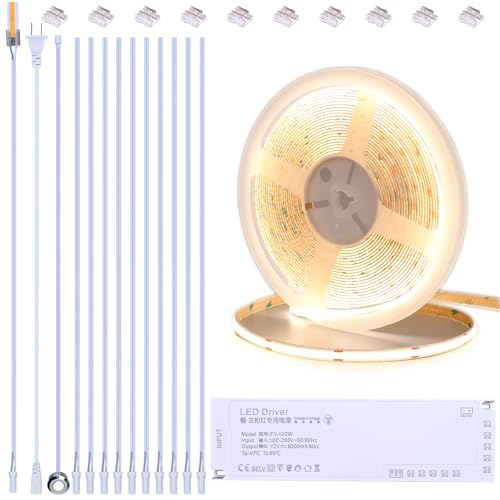
AIMENGTE 12V COB LED Cabinet Lights Black Strip, 6 x 3.3ft Touch Dimmable 3000K Warm White Lighting for Parallel Wood Slat Wall Panels, Display Cabinets, Wardrobes, Showcases, Shelves
Check price on Amazon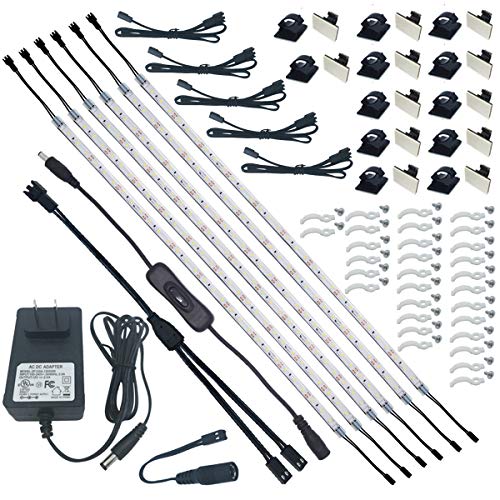
Litever Under Cabinet Light, 6 PCS 20 Inches Flexible LED Strips with Power Adapter, 24W,1800 Lumen, Daylight 5000K. Suitable for Kitchen Cabinets, Counters, Under Shelf, Closets (6-Strip-5000K)
Check price on Amazon
AIMENGTE 12V COB LED Cabinet Lights Strip, 6 x 3.3ft Touch Dimmable 3000K Warm White Lighting for Parallel Wood Slat Wall Panels, Display Cabinets, Wardrobes, Showcases, Shelves
Check price on Amazon
MYPLUS Under Cabinet LED Lighting, 16.4ft Dimmable Strip Lights, 3000K | Warm White,1050LM,300Leds,12V,Light Strip for Kitchen, Cabinet, Shelf, Counter, Bedroom and Décor
Check price on Amazon
WOBANE Under Cabinet Lighting Kit,6.6 Feet Flexible LED Strip Lights Bar | 120 LEDs,1200lm,2700K,WarmWhite Under Counter Lights for Kitchen,Cupboard,Desk,Monitor Back,Shelf,Tape Light ,4PCS 20inch
Check price on Amazon