
Cabinet Dust Barrier Tips: Protect Your Kitchen Investment
Discover effective strategies to keep dust, grease, and moisture away from your cabinets. Maintain a cleaner kitchen and extend the life of your cabinetry with these expert tips.
EXPLORE CARE GUIDEWhy Dust Barriers Matter: Dust accumulation on cabinets isn't just an aesthetic issue. Over time, dust combines with kitchen grease and moisture to create a sticky film that can damage finishes, discolor wood, and even harbor allergens. A proper dust barrier strategy protects your investment and keeps your kitchen healthier.
Understanding Cabinet Dust Barriers
Kitchen cabinets are constantly exposed to airborne particles from cooking, cleaning, and everyday activity. Without proper protection, these particles settle on surfaces and in crevices, leading to dull finishes and difficult cleanup. A dust barrier acts as a protective shield, preventing contaminants from reaching the cabinet surface. Whether you have modern kitchen cabinets with sleek flat panels or traditional raised panel cabinet doors, the right barrier approach can make a significant difference.
Effective dust barriers range from simple physical covers to chemical treatments and strategic design choices. The best solution depends on your kitchen's layout, cooking habits, and the materials of your cabinetry. For instance, solid wood cabinets benefit from moisture-resistant barriers, while thermofoil cabinet doors may require gentler cleaning agents to avoid surface damage.
Types of Cabinet Dust Barriers
1. Physical Barrier Covers
Physical covers are the most straightforward dust barrier. These include removable shelf liners, cabinet door covers, and protective films. Cabinet shelf liner installation is a popular method to protect the interior of cabinets from dust and spills. For exteriors, temporary covers during renovations or deep cleaning can prevent dust from settling on doors and frames.
When choosing physical barriers, consider materials that are easy to clean and don't trap moisture. Non-adhesive shelf liners are ideal because they won't leave residue on your cabinet surfaces. For glass front cabinets, a simple microfiber cloth draped over the glass during dusty periods can be an effective temporary barrier.
2. Chemical and Surface Treatments
Anti-static sprays and dust-repellent coatings create an invisible barrier that prevents dust from adhering to cabinet surfaces. These products are especially useful for flat panel cabinet doors and other smooth finishes. However, always test on a small area first and ensure the product is compatible with your cabinet material. For oak kitchen cabinets or other porous woods, avoid silicone-based sprays that can penetrate and discolor the wood.
Regular application of a quality furniture polish can also serve as a dust barrier by creating a slick surface. Pair this with routine cabinet wood polishing to maintain both appearance and protection.
3. Environmental and Design Barriers
Your kitchen's ventilation system plays a crucial role in dust control. A properly maintained range hood captures grease and smoke before they settle on cabinets. Additionally, strategic placement of cabinets away from direct cooking zones reduces exposure. If you're planning a renovation, consider cabinet placement that minimizes dust accumulation—for example, avoiding cabinets directly above stovetops where possible.
For open shelving or open vs closed cabinets configurations, dust barriers become even more critical. Closed cabinets naturally protect contents, but the exterior still requires attention. Using cabinet organizer inserts inside drawers and shelves can also minimize dust settling on stored items.
Dust Barrier Tips for Specific Cabinet Types
Kitchen Cabinets
Kitchen cabinets face the highest dust and grease exposure. For shaker kitchen cabinets, the recessed center panel can trap dust. Use a soft brush attachment on your vacuum to clean these areas weekly. Applying a thin layer of carnauba wax creates a sacrificial barrier that can be easily wiped clean. For small kitchen cabinets, consider adhesive-backed dust barriers on the top surfaces where dust accumulates most.
Bathroom Vanities
Bathroom cabinets deal with humidity and dust from towels and toiletries. A moisture-absorbing barrier, such as a dehumidifying packet placed inside the cabinet, can prevent dust from becoming sticky. For bathroom vanity cabinets, ensure the barrier material is mold-resistant. Regular cabinet humidity control is essential to prevent dust from adhering to damp surfaces.
Bedroom and Laundry Cabinets
Bedroom storage cabinets are less exposed to grease but still collect lint and dust. Using bedroom storage cabinets with doors rather than open shelving is a built-in dust barrier. For laundry room cabinets, lint is the primary concern. Install a lint-catching barrier or use a fabric softener sheet wiped along the cabinet surface to reduce static cling.
Garage and Utility Cabinets
Garage cabinets contend with heavy dust, sawdust, and outdoor particles. A physical cover, such as a tarp or plastic sheeting, can protect garage storage cabinets during projects. For metal cabinet frames, a quick wipe with a dryer sheet reduces dust attraction. Ensure any barrier used in garages is fire-resistant if placed near tools or vehicles.
Building a Dust Barrier Maintenance Routine
Consistency is key to effective dust management. Here's a simple routine:
- Weekly: Wipe down cabinet exteriors with a microfiber cloth. For cabinet surface cleaning, use a mild soap solution for greasy areas.
- Monthly: Vacuum cabinet tops and crevices using a brush attachment. Check and replace any physical barriers like shelf liners.
- Quarterly: Apply a dust-repellent treatment or polish. Inspect hinges and slides for dust buildup—cabinet hinge repair or cabinet drawer slide repair may be needed if dust causes stiffness.
- Annually: Deep clean cabinets and consider reapplying protective coatings. Address any cabinet scratch touch-up or finish issues that could trap dust.
For spills that attract dust, immediate cabinet liquid spill cleanup prevents sticky residue from becoming a dust magnet. If odors develop from trapped dust and moisture, cabinet odor neutralizing treatments can help.
Long-Term Dust Protection Strategies
Beyond routine maintenance, consider these long-term strategies:
- Upgrade Hardware: Soft-close cabinets reduce vibration that can stir up dust. Similarly, cabinet pulls and knobs that are easy to grip mean less hand contact with door surfaces, reducing oil transfer that attracts dust.
- Improve Ventilation: Ensure your range hood is properly sized and vented. Consider adding a under-cabinet lighting guide to illuminate dusty areas for easier cleaning.
- Use Protective Accessories: Cabinet bumpers and pads prevent door slamming that can dislodge dust. Cabinet anti-tip straps are essential for safety but also keep cabinets stable, reducing dust from movement.
- Seal Gaps: Use caulk or weatherstripping to seal gaps between cabinets and walls. This prevents dust from entering through cabinet cable management holes or cabinet outlet strips.
If your cabinets are older and showing significant wear, cabinet surface refinishing or a full cabinet repainting guide can restore a smooth, dust-resistant surface. For vintage pieces, vintage cabinet restoration can bring new life while incorporating modern dust barriers.
Recommended Dust Barrier Products for Cabinets
⚠️ AFFILIATE DISCLOSURE: This website contains affiliate links. As an affiliate Associate, we earn from qualifying purchases. If you make a purchase through these links, we may receive a small commission at no additional cost to you. Read our full affiliate policy.

100Pcs Dishwasher Rack Prong Tip Caps for End Protection | PVC Plastic, 2.5x0.2x0.2cm Size, Dust Resistance, Water Barrier for Dishwasher Tines
Check price on Amazon
100pcs Plastic Screw Covers Caps, Cabinets and Desks DIY | Self Tapping Design, Dust Resistant Finish, Tool-free Setup for Shelving Units, Office Assembly, and Exposed Fasteners
Check price on Amazon
Blue PET Drawer Paper Pad for Cabinets and Shelves, Anti Oil
Check price on Amazon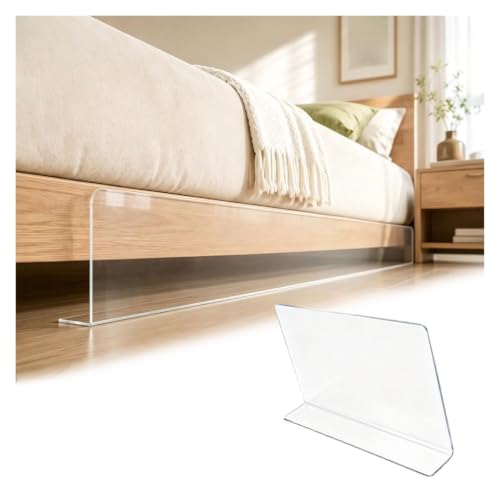
Clear Acrylic Gap Guard Panel for Bed and Wall Spaces
Check price on Amazon
Clear Acrylic Gap Guard Panel for Bed and Wall Spaces
Check price on Amazon
Clear Acrylic Gap Guard Panel for Bed and Wall Spaces
Check price on Amazon
Transparent Acrylic Gap Guard Strip for Stairs, Customized
Check price on Amazon
Clear Acrylic Gap Guard Panel for Bed and Wall Spaces
Check price on AmazonFinal Thoughts on Cabinet Dust Barriers
Protecting your cabinets from dust is an ongoing process, but the effort pays off in preserved beauty and extended lifespan. By combining physical barriers, chemical treatments, and smart maintenance habits, you can keep your cabinets looking pristine. Remember that the right approach depends on your cabinet material—whether you have maple kitchen cabinets, cherry kitchen cabinets, or walnut kitchen cabinets, each has unique needs.
Start with a simple routine today and explore our cabinet care and maintenance hub for more detailed guidance. For those in the planning phase, review our first cabinet checklist to ensure you select cabinets that are easy to maintain and protect.