
Locked Medication Box: Secure Storage Guide & Best Picks
Protect your family and keep prescriptions organized with the right locked medication box. Our comprehensive guide covers safety features, size options, and top recommendations for every household.
VIEW TOP PICKSWhy a Locked Medication Box Matters: Whether you have curious children, visiting grandchildren, or simply want to prevent accidental overdose, a secure medication storage solution is essential. A locked medication box provides peace of mind while keeping your prescriptions organized and easily accessible to the right people.
Why You Need a Locked Medication Box
Medication safety is a critical concern for every household. According to health organizations, thousands of accidental poisonings occur each year, many involving children who gain access to unsecured medications. A locked medication box is the first line of defense against these preventable incidents.
Beyond child safety, a secure medication box also protects against theft, prevents medication mix-ups, and keeps your prescriptions organized. For households with elderly family members or individuals managing chronic conditions, having a dedicated locked drawer cabinet or medication box ensures that daily medications are stored safely and consistently.
When choosing a locked medication box, consider factors like lock type, size, portability, and material. Some models are designed for travel, while others are meant to be permanently installed in a cabinet for storage or bathroom. Understanding your specific needs will help you select the right solution.
Key Features to Look For in a Locked Medication Box
🔒 Lock Mechanism
Choose between keyed locks, combination locks, or biometric fingerprint locks. Keyed locks are reliable and affordable, while combination and biometric options offer keyless convenience and are ideal for multiple users.
📏 Size & Capacity
Small boxes (8–10 inches) work for daily medications and travel. Medium boxes (12–14 inches) fit multiple prescriptions. Large cabinets (16+ inches) accommodate family-sized medication storage and first-aid supplies.
🛡️ Material & Durability
Look for medical-grade plastic, steel, or heavy-duty ABS plastic. Steel offers maximum security, while high-quality plastic provides portability and rust resistance for bathroom environments.
🚪 Portability
Travel-friendly boxes are lightweight and compact, fitting easily in luggage or a carry-on. Permanent boxes are designed for shelf or wall mounting, providing a secure home base for all medications.
💧 Moisture Protection
Bathrooms are humid environments that can degrade medications. Choose a box with a rubber gasket or desiccant pack to maintain a dry, stable environment for your prescriptions.
📦 Organization
Removable dividers, compartments, and stackable trays help separate different medications, vitamins, and first-aid items. Good organization prevents mix-ups and makes daily routines easier.
Types of Locked Medication Boxes
There are several types of secure medication storage solutions, each suited to different needs and environments. Understanding the differences will help you make an informed decision.
| Type | Best For | Security Level | Price Range |
|---|---|---|---|
| Portable Lock Box | Travel, daily medication, small households | Medium | $20–$45 |
| Locking Pill Organizer | Weekly pill management, individual use | Low–Medium | $15–$30 |
| Steel Medication Safe | High-security needs, controlled substances | High | $50–$150 |
| Locking Cabinet Insert | Bathroom or kitchen cabinet integration | Medium–High | $40–$120 |
| Biometric Medication Box | Keyless access, multiple users, tech-savvy homes | High | $80–$250 |
For those who prefer a built-in solution, a locked drawer cabinet can be integrated into existing bathroom or kitchen cabinetry. This approach keeps medications out of sight and securely stored without taking up counter space. If you're remodeling, consider pairing this with a recessed medicine cabinet with mirror for a seamless, functional design.
Pros and Cons of Locked Medication Boxes
✅ Advantages
- Prevents accidental poisoning in children and pets
- Deters theft of controlled substances
- Keeps medications organized and easy to find
- Portable options available for travel
- Protects medications from moisture and light
- Provides peace of mind for caregivers
❌ Disadvantages
- Keyed models require managing keys
- Some boxes may be too small for large families
- Biometric models need battery replacement
- Higher-security options can be expensive
- Not all boxes are waterproof or humidity-proof
How to Choose the Right Locked Medication Box
Selecting the perfect locked medication box involves assessing your specific situation. Here are the key considerations:
1. Assess Your Household: If you have young children or frequent visitors, prioritize high-security options like steel safes or biometric locks. For individual use, a portable lock box may suffice.
2. Consider Your Space: Measure the area where you plan to store the box. A cabinet 12 inches deep can accommodate most medium-sized boxes, while smaller shelves may require compact models.
3. Think About Accessibility: If you need quick access to medications, choose a box with a simple key or combination lock. For maximum security, biometric options provide fast access without keys.
4. Plan for Organization: Look for boxes with adjustable dividers or removable trays. If you're managing multiple prescriptions, consider a larger cabinet with pull-out shelves for easy visibility and access.
5. Budget Appropriately: Locked medication boxes range from $15 for basic pill organizers to $250+ for high-security biometric safes. Determine your budget and prioritize features that matter most to you.
Installation and Placement Tips
Proper placement of your locked medication box is just as important as the box itself. Here are some best practices:
Bathroom Storage: If storing in a bathroom, consider a semi-recessed medicine cabinet or a bathroom cabinet only solution that can be locked. Avoid placing medications directly above sinks or toilets where moisture and contamination risks are highest.
Kitchen Storage: For families who prefer kitchen storage, a locked box can be placed in an upper cabinet with doors or a dedicated cabinet pantry. Ensure the location is out of reach of children but easily accessible to adults.
Bedroom Storage: For individuals managing chronic conditions, a bedside locked box provides convenient access. Consider a nightstand with a locking drawer or a small lock box on a shelf.
Wall-Mounted Options: Some medication boxes are designed for wall mounting. These are ideal for small bathrooms or spaces where counter space is limited. Pair with a over-the-toilet storage cabinet wall mount for additional storage.
Best Locked Medication Boxes & Secure Storage
⚠️ AFFILIATE DISCLOSURE: This website contains affiliate links. As an affiliate Associate, we earn from qualifying purchases. If you make a purchase through these links, we may receive a small commission at no additional cost to you. Read our full affiliate policy.

Medicine Lock Box for Safe Medication, 10L Lockable Storage Box for Fridge/Snacks Food, Phone Lock Boxes with Combination Code for Home/Dorms/Office Storage (1, Translucent White)
Check price on Amazon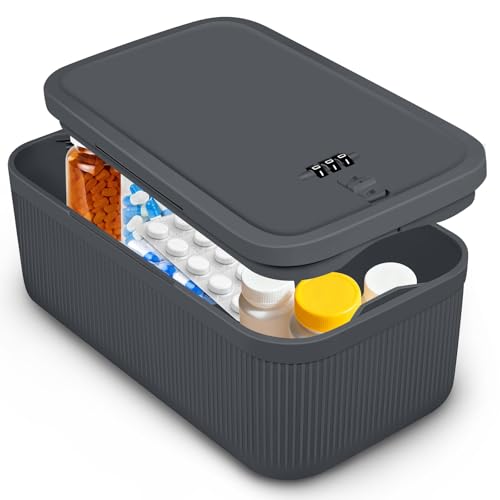
Small Lock Box,Lockable Storage Box with Combination Code for Medication Safe, Medicine Lock Box for Pills/First Aid Kits/Food/Snack Phone Jail,Locked Container for Home/Fridge/Office (Gray)
Check price on Amazon
Lockabox One™ 10L Medication Lock Box and Medicine Storage Box (Medi Blue) | Medicine lock box. Lock box for medication and pills. 12.2 x 8.3 x 6.7 in. 3-digit lock. Medical-grade polycarbonate body.
Check price on Amazon
Lockbako Medicine Lock Box with Key, Aluminum Alloy Lock Box for Medication | Portable with Handle, 2 Layer with Removable Tray to Store First Aid Supplies&Pills for Home&Office&Travel&Outdoor, 10 Inch
Check price on Amazon
Uniclife Locking Medicine Cabinet, Large Medication Lock Cabinet with Code | Heavy-duty wall-mount medicine safe, resettable combination lock, 2 spare keys, large capacity for home, office and school
Check price on Amazon
KYODOLED Medication Lock Box with 2 Keys, Medicine Storage, Silver Aluminum | 10.2" x 6.3" x 6.7", Removable Tray & Elastic Pocket, Fits Prescription Bottles, Carrying Strap, for Home, Office & Care Use
Check price on Amazon
Lockabox One™ 10L Lockable Storage Box and Lock Box with Code (Crystal) | Combination lock box and refrigerator lock box for snacks. 12.2 x 8.3 x 6.7 in. 3-digit lock. Medical-grade polycarbonate.
Check price on Amazon
Glosen Medication Lock Box with Key, 2-Layer Medicine Lock Box with Meds Tray, Portable First Aid Box with Handle for Home, Travel(10x6.7x6.7Inch)
Check price on AmazonSecure Your Medications Today
Don't wait for an accident to happen. Browse our top-rated locked medication boxes and find the perfect solution for your home.
SHOP RECOMMENDED PRODUCTSMaintenance and Care for Your Locked Medication Box
To ensure your locked medication box remains secure and functional, follow these maintenance tips:
Regular Cleaning: Wipe down the interior and exterior with a mild disinfectant. Avoid harsh chemicals that can damage plastic or metal finishes. For wooden cabinets, use appropriate cabinet surface cleaning techniques.
Lock Maintenance: For keyed locks, apply a small amount of graphite lubricant annually. For combination locks, periodically test the mechanism to ensure smooth operation. Biometric locks should have their sensors cleaned regularly and batteries replaced as needed.
Moisture Control: Add a desiccant pack or silica gel packet to absorb moisture, especially if the box is stored in a bathroom. Replace desiccant packs every 2–3 months or as recommended by the manufacturer.
Inventory Checks: Periodically review your medication inventory to dispose of expired prescriptions. Many communities offer drug take-back programs for safe disposal.
Additional Considerations for Medication Safety
While a locked medication box is essential, it's only one part of a comprehensive medication safety strategy. Consider these additional measures:
Up-to-Date Records: Keep a list of all medications, dosages, and prescribing physicians. Store this list in a safe place and share it with caregivers or family members in case of emergency.
Proper Disposal: Never flush medications down the toilet unless instructed. Use drug take-back programs or mix medications with undesirable substances before throwing them away.
Communication: Educate family members about medication safety. Ensure that everyone knows where medications are stored and how to access them in an emergency.
Professional Installation: If you're installing a built-in locking cabinet, consider hiring a professional. Services like cabinet remodeling services can ensure proper installation and integration with your existing cabinetry.
For those who need to store medications alongside other valuables, a cabinet for living room storage with a locking compartment can serve dual purposes. Similarly, a cabinet and islands combination in a kitchen can provide both storage and a secure area for medications.
Frequently Asked Questions
Final Thoughts
Investing in a locked medication box is one of the most responsible decisions you can make for your household. Whether you choose a simple portable lock box or a sophisticated biometric safe, the key is to ensure that medications are stored securely, organized efficiently, and accessible only to authorized individuals.
Remember to consider your specific needs—household size, space constraints, budget, and security requirements—when making your choice. With the right locked medication box, you can protect your loved ones, prevent accidents, and enjoy peace of mind knowing that your medications are safe and secure.
For more home organization and safety solutions, explore our guides on bathroom storage cabinets, linen closet organization, and kitchen storage ideas.