
Cabinet Surface Cleaning: A Complete Guide to a Spotless Finish
Discover the safest and most effective methods to clean, protect, and maintain the beauty of your kitchen and bathroom cabinets for years to come.
EXPLORE CARE GUIDESWhy Regular Cabinet Cleaning Matters: Kitchen cabinets endure grease, steam, and daily wear, while bathroom vanities face moisture and soap scum. Proper cleaning not only keeps them looking new but also preserves the finish, prevents long-term damage, and extends their lifespan. This guide will walk you through the correct techniques for every material type.
Top-Rated Cabinet Cleaning Supplies
⚠️ AFFILIATE DISCLOSURE: This website contains affiliate links. As an affiliate Associate, we earn from qualifying purchases. If you make a purchase through these links, we may receive a small commission at no additional cost to you. Read our full affiliate policy.

Kitchen Cabinet Cleaner – Gentle, Residue-Free and Effective Everyday Degreaser & Grime Remover for Wood, Painted and Finished Furniture - Complete with Cleaning Brush & Cabinet Cleaner Spray 32oz
Check price on Amazon
MiracleWipes for Wood Surfaces, Remove Dirt and Grime Buildup, Clean, Protect, and Polish Cabinets, Furniture, and Wood Floors, Great for Kitchen and Bathroom Cleaning Support - 60 Count
Check price on Amazon
MiracleWipes for Wood Surfaces, Remove Dirt and Grime Buildup, Clean, Protect, and Polish Cabinets, Furniture, and Wood Floors, Great for Kitchen and Bathroom Cleaning Support - 30 Count
Check price on Amazon
Guardsman Deep Cleaning Wood Cleaner for Cabinets, Furniture, Tables, and Other Wood Surfaces, Aerosol Spray, 12.5 Ounces
Check price on Amazon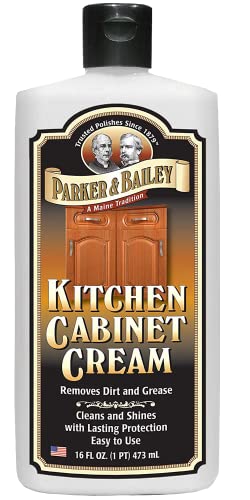
Parker and Bailey Kitchen Cabinet Cream Wood Cleaner Grease Remover 1pk | Wood degreaser that restores and protects cabinets naturally
Check price on Amazon
THOMASVILLE KITCHEN CABINET CREAM - Multisurface Wood Cleaner and Polish Furniture Quick Shine Restorer Protector Kitchen Cabinets Surface Cleaner House Cleaning Supplies Home Improvement, 12 Oz
Check price on Amazon
Parker & Bailey Kitchen Cabinet Cream, Multi Surface Cleaner & Furniture Cleaner, Quick Shine Wood Restorer & Protector for Cabinets, Tables & Surfaces, Renews & Restores a Finish for Wood, 12oz
Check price on Amazon
Multi Surface Kitchen Cabinet Cleaner, Multi Surface Cleaning Paste (2pcs)
Check price on AmazonUnderstanding Your Cabinet's Surface
Before you grab a sponge, the most critical step is identifying your cabinet's material and finish. Using the wrong product can strip paint, dull a shiny laminate, or scratch delicate wood veneers. Most modern cabinets fall into one of four categories: painted, stained wood, laminate (including thermofoil), or glass-front. Each requires a slightly different approach. For a deeper dive into materials, see our guide on cabinet material and finishes.
Daily & Weekly Cleaning Routine
Consistency is key to preventing grime buildup. A simple weekly wipe-down is often all you need. Start by using a soft, microfiber cloth dampened with a mild solution of dish soap and warm water. Wring it out thoroughly so it's barely damp—excess water is the enemy of any cabinet, especially those around the sink or in a small bathroom cabinet. Wipe down the entire surface, including the edges and frames. For handles and knobs, which are the highest-touch points, a quick wipe with a disinfecting wipe can help reduce the spread of germs. After cleaning, immediately dry the surface with a clean, dry cloth to prevent streaks and water damage.
Deep Cleaning: Removing Grease and Grime
Over time, a sticky film of cooking grease can build up on kitchen cabinets, particularly on the upper doors. For this, you need a degreaser. You can create a powerful DIY solution by mixing one part distilled white vinegar with two parts warm water. For tougher grease, add a few drops of a grease-cutting dish soap. Spray the solution onto your cloth, not directly onto the cabinet, and wipe in a circular motion. For stubborn spots, let the solution sit for a minute before wiping. Avoid abrasive scrubbers like steel wool, which can scratch the finish. If you're dealing with a kitchen cabinet color with black countertops, be extra careful, as any scratches or dull spots will be more visible.
Material-Specific Cleaning Tips
Different materials demand different care. Here’s a quick breakdown:
- Painted Cabinets: Use a gentle touch. Avoid harsh chemicals and abrasive pads. A mild soap and water solution is best. For scuffs, a magic eraser can work, but test it on a hidden area first. If you are considering a refresh, learn about painting your kitchen cabinets white.
- Wood Cabinets (Stained): These need moisture but not saturation. Use a wood-safe cleaner or a diluted vinegar solution. Re-oil or polish them occasionally to keep the wood from drying out. Our guide on cabinet wood polishing can help you with this step.
- Laminate & Thermofoil: These are durable and easy to clean. A simple soap and water mix or a gentle all-purpose cleaner will work. However, avoid abrasive cleaners and scouring pads, which can dull the surface. If you have painted laminate cabinets, treat them as you would painted wood.
- Glass-Front Cabinets: For glass kitchen cabinets, use a streak-free glass cleaner. Spray it onto a cloth, not the glass, to avoid drips that can seep into the frame.
Tackling Tough Stains and Odors
Spills happen. For sticky residue from labels or food, a little rubbing alcohol on a cotton ball can be effective. If your cabinets have a musty odor, place an open box of baking soda inside. For persistent smells, wipe the interior with a diluted white vinegar solution and let it air dry completely before putting items back. In high-humidity areas like a bathroom, consider using a cabinet humidity control solution to prevent mold and mildew. For a more comprehensive look at problem-solving, our cabinet care and maintenance hub is a valuable resource.
What to Avoid at All Costs
Some cleaning habits do more harm than good. Avoid these common mistakes:
- Soaking the surface: Never pour water directly on cabinets or use a soaking wet cloth.
- Abrasive Cleaners: Powders like Comet or Ajax will scratch the finish.
- Harsh Chemicals: Ammonia, bleach, and solvents can damage the finish and are unsafe in food prep areas.
- Steel Wool & Scrub Brushes: These will leave permanent scratch marks.
By following the right routine and using the correct products, your cabinets will remain a beautiful and functional part of your home for many years. A clean cabinet also sets the stage for a beautiful kitchen remodel or a fresh, organized space.