
Cabinet Door Alignment: A Complete Guide to Fixing Misaligned Doors
Discover how to easily adjust cabinet doors for a flawless, professional finish. Learn the tools, techniques, and troubleshooting tips to restore perfect alignment.
START FIXINGWhy Cabinet Door Alignment Matters: Misaligned cabinet doors are more than just a visual annoyance. They can lead to premature wear on hinges, difficulty in opening and closing, and an overall feeling of poor quality in your kitchen. Whether you have modern kitchen cabinets or classic shaker kitchen cabinets, proper alignment is key to a functional and beautiful space. This guide will walk you through the entire process, from diagnosing the problem to making precise adjustments.
Understanding Why Cabinet Doors Become Misaligned
Before you can fix a problem, you need to understand its root cause. Cabinet doors can shift out of alignment for several reasons, and identifying the specific cause will help you choose the right solution.
- Loose Hinges: Over time, the screws holding your hinges in place can loosen due to the constant opening and closing of the door. This is the most common cause of misalignment.
- Worn Hinges: Hinges can wear out, especially if they are not of high quality. The metal can bend or the internal mechanisms can fail, leading to sagging doors. For more on this, see our cabinet hinges guide.
- Improper Installation: If the cabinets were not installed correctly from the start, the doors may never have been aligned properly. This is often a sign to review the cabinet installation guide.
- Wood Expansion and Contraction: Solid wood doors, like those on oak kitchen cabinets, can expand and contract with changes in humidity. This natural movement can cause doors to shift.
- Damaged Cabinet Box: If the cabinet box itself is damaged or warped, it can be impossible to align the doors correctly without first repairing the box.
Tools and Materials You Will Need
Gathering the right tools before you start will make the job much easier and more efficient. Most of these are common household items.
- Screwdriver: A Phillips head screwdriver is essential for most hinge adjustments. A cordless drill with a screwdriver bit can also be used, but be careful not to over-tighten.
- Level: A small torpedo level is perfect for checking if doors are level with each other and with the cabinet frame.
- Pencil: For marking hinge positions if you need to make major adjustments.
- Wood Shims: These are useful for temporarily supporting a door while you work on it. Our cabinet shims guide explains their uses in more detail.
- Touch-Up Paint or Marker: To cover any scratches you might accidentally make on the hinges or screws.
Step-by-Step Guide to Aligning Cabinet Doors
Now, let's get into the core of the process. Follow these steps carefully to achieve a perfect alignment.
Step 1: Diagnose the Misalignment
First, identify exactly how the door is misaligned. Stand back and look at the cabinet. Is the door sagging at the bottom? Is it hitting the door next to it? Is there an uneven gap at the top? Once you know the specific issue, you can target your adjustments.
Step 2: Tighten All Hinge Screws
Before making any adjustments, simply try tightening all the screws on the hinges. Sometimes, this is all that's needed. Use a screwdriver to gently tighten the screws that attach the hinge to the cabinet frame and the door. Do not over-tighten, as you can strip the screw holes.
Step 3: Adjust the Hinges
Most modern cabinet hinges are designed for easy adjustment. There are typically three types of adjustments you can make:
- Side-to-Side Adjustment: This moves the door left or right to close uneven gaps. Look for an adjustment screw on the hinge arm that moves the door horizontally.
- Height Adjustment: This raises or lowers the door. You can usually adjust this by loosening the screws that attach the hinge plate to the cabinet and sliding the door up or down.
- Depth Adjustment: This moves the door in or out to ensure it sits flush with the cabinet frame. This is often controlled by a cam or screw on the hinge.
Make small, incremental adjustments (a quarter-turn at a time) and check the alignment after each turn. For a more detailed look at different types of hardware, explore our cabinet hardware guide.
Step 4: Check the Cabinet Box and Frame
If hinge adjustments don't solve the problem, the issue may be with the cabinet box itself. Use a level to check if the cabinet frame is plumb and level. If the entire cabinet is leaning, you may need to adjust the cabinet leveling using shims under the cabinet base. For wall cabinets, ensure they are securely anchored with proper cabinet wall anchors.
Step 5: Consider Replacing the Hinges
If your hinges are old, bent, or damaged, no amount of adjustment will fix the problem. In this case, replacing the hinges is the best solution. This is a great time to upgrade to a set of soft-close cabinets for added convenience.
Troubleshooting Common Alignment Issues
Here are some quick fixes for the most common problems you might encounter.
- Door is sagging at the bottom: This is often caused by the bottom hinge being pushed out. Try adjusting the side-to-side screw on the bottom hinge to push the door up.
- Doors are rubbing against each other: This indicates the doors are too close together. Use the side-to-side adjustment to move them apart. You may also need to check the cabinet appliance clearance if they are near an appliance.
- Door is not flush with the frame: This is a depth issue. Adjust the depth screw on the hinge to push the door out or pull it in.
How to Prevent Future Misalignment
Once you've fixed the alignment, take these steps to keep your cabinets looking great.
- Don't Overload Doors: Heavy items on the door can cause it to sag over time.
- Use Quality Hinges: Investing in high-quality hinges from the start can save you from future headaches.
- Regular Maintenance: Periodically check and tighten hinge screws. A quick check during your routine cabinet surface cleaning is a good habit.
- Control Humidity: If you have solid wood cabinets, try to maintain a stable humidity level in your home to minimize expansion and contraction. Our guide on cabinet humidity control offers more tips.
Recommended Cabinet Door Alignment Tools & Hardware
⚠️ AFFILIATE DISCLOSURE: This website contains affiliate links. As an affiliate Associate, we earn from qualifying purchases. If you make a purchase through these links, we may receive a small commission at no additional cost to you. Read our full affiliate policy.

RUITOOL 3-in-1 Cabinet Door Mounting Jig for Face Frame/Frameless Cabinets | Cabinet Door Installation Tool with Support Base, Aluminium Alloy, Fits 3/8 to 2-3/4" Frames, for Wall and Base Cabinet
Check price on Amazon
RUITOOL 2-in-1 Cabinet Door Mounting Jig for Frameless Cabinets Only | Cabinet Door Installation Positioner with 0-55 mm Adjustment, 7-40 mm Clamp Range, Aluminum Alloy, with Storage Bag
Check price on Amazon
Sinpiode Cabinet Door Mounting Jig with Quick Edge Positioner – Adjustable Cabinet Door Installation Jig for Frameless & Face Frame Cabinets, Aluminum Cabinet Hardware Tool for Precise Alignment
Check price on Amazon
GOINGMAKE Cabinet Door Mounting Jig,Cabinet Door Installation Positioner | with Quick Edge Positioner,Adjustable Cabinet Door Positioning Tool Jig for Installing Frameless or Face Frame Cabinet Doors
Check price on Amazon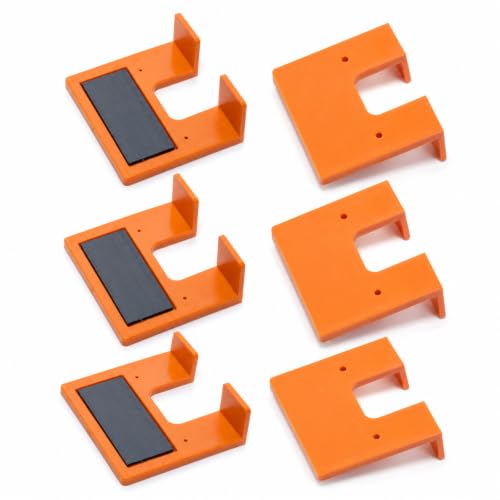
6PCS Cabinet Hinge Jig, Magnetic 2mm Gap Spacer Alignment Tool
Check price on Amazon
Imbot Cabinet Door Mounting Jig, Cabinet Door Installation Positioner
Check price on Amazon
Cabinet Door Installation Jig, 2-in-1 Mounting Tool, Red | with Adjustable Positioner, Aluminium Alloy Versatile Cabinet Door Positioning Tool for Most Cabinet Doors with 3 Drill Bits
Check price on AmazonFinal Thoughts on Cabinet Door Alignment
Aligning cabinet doors is a straightforward DIY project that can have a huge impact on the look and feel of your kitchen. With a little patience and the right tools, you can restore your cabinets to their former glory. Remember, if you encounter significant damage to the cabinet box or hinges, it may be time to consider a cabinet door swap guide or consult a professional. For more information on maintaining your cabinets, explore our cabinet care and maintenance hub.