


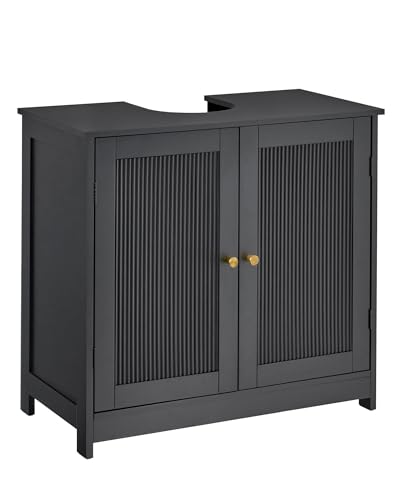


Understanding Bathroom Vanity Cabinets
Bathroom vanity cabinets are the foundation of your bathroom's functionality. They house your sink, provide countertop space, and offer essential storage for toiletries, towels, and cleaning supplies. Unlike kitchen cabinets, vanity cabinets must withstand high humidity, frequent temperature changes, and water splashes. This makes material selection and construction quality critical to their longevity.
When shopping for vanity cabinets, you'll encounter a wide range of options—from ready-to-assemble stock units to fully custom pieces. Understanding the differences will help you make an informed decision that balances your budget with your design goals. For a broader overview of cabinet categories, explore our cabinet types guide.
Types of Bathroom Vanity Cabinets
The type of vanity cabinet you choose determines not only how your bathroom looks but also how it functions on a daily basis. Here are the most common options:
1. Single-Sink Vanity Cabinets
Ideal for small bathrooms, powder rooms, or guest bathrooms, single-sink vanities typically range from 24 to 48 inches wide. They offer compact storage and a focused workspace. If you're working with limited space, consider pairing a single-sink vanity with space-saving cabinet solutions to maximize every inch.
2. Double-Sink Vanity Cabinets
Perfect for master bathrooms and shared spaces, double-sink vanities range from 60 to 72 inches or more. They provide ample countertop space and storage for two people, reducing morning congestion. Double vanities are available in various configurations, including symmetrical layouts and offset designs.
3. Floating Vanity Cabinets
Mounted directly to the wall without legs, floating vanities create a modern, open feel and make cleaning floors easier. They work particularly well in contemporary or minimalist designs, where clean lines and uncluttered spaces are prioritized.
4. Corner Vanity Cabinets
Corner vanities are designed to fit into the corner of a bathroom, making efficient use of otherwise wasted space. They are an excellent solution for oddly shaped bathrooms or rooms with limited wall space.
5. Freestanding vs. Built-In Vanities
Freestanding vanities are standalone units that can be moved or replaced easily, while built-in vanities are integrated into the bathroom's cabinetry system. Built-ins offer a more seamless look but require professional installation. For more on installation planning, see our cabinet placement guide.
Choosing the Right Materials for Bathroom Vanity Cabinets
Bathroom humidity is the enemy of poorly constructed cabinets. The materials you choose will determine how well your vanity withstands moisture, temperature fluctuations, and daily use. Here's what to consider:
Cabinet Box Materials
The cabinet box (the frame and sides) is the structural core. The most common materials include:
- Plywood: Highly resistant to moisture and warping, making it an excellent choice for bathrooms. Learn more in our plywood cabinet boxes guide.
- MDF (Medium-Density Fiberboard): Smooth and uniform, but can swell if exposed to water. Proper sealing is essential. See our MDF cabinet boxes guide for details.
- Particle Board: Budget-friendly but the least moisture-resistant. Not recommended for humid bathroom environments. Compare in our particle board cabinets guide.
- Solid Wood: Durable and beautiful, but requires proper sealing to prevent moisture damage. Explore our solid wood cabinets guide.
Door and Drawer Front Materials
Door and drawer fronts are the visible face of your vanity. Popular options include:
- Raised Panel Doors: Traditional and elegant. See our raised panel cabinet doors guide.
- Flat Panel Doors: Modern and easy to clean. Learn more in our flat panel cabinet doors guide.
- Thermofoil Doors: Moisture-resistant and affordable. Read our thermofoil cabinet doors guide.
- Glass Front Cabinets: Add visual interest and display items. Explore our glass front cabinets guide.
Wood Species for Vanity Cabinets
If you prefer natural wood, consider these species:
- Oak: Durable and grainy, with a rustic appeal.
- Maple: Smooth and uniform, ideal for painted finishes.
- Cherry: Rich, warm tones that deepen with age.
- Walnut: Luxurious dark wood with distinctive grain.
- Birch: Affordable and takes stain well.
Finishes and Hardware
The finish protects your cabinets and defines their style. Options range from painted and stained finishes to laminates and thermofoil. Don't forget the hardware—cabinet hardware like pulls and knobs can dramatically change the look of your vanity. For a quieter, more convenient experience, consider soft-close hinges and drawer slides.
Sizing and Layout: Finding the Perfect Fit
Before you buy, measure your bathroom space carefully. Consider the following dimensions:
- Width: Standard vanity widths range from 24 to 72 inches. Ensure there is adequate clearance on either side for doors to open and for people to move comfortably.
- Depth: Most vanities are 18 to 24 inches deep. Deeper vanities offer more countertop space but may feel bulky in small bathrooms.
- Height: Standard vanity height is 32 to 36 inches. Comfort height vanities (36 inches) are ergonomic for taller users.
For a complete reference, see our cabinet dimension chart. Proper appliance and fixture clearance is also crucial—make sure your vanity doesn't block electrical outlets or interfere with door swings.
Layout Considerations
Your vanity layout should support your daily routine. Consider drawer storage for small items, cabinet doors for larger items, and open shelving for towels or decorative pieces. Cabinet organizer inserts and drawer dividers can help keep everything tidy.
Installation and Maintenance Tips
Proper installation ensures your vanity cabinet remains stable and functional for years. While some homeowners opt for DIY installation, hiring a professional is recommended for built-in or heavy units. Our cabinet installation guide covers the basics, including wall anchors, shims, and leveling techniques.
Maintenance for Longevity
Bathroom vanities require regular care to combat humidity and water damage. Here are key maintenance tasks:
- Clean surfaces regularly with a damp cloth and mild soap.
- Wipe up spills immediately to prevent water damage.
- Use dehumidifiers or exhaust fans to control moisture levels.
- Inspect and repair hinges and drawer slides as needed.
- Apply wood polish or paint protection to maintain the finish.
If you notice signs of water damage, address it promptly. Our guide on flood damage restoration can help with severe cases.
Shopping Tips and Budgeting
Bathroom vanity cabinets come in a wide range of prices. Here's a general breakdown:
- Budget: $150–$500 for stock or ready-to-assemble units.
- Mid-Range: $500–$1,500 for semi-custom or higher-quality stock vanities.
- High-End: $1,500–$5,000+ for custom cabinetry with premium materials.
When shopping, consider the total cost of the project, including plumbing, countertop, faucet, and installation. Our first cabinet checklist and cabinet buying mistakes guides can help you avoid common pitfalls. For budget-friendly options, explore affordable cabinet picks or mid-range cabinet picks.
Where to Buy
You can find vanity cabinets at home improvement stores, online retailers, and specialty cabinet shops. If you're considering custom or semi-custom options, read our stock vs custom cabinets comparison. Secondhand cabinet buying can also yield great deals if you're willing to refinish or repaint.
Design Inspiration for Your Bathroom Vanity
Your vanity cabinet sets the tone for your bathroom's design. Here are some popular styles to consider:
- Modern: Clean lines, flat-panel doors, and minimalist hardware. See our modern cabinet guide for inspiration.
- Rustic: Natural wood finishes, raised panels, and warm tones. Explore our rustic cabinet guide.
- Shaker: Timeless and versatile, with a recessed center panel. Learn more in our Shaker cabinet guide.
- Industrial: Metal accents, exposed hardware, and dark finishes. See our industrial cabinet guide.
Don't forget lighting! Under-cabinet lighting or puck lights can highlight your vanity and improve functionality. For smart features, consider cabinets with USB ports or LED lighting.
Ready to Choose Your Bathroom Vanity Cabinet?
Selecting the right bathroom vanity cabinet is a balance of style, function, and durability. By understanding your space, choosing moisture-resistant materials, and planning your layout carefully, you can create a bathroom that is both beautiful and practical. Whether you're remodeling a small powder room or a spacious master bath, the perfect vanity is within reach.
For more guidance, explore our shopping and reviews hub or check out our cabinet purchase timeline to plan your project. Happy renovating!