
Butcher Block Countertops: The Complete Guide
Discover the warmth, durability, and timeless appeal of wood countertops. Learn how to choose, install, and care for the perfect butcher block surface for your kitchen or bathroom.
Why Butcher Block? Butcher block countertops offer a unique blend of natural beauty, functionality, and affordability. Whether you're a professional chef or a home cooking enthusiast, a wood countertop provides a warm, inviting surface that's gentle on knives and easy to maintain with proper care. This guide will walk you through everything you need to know before making a purchase.
What Exactly Is a Butcher Block Countertop?
Butcher block countertops are made from strips of solid wood that are glued together under high pressure to create a thick, durable surface. Unlike a single slab of wood, butcher block is constructed from many smaller pieces, which makes it more stable and resistant to warping. The wood strips can be arranged in different patterns—edge grain, end grain, or flat grain—each offering a distinct look and level of durability.
Originally designed for butchers to have a sturdy, hygienic surface for cutting meat, these countertops have become a popular choice for residential kitchens and bathrooms. They bring a natural, organic element to any space and pair beautifully with both modern and traditional white kitchen cabinets and base cabinets. If you're planning a full kitchen renovation, butcher block is a cost-effective alternative to stone or quartz that doesn't compromise on style.
Pros and Cons of Butcher Block Countertops
Before you commit to a wood countertop, it's important to weigh the advantages against the drawbacks. Here's an honest breakdown to help you decide if butcher block is right for your home.
✅ Advantages
- Warm and Inviting: Wood adds natural warmth that stone and synthetic surfaces can't match.
- Knife-Friendly: A soft surface that won't dull your knives like granite or glass.
- Affordable: Generally less expensive than quartz, marble, or granite.
- Easy to Repair: Scratches and stains can be sanded out and refinished.
- Versatile Design: Available in many wood species, stains, and edge profiles.
- DIY-Friendly: Can be cut and installed by confident DIYers.
❌ Disadvantages
- Requires Regular Maintenance: Needs oiling every 1–3 months to prevent drying and cracking.
- Susceptible to Water Damage: Standing water can cause warping and mold if not wiped up promptly.
- Can Scratch and Dent: While repairable, the surface is softer than stone.
- Heat Sensitivity: Hot pans can scorch the wood; always use trivets.
- Not Ideal for All Areas: Not recommended for bathrooms with poor ventilation or heavy water exposure.
Types of Butcher Block: Edge Grain, End Grain, and Flat Grain
Not all butcher block countertops are created equal. The construction method significantly affects durability, appearance, and price. Here are the three main types:
- Edge Grain: The most common and affordable type. Wood strips are glued together with the edge facing up. It's durable, stable, and has a linear, modern look. Ideal for most kitchens.
- End Grain: Wood blocks are arranged vertically, creating a checkerboard pattern. This is the most durable and knife-friendly option—it's what traditional butcher blocks use. However, it's the most expensive and requires more maintenance.
- Flat Grain: Also known as face grain, this is the least expensive but also the least durable. The wood strips are glued with the flat face up, which can show more seams and is more prone to scratching.
For a balance of cost and performance, edge grain is usually the best choice for residential kitchens. If you're a serious cook who uses a cutting board daily, end grain is worth the investment. For a butcher block countertop that will see light use, flat grain can be a budget-friendly option.
Choosing the Right Wood Species
The wood species you choose affects color, hardness, price, and maintenance requirements. Here are the most popular options for butcher block countertops:
Maple
The gold standard for butcher block. Hard, dense, and light-colored with a subtle grain.
$80–$150 per sq ftWalnut
Rich, dark brown wood that's naturally resistant to moisture. Softer than maple but stunning.
$100–$200 per sq ftOak
Durable and widely available with a pronounced grain. Red and white oak offer different tones.
$60–$120 per sq ftCherry
Warm, reddish-brown wood that darkens beautifully with age. Softer than maple.
$90–$170 per sq ftBirch
A cost-effective alternative to maple with similar hardness and a lighter, uniform appearance.
$50–$100 per sq ftTeak
Highly water-resistant and durable, ideal for humid environments. Premium price.
$150–$300 per sq ftFor a complete breakdown of wood types and finishes, explore our cabinet material hub. If you're coordinating your countertop with existing cabinetry, consider how the wood tone will complement your oak kitchen cabinets or walnut kitchen cabinets.
How Much Do Butcher Block Countertops Cost?
Butcher block is often more affordable than natural stone or engineered quartz, but prices vary widely based on wood species, thickness, and construction type. Here's a realistic cost breakdown:
| Type | Average Cost (per sq ft) | Best For |
|---|---|---|
| Flat Grain (Birch, Pine) | $30–$60 | Budget projects, rental properties |
| Edge Grain (Maple, Oak) | $60–$120 | Most residential kitchens |
| End Grain (Maple, Walnut) | $120–$250 | Serious cooks, high-end kitchens |
| Premium Exotic (Teak, Cherry) | $150–$300 | Luxury installations, humid climates |
For a standard 30-square-foot kitchen countertop, expect to pay between $1,800 and $3,600 for edge-grain maple, or $3,600 to $7,500 for end-grain. Installation costs vary by region; professional installation typically adds $500 to $1,500. If you're handy, you can install butcher block yourself and save significantly. For a complete kitchen update, pair your new countertop with ready-to-finish cabinets or unfinished cabinets for a cohesive, custom look.
Installation Tips for Butcher Block Countertops
Proper installation is crucial for the longevity of your butcher block. Here are the key steps and considerations:
- Acclimate the Wood: Let the countertop sit in your home for 2–3 days before installation to adjust to the humidity.
- Support Matters: Ensure your base cabinets are level and sturdy. Use shims if needed. For islands, add support legs every 24–36 inches.
- Allow for Expansion: Wood expands and contracts with humidity. Leave a 1/8-inch gap around the perimeter and at walls.
- Fasten Securely: Use screws from the underside of the cabinet, not nails. Pre-drill holes to prevent splitting.
- Cutouts: For sinks and cooktops, seal all exposed edges with a waterproof sealant immediately after cutting.
- Finish Both Sides: Apply the same finish to the underside as the top to prevent warping.
If you're installing a new sink with your countertop, explore our guides on stainless steel kitchen sinks and stainless steel sinks. For bathroom vanities, a butcher block top paired with a wood vanity creates a spa-like, natural aesthetic.
How to Care for and Maintain Butcher Block
With proper care, a butcher block countertop can last for decades. Here's a simple maintenance routine:
- Daily: Wipe with a damp cloth and mild soap. Dry immediately—never let water stand on the surface.
- Weekly: Apply a food-safe mineral oil or butcher block conditioner. Let it soak in for 15 minutes, then buff off the excess.
- Monthly: For heavily used surfaces, oil more frequently. A well-oiled countertop will look slightly darker and feel smooth.
- Deep Cleaning: Use a diluted vinegar solution or a commercial butcher block cleaner. Avoid harsh chemicals and abrasive scrubbers.
- Stain Removal: For stubborn stains, sprinkle baking soda on the spot, add a little water, and scrub gently with a soft cloth.
- Scratch Repair: Lightly sand with fine-grit sandpaper, then re-oil.
- Water Rings: If you see a white water ring, rub it with a little mayonnaise or mineral oil and let it sit overnight.
For a complete guide to maintaining all types of cabinets and countertops, visit our cabinet care and maintenance hub. If you're considering a refinishing project, our refinish cabinets guide can help you coordinate your countertop refresh with cabinet updates.
Ready to Upgrade Your Kitchen?
Browse our top-rated butcher block countertops and find the perfect fit for your space.
Shop Recommended CountertopsRecommended Butcher Block Countertops
⚠️ AFFILIATE DISCLOSURE: This website contains affiliate links. As an affiliate Associate, we earn from qualifying purchases. If you make a purchase through these links, we may receive a small commission at no additional cost to you. Read our full affiliate policy.

Unfinished Birch Butcher Block Countertop - 60" x 25" x 1.5" Thick | Solid birch slab, smooth-sanded for oil, stain, sealant or paint; for kitchen islands, desks, laundry tops and workbenches
Check price on Amazon
Unfinished Birch Butcher Block Countertop - Solid Wood Cutting Board for Kitchen Island, DIY Desk & Washer Dryer Top, Customizable Surface, 72" x 25" x 1.5" Thick
Check price on Amazon
Howizz Butcher Block Countertop 8ft x 25 x 1.5 Inches, Unfinished Solid Hevea Wood Table Top, Wood Countertop for DIY Desk Top, Workbench Top, Kitchen Countertop
Check price on Amazon
Butcher Block Countertop, 48 x 25 in, Finished Walnut-Stained Hevea Wood | 1.2 in thick solid hevea butcher block countertop with a smooth walnut-stained finish for islands, desks and cabinets.
Check price on Amazon
6FT Butcher Block Countertop – 72″ x 25″ x 1.5″ Solid Birch Wood Table Top | Unfinished Hardwood Slab for Kitchen Island, Washer Dryer Top, DIY Office Desk, Workbench & Dining Table
Check price on Amazon
AllForWood 36''L x 25''W x 1.5''Th Hevea Solid Wood Butcher Block Countertop, Butcher Block Table Top for DIY Washer Dryer/Island/Kitchen Countertop (Unfinished)
Check price on Amazon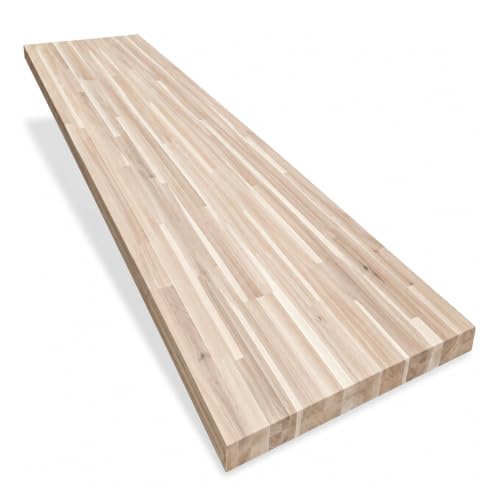
BingLTD 12FT Acacia Butcher Block Countertop (144" x 25" x 1.5"), Unfinished Solid Wood Table Top for Commercial Bar Top, Long Countertop, Studio Desk
Check price on Amazon
JubiNatural Finished Walnut Butcher Block Countertop, 48 x 25 x 1.5 In | Spacious solid walnut top with a sealed finish for kitchen islands, desks, dining tables, coffee bars and custom furniture
Check price on AmazonFrequently Asked Questions About Butcher Block Countertops
Final Thoughts: Is Butcher Block Right for You?
Butcher block countertops are an excellent choice for homeowners who value natural beauty, warmth, and a hands-on approach to maintenance. They're affordable, versatile, and can be customized to fit any design aesthetic—from rustic farmhouse to sleek modern. However, they do require regular oiling and careful water management.
If you're willing to invest a little time in care, a butcher block countertop will reward you with years of reliable service and timeless appeal. Whether you're updating a small kitchen or designing a gourmet cooking space, this natural surface can be the heart of your home. Explore our other countertop and cabinet guides, including porcelain countertops and bathroom cabinets, to complete your renovation vision.