Refinish Cabinets: A Complete DIY Guide to Restore & Renew
Transform your worn, dated, or faded cabinets into stunning centerpieces. Our comprehensive guide walks you through every step of the refinishing process—from prep and sanding to staining, painting, and sealing—so you can achieve professional results without the professional price tag.
Start Your Refinishing Project
Why Refinish Instead of Replace? Cabinet refinishing costs a fraction of full replacement—typically $800–$2,500 for a standard kitchen versus $5,000+ for new cabinets. You preserve your existing layout, reduce landfill waste, and can complete the project in a weekend or two. Whether your cabinets are wood, laminate, or painted, refinishing offers a cost-effective path to a refreshed kitchen or bathroom. For those considering new doors instead, explore our guide to cabinet door fronts to compare options.
Why Refinish Your Cabinets?
Refinishing is more than a cosmetic fix—it's a strategic home improvement that balances budget, sustainability, and style. Here's why homeowners choose refinishing over replacement:
💰 Cost Savings
Refinishing typically costs 50–70% less than replacing cabinets. You keep the existing boxes and structure, investing only in materials and your time. A typical DIY refinishing project runs $800–$2,500, while professional refinishing may cost $3,000–$6,000.
🌿 Eco-Friendly
By refinishing, you avoid sending perfectly good cabinet boxes to landfills. Cabinet replacement generates significant waste—refinishing is a sustainable choice that reduces your environmental footprint while preserving quality solid wood construction.
🎨 Customizable Style
Refinishing lets you change the color, sheen, and even the texture of your cabinets. Go from dated honey oak to modern matte black, or from worn white paint to a rich walnut stain. You're not limited to what's available in stores.
⏱️ Faster Turnaround
Unlike full replacement—which can take weeks or months—refinishing can be completed in a few days. Your kitchen remains functional throughout most of the process, and you avoid the disruption of a major renovation. For a complete kitchen overhaul, compare with a full kitchen renovation.
Step-by-Step Cabinet Refinishing Guide
Follow these steps for a durable, professional-looking finish. Each step is critical—skipping or rushing prep work is the leading cause of premature peeling and uneven results.
1
Prep & Remove Doors
Remove all cabinet doors, drawers, and hardware. Label each piece with painter's tape so you know exactly where it goes. Clean all surfaces thoroughly with a degreaser to remove grease, grime, and cooking residue—especially important in kitchens. For a detailed guide on cleaning, see our cabinet surface cleaning article.
2
Sand & Repair
Lightly sand all surfaces with 120–150 grit sandpaper to create a "tooth" for the new finish to grip. Repair any cracks, dents, or holes with wood filler. For deep scratches, use a fine-grit sanding sponge. If your cabinets have a glossy finish, sanding is non-negotiable.
3
Prime
Apply a high-quality bonding primer designed for cabinets. This step is crucial for adhesion and blocking stains or wood tannins. For dark cabinets you plan to paint light, use a stain-blocking primer. Let it dry completely before sanding lightly with 220 grit.
4
Stain or Paint
If staining, apply wood stain with a brush or rag, wiping off excess to achieve your desired color. If painting, apply two thin coats of cabinet-grade paint (alkyd or acrylic) using a brush for edges and a foam roller for flat surfaces. Thin coats prevent drips and ensure a smooth finish.
5
Seal & Protect
Apply a protective topcoat—polyurethane, lacquer, or a clear sealer—to shield your finish from moisture, scratches, and daily wear. For kitchens and bathrooms, a water-based polyurethane is a great choice for durability without yellowing. Apply 2–3 thin coats, sanding lightly between coats.
6
Reassemble & Enjoy
Once the finish is fully cured (follow manufacturer's instructions—usually 24–72 hours), reattach doors and drawers. Install new or cleaned hardware. Consider upgrading to soft-close hinges or modern pulls for a finishing touch. For hardware options, see our cabinet hardware guide.
Recommended Refinishing Products
⚠️ AFFILIATE DISCLOSURE: This website contains affiliate links. As an affiliate Associate, we earn from qualifying purchases. If you make a purchase through these links, we may receive a small commission at no additional cost to you.
Read our full affiliate policy.
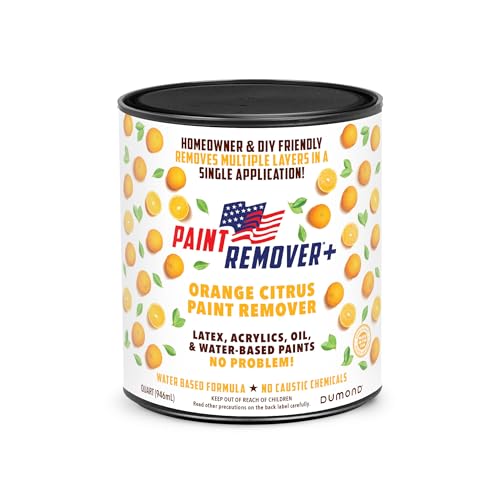
Dumond Paint Remover Plus Orange Citrus, DIY Friendly, Refinish Furniture, Cabinets, Decks, Antiques, Masonry, for Oil, Latex, Acrylic, Water-Based Paints, Varnishes & Stains, Citrus Scent, 1 Quart
Check price on Amazon
⚠️ Note: The purchase links above are affiliate links. As an Amazon Associate, we earn from qualifying purchases at no additional cost to you.

Dumond Paint Remover Plus Orange Citrus, DIY Friendly, Refinish Furniture, Cabinets, Decks, Antiques, Masonry, for Oil, Latex, Acrylic, Water-Based Paints, Varnishes, Stains, Citrus Scent, 2 Quarts
Check price on Amazon
⚠️ Note: The purchase links above are affiliate links. As an Amazon Associate, we earn from qualifying purchases at no additional cost to you.

Dumond Paint Remover Plus Orange Citrus, Do It Yourself, Refinish Furniture, Cabinets, Decks, Antiques, Masonry, for Oil, Latex, Acrylic, Water-Based Paints, Varnishes & Stains, Citrus Scent, Gallon
Check price on Amazon
⚠️ Note: The purchase links above are affiliate links. As an Amazon Associate, we earn from qualifying purchases at no additional cost to you.

Cabinet Hardware Spray Paint, Quick-Dry Refinish for Knobs & Hinges
Check price on Amazon
⚠️ Note: The purchase links above are affiliate links. As an Amazon Associate, we earn from qualifying purchases at no additional cost to you.

YENHOME Dark Walnut Wood Grain Contact Paper 17.5x23ft Peel and Stick Countertop Vinyl Wrap Waterproof Removable Self Adhesive Wallpaper for Full Cabinet Kitchen Island Vanity Apartment Refinish
Check price on Amazon
⚠️ Note: The purchase links above are affiliate links. As an Amazon Associate, we earn from qualifying purchases at no additional cost to you.

Cabinet Hardware Spray Paint, Quick-Dry Refinish for Knobs & Hinges
Check price on Amazon
⚠️ Note: The purchase links above are affiliate links. As an Amazon Associate, we earn from qualifying purchases at no additional cost to you.

The Complete Guide to Cabinet Refinishing (Complete Home Upgrade Series)
Check price on Amazon
⚠️ Note: The purchase links above are affiliate links. As an Amazon Associate, we earn from qualifying purchases at no additional cost to you.

Understanding Wood Finishing, 3rd Revised Edition: How to Select and Apply the Right Finish (Fox Chapel Publishing) Practical Guide with 350 Photos and 40 Reference Tables for Furniture and Cabinets
Check price on Amazon
⚠️ Note: The purchase links above are affiliate links. As an Amazon Associate, we earn from qualifying purchases at no additional cost to you.
Refinishing vs. Replacing: Pros & Cons
Before you commit, weigh the benefits and drawbacks of refinishing against full cabinet replacement.
✅ Pros of Refinishing
- Significant cost savings (50–70% less)
- Eco-friendly—reduces waste
- Fast turnaround—days not weeks
- Preserves existing layout and storage
- Endless color and finish options
- Increases home value with updated look
❌ Cons of Refinishing
- Doesn't fix structural damage or poor layout
- Labor-intensive—requires patience
- DIY results can vary without proper prep
- Not ideal for severely warped or water-damaged cabinets
- Some finishes may not adhere to certain materials
- Professional refinishing can approach replacement costs
Materials & Tools You'll Need
- Sanding tools: Orbital sander, sanding blocks, 120, 150, and 220-grit sandpaper
- Cleaners: Degreaser, TSP (trisodium phosphate) substitute, or a cabinet-safe cleaner
- Primer: High-quality bonding primer (oil-based or shellac-based for stain blocking)
- Finish: Cabinet-grade paint or wood stain (alkyd, acrylic, or oil-based)
- Topcoat: Water-based polyurethane, lacquer, or clear sealer
- Application tools: High-quality brushes (synthetic for water-based, natural for oil-based), foam rollers, paint trays
- Protection: Drop cloths, painter's tape, nitrile gloves, respirator mask
- Hardware: Screwdriver, drill, new hinges or pulls (optional)
Refinishing Cost Breakdown
Understanding the costs helps you budget accurately. Here's a realistic breakdown for a standard 10x10 kitchen with 20 cabinet doors and 10 drawers:
| Item |
DIY Cost |
Professional Cost |
| Primer & Paint/Stain |
$150–$400 |
$600–$1,200 |
| Topcoat & Sealant |
$50–$150 |
$200–$400 |
| Sanding & Prep Supplies |
$50–$100 |
Included |
| Tools (if not owned) |
$100–$300 |
Included |
| Labor |
$0 (your time) |
$2,000–$4,000 |
| Total |
$800–$2,500 |
$3,000–$6,000 |
Ready to Transform Your Cabinets?
Browse our recommended refinishing products and get everything you need delivered to your door. Start your cabinet makeover today and enjoy a refreshed kitchen for years to come.
Shop Refinishing Products
Frequently Asked Questions About Refinishing Cabinets
How long does it take to refinish cabinets?
A typical DIY refinishing project takes 2–4 days of active work, spread over a week or two to allow for proper drying and curing between coats. Professional refinishers may complete the job in 3–5 days. Factors include cabinet size, finish type, humidity, and how many coats you apply.
Can I refinish cabinets without sanding?
Yes, there are "no-sand" refinishing products like liquid sandpaper or deglossers, but they're not as durable as proper sanding. For best results, especially on high-traffic kitchen cabinets, sanding is strongly recommended. If you skip sanding, use a high-adhesion bonding primer to compensate.
What's the best finish for kitchen cabinets?
For kitchens, a water-based polyurethane topcoat is ideal—it's durable, non-yellowing, and easy to clean. For a more traditional look, oil-based polyurethane offers a warm amber tone but may yellow over time. Lacquer provides a smooth, factory-like finish but requires professional application.
Can I refinish laminate cabinets?
Yes, but laminate requires extra care. Clean thoroughly, sand lightly to dull the surface, and use a bonding primer specifically designed for glossy or non-porous surfaces. Avoid heavy sanding that can damage the laminate. For more on cabinet materials, see our
cabinet material hub.
How much does it cost to refinish cabinets professionally?
Professional cabinet refinishing typically costs $3,000–$6,000 for a standard kitchen, depending on cabinet size, finish type, and your location. This is still significantly less than full replacement, which can run $8,000–$20,000 or more. For a full comparison, see our guide to
stock vs custom cabinets.
Do I need to remove cabinet doors to refinish them?
Yes, removing doors and drawers is essential for a professional finish. It allows you to access all edges, spray or paint evenly, and avoid drips and brush marks. Label each piece so reassembly is straightforward. While doors are off, it's a great time to upgrade hinges or add soft-close mechanisms.
How long before I can use my cabinets after refinishing?
Wait at least 24–72 hours before reassembling doors and using cabinets normally. The finish needs time to cure fully—rushing can cause fingerprints, scratches, or sticking. In humid conditions, allow extra time. Full cure may take up to a week; avoid heavy use during this period.
Related Cabinet Guides
Cabinet Surface Cleaning: A Complete Guide
Proper cleaning is the first step to any successful refinishing project. Learn how to remove grease, grime, and buildup without damaging your cabinets.
Read More →
Cabinet Repainting Guide: Step-by-Step
If painting is more your speed, this guide covers everything from choosing the right paint to achieving a flawless, factory-smooth finish.
Read More →
Cabinet Hardware Guide: Pulls, Knobs & Hinges
Upgrading hardware is a quick way to refresh your cabinets. Explore styles, finishes, and installation tips for a polished look.
Read More →
Disclaimer
The information provided on CabinetLoop is for educational and informational purposes only. We are not professional interior designers or cabinet technicians, and our content should not replace professional advice. Always consult with a qualified expert regarding cabinet compatibility, safety, or technical concerns. Some content may use AI assistance. Always check product warranties and safety standards before purchasing. If you do not agree, please do not use this website.
Read the full disclaimer.
