
Woodworking Cabinets: The Complete Guide
From wood selection and joinery techniques to finishing and installation, master the art of building and buying woodworking cabinets for your kitchen, bathroom, and workshop.
START EXPLORINGWhy Woodworking Cabinets? Wood cabinets offer unmatched warmth, durability, and customization. Whether you're a DIY enthusiast building from scratch or a homeowner evaluating custom cabinetry, understanding the fundamentals of woodworking cabinets helps you make smarter decisions, save money, and achieve a truly personalized space.
What Are Woodworking Cabinets?
Woodworking cabinets are storage units constructed from solid wood, plywood, or engineered wood products using traditional or modern woodworking techniques. Unlike ready-to-assemble (RTA) cabinets that rely heavily on particle board and cam-lock fittings, woodworking cabinets emphasize joinery strength, material quality, and craftsmanship.
These cabinets can be built for virtually any room — kitchens, bathrooms, workshops, garages, and living areas. The choice of wood species, joinery method, and finish dramatically affects the final look, durability, and cost. If you're exploring pre-built options, our guide to wood kitchen cabinets covers the most popular styles and configurations available today.
Choosing the Right Wood Species
The wood you choose is the single most important decision in any cabinet project. Each species brings distinct characteristics in terms of hardness, grain pattern, color, workability, and cost. Here are the most common options for woodworking cabinets:
| Wood Species | Janka Hardness | Best For | Typical Cost |
|---|---|---|---|
| Oak | 1,290 – 1,360 lbf | Heavy-use kitchens, traditional styles | $180 – $400 per linear ft |
| Maple | 1,450 lbf | Painted cabinets, modern designs | $200 – $450 per linear ft |
| Cherry | 950 lbf | High-end traditional, aging patina | $250 – $550 per linear ft |
| Walnut | 1,010 lbf | Luxury kitchens, rich dark tones | $300 – $650 per linear ft |
| Birch | 1,260 lbf | Budget-friendly, paint-grade | $150 – $350 per linear ft |
| Pine | 420 – 680 lbf | Rustic, farmhouse, painted projects | $100 – $280 per linear ft |
For a deeper dive into specific species, explore our guides on white oak kitchen cabinets, walnut kitchen cabinets, and teak kitchen cabinets. If you're leaning toward a specific aesthetic, shaker-style cabinets work beautifully with almost any hardwood.
Cabinet Box Construction: Plywood vs. Solid Wood vs. MDF
The cabinet box (or carcass) is the structural framework that holds everything together. For woodworking cabinets, you have three primary options:
Plywood Cabinet Boxes
The industry standard for quality cabinets. Plywood offers excellent strength-to-weight ratio, dimensional stability, and screw-holding power. Look for ¾-inch plywood with at least 7 plies for cabinet boxes. Learn more in our plywood cabinet boxes guide.
Solid Wood Boxes
Premium choice for heirloom-quality furniture. Solid wood boxes are extremely durable but prone to seasonal movement and significantly more expensive. Best reserved for exposed cabinet ends and face frames.
MDF Cabinet Boxes
Medium-density fiberboard offers a smooth, uniform surface ideal for painted cabinets. It's heavy, lacks grain, and has lower screw-holding strength than plywood. Use MDF for door panels rather than structural boxes.
Essential Joinery Techniques for Cabinetmakers
Strong joinery is what separates professional-grade woodworking cabinets from flimsy box-store units. Here are the core techniques every cabinetmaker should know:
- Dado and Rabbet Joints: The workhorses of cabinet construction. Dados create shelves and dividers that won't sag, while rabbets form strong corner joints for cabinet boxes.
- Pocket Hole Joinery: Fast, strong, and beginner-friendly. Pocket screws are ideal for face frames and cabinet boxes where the joint won't be visible.
- Dovetail Joints: The gold standard for drawer boxes. Hand-cut or router-jig dovetails provide unmatched strength and a beautiful mechanical lock.
- Biscuit and Domino Joints: Floating tenon systems that align and reinforce edge-to-edge and corner joints. Excellent for face frames and door frames.
- Mortise and Tenon: Traditional, incredibly strong joint used for face frames and door construction. Requires precision but lasts generations.
If you're building drawers, pair quality joinery with reliable hardware. Our pull drawers guide covers the best drawer slide options for woodworking cabinets.
Face Frames and Door Styles
Cabinet doors define the visual character of your woodworking cabinets. The two main construction methods are framed and frameless (European-style). Framed cabinets use a face frame to add rigidity and a traditional look, while frameless cabinets maximize interior space and offer a sleek, modern appearance.
Door styles range from flat-panel and shaker to raised-panel and beadboard. For inspiration, browse our door fronts collection. If you're drawn to clean lines, modern kitchen cupboards typically feature slab or shaker doors. For a more traditional feel, arched cabinets add architectural interest.
Finishing: Stain, Paint, or Natural?
The finish protects your cabinets and defines their final appearance. The three main approaches are:
- Stain + Clear Coat: Enhances natural grain and color. Oil-based stains penetrate deeply, while gel stains offer more control on blotch-prone woods like cherry and pine. Always follow with polyurethane, lacquer, or hardwax oil for protection.
- Paint: Provides opaque, uniform color. Modern waterborne alkyds and acrylic enamels offer excellent durability and low VOCs. Best for maple, birch, and MDF.
- Natural / Clear Finish: Showcases the raw beauty of the wood. Tung oil, Danish oil, and water-based polyurethane preserve the natural tone while adding protection.
Regular maintenance extends the life of any finish. Our wood polishing guide walks you through the best techniques and products. For comprehensive care, see the cabinet care and maintenance hub.
DIY vs. Custom vs. Ready-to-Assemble
Not everyone wants to build cabinets from scratch. Here's how the three main paths compare:
DIY Woodworking Cabinets
Build your own for maximum control and cost savings. Budget $150–$400 per cabinet in materials, plus $500–$2,000 in tools if you're starting fresh. Best for patient woodworkers with a dedicated workspace. Start with our unfinished cabinets guide if you want a head start.
Custom Woodworking Cabinets
Hire a professional cabinetmaker for a perfect fit and premium materials. Expect $400–$1,200+ per linear foot installed. Ideal for irregular spaces and high-end kitchens. Compare options with our cabinet shopping and reviews hub.
Ready-to-Assemble (RTA)
Purchase pre-cut cabinet parts and assemble them yourself. Saves money while still giving you the satisfaction of hands-on work. Quality varies widely — see our ready-to-assemble cabinets guide for what to look for.
Installation Essentials for Woodworking Cabinets
Proper installation ensures your cabinets function flawlessly for decades. Key steps include:
- Locate Studs: Use a stud finder and mark stud centers. Cabinets must be anchored into studs, not just drywall.
- Establish a Level Line: Find the highest point of the floor and mark a level line around the entire room. This is your reference for upper and lower cabinet placement.
- Install Upper Cabinets First: Secure a ledger board to the wall to support uppers while you screw them into studs.
- Shim and Level: Use shims to correct wall irregularities. Our cabinet installation guide covers shimming in detail.
- Connect and Adjust Doors: After installation, adjust hinges and drawer slides for smooth operation. See our installation and accessories hub for hardware recommendations.
Before you begin, double-check your measurements against a cabinet dimension chart to ensure proper clearances for appliances, countertops, and traffic flow.
Where to Use Woodworking Cabinets in Your Home
Woodworking cabinets aren't just for kitchens. Their warmth and durability make them ideal for:
- Bathrooms: A floating bathroom vanity or black vanity built from moisture-resistant wood adds spa-like luxury. For smaller spaces, a 24-inch bathroom vanity or small bathroom sink vanity maximizes function. Complete the look with a lighted bathroom mirror.
- Living Areas: A TV stand with storage, hutch cabinet, or china cabinet showcases woodworking craftsmanship while organizing your space. A fireplace television stand or white entertainment center with fireplace becomes a stunning focal point.
- Entryways: A shoe cabinet entryway or entryway shoe cabinet keeps clutter at bay. Pair with floating shelves for keys and decor.
- Garages and Workshops: Garage cabinets and garage organizers bring order to tools and supplies. Build them from plywood and finish with durable paint.
- Kitchens: From white kitchen units to black kitchen cupboards, woodworking cabinets define the kitchen's style. Add a pantry with cabinets or breakfast bar for extra function.
Cost Expectations for Woodworking Cabinets
Budgeting for woodworking cabinets depends on whether you're building or buying, and the materials you choose:
- DIY Materials Only: $150 – $400 per cabinet (plywood, hardwood face frames, doors, hardware, finish)
- RTA Wood Cabinets: $200 – $600 per cabinet
- Custom Built & Installed: $400 – $1,200+ per linear foot
- Premium Hardwood (Walnut, Cherry): $500 – $1,500+ per linear foot
Always factor in the cost of quality hardware — hinges, drawer slides, and pulls. Cheap hardware undermines even the best woodworking cabinets. Our cabinet hardware guide helps you choose wisely. Also review warranty information if purchasing pre-built components.
Recommended Woodworking Cabinets & Tools
⚠️ AFFILIATE DISCLOSURE: This website contains affiliate links. As an affiliate Associate, we earn from qualifying purchases. If you make a purchase through these links, we may receive a small commission at no additional cost to you. Read our full affiliate policy.
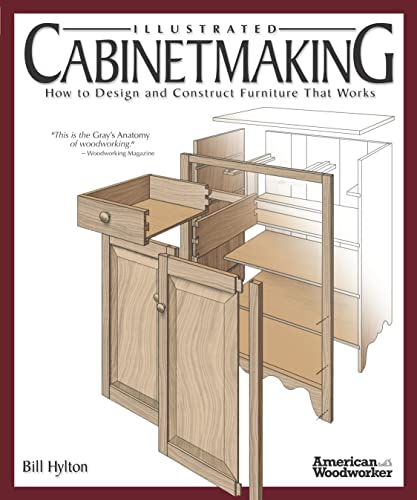
Illustrated Cabinetmaking: How to Design and Construct Furniture That Works - Over 1300 Drawings & Diagrams for Drawers, Tables, Beds, Bookcases, Cabinets, Joints & Subassemblies
Check price on Amazon
Bob Lang's The Complete Kitchen Cabinetmaker, Revised Edition: Shop Drawings and Professional Methods for Designing and Constructing Every Kind of Kitchen and Built-In Cabinet (Fox Chapel Publishing)
Check price on Amazon
Bookcases, Cabinets & Built-Ins: The Maker's Guide to Custom Storage
Check price on Amazon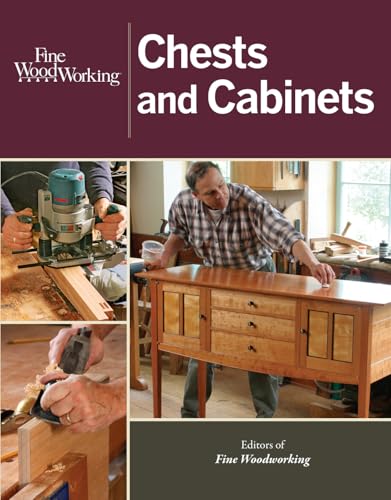
Fine Woodworking Chests and Cabinets
Check price on Amazon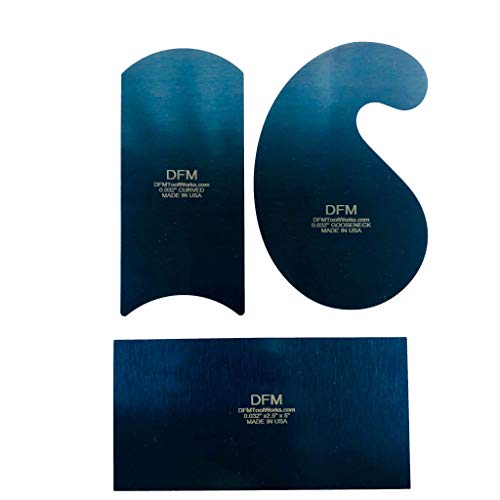
DFM Tool Works Blue Curved Cabinet Scraper Cards - Cabinet Scraper for Woodworking, Card Scraper Tool for Precision and Fine Finishes - Ideal Tool for Woodworking Projects - Made in USA (Set of 3)
Check price on Amazon
King&Charles Cabinet Hardware Jig & Automatic Center Punch Set. | Avoid Jitter Caused by Direct Drilling. Cabinet Handle Jig, Use for Handles and Pulls on Drawers and Doors
Check price on Amazon
Yakamoz 35mm Concealed Hinge Jig Kit, 8mm Round Shank Carbide Forstner Bit | Adjustable 15-40mm Depth Stop, Quick Center Location, Door Hinge Hole Jig Template for Cabinet Door Woodworking
Check price on Amazon
DIYLOG Corner Clamp for Woodworking, 90 Degree Corner Clamp, 4 Pack 5.5"x 5.5" Aluminum Alloy Right Angle Woodworking Tools, Positioning Squares for Picture Frame, Box, Cabinets, Drawers
Check price on AmazonCommon Woodworking Cabinet Mistakes to Avoid
- Skipping the Plywood: Using particle board or MDF for cabinet boxes in damp areas leads to swelling and failure. Always use plywood for structural components.
- Ignoring Wood Movement: Solid wood expands and contracts with humidity. Allow for movement in panels and avoid gluing cross-grain joints.
- Underspending on Hardware: Cheap hinges and slides fail quickly. Invest in soft-close, full-extension hardware from reputable brands.
- Rushing the Finish: Proper sanding, sealing, and curing take time. A rushed finish leads to peeling, blotching, and poor durability.
- Not Checking Dimensions: Always verify cabinet dimensions against your space and appliance clearances. Use our cabinet dimension chart as a reference.
For more pitfalls, see our cabinet buying mistakes guide.
Final Thoughts
Woodworking cabinets represent the perfect marriage of craftsmanship and function. Whether you're building a set of shop cabinets from plywood or investing in custom walnut kitchen cabinets, the principles remain the same: choose quality materials, use sound joinery, finish carefully, and install properly.
Ready to go deeper? Explore our cabinet starter hub for beginners, or dive into specific topics like industrial kitchen cabinets, blue kitchen cabinets, and two-tone kitchen cupboards for design inspiration. For remodeling guidance, our kitchen remodel contractors page helps you find the right professionals.
Whichever path you choose, the knowledge you've gained here will help you make confident decisions and achieve beautiful, lasting results with woodworking cabinets.