
Vintage Corner Cabinet: The Complete Guide to Timeless Corner Storage
Explore the charm of vintage corner cabinets. From Victorian antiques to mid-century finds, learn how to choose, restore, and style a corner cabinet that adds character and function to your home.
A vintage corner cabinet is more than just a piece of furniture; it is a slice of history that brings warmth, character, and intelligent storage to any room. Unlike modern, mass-produced units, vintage corner cabinets were often handcrafted with solid wood, intricate details, and a level of craftsmanship that is hard to find today. Whether you are looking to fill an awkward corner in your dining room, add a touch of nostalgia to your kitchen, or create a focal point in your living space, a vintage corner cabinet offers a unique blend of form and function. This guide will walk you through everything you need to know, from identifying styles and materials to assessing condition and integrating one into your modern home.
Why Choose a Vintage Corner Cabinet?
Opting for a vintage piece over a new one comes with distinct advantages. First and foremost is unmatched character. Each scratch, patina, and subtle imperfection tells a story, adding a depth and soul to your space that new furniture often lacks. Secondly, vintage cabinets are typically built from solid, aged wood like oak, mahogany, or walnut, which is denser and more durable than many modern engineered woods. This means a well-cared-for antique can last for generations.
Furthermore, choosing vintage is a sustainable choice. By giving a beautiful piece a second life, you are reducing waste and opting for eco-friendly home decor. The unique designs, from glass-front hutch tops to intricate carvings, can serve as a stunning focal point, effortlessly elevating your interior design. For those looking to create a cohesive retro aesthetic, pairing a vintage corner cabinet with other vintage-style appliances or an antique kitchen cupboard can create a truly authentic look.
Popular Styles of Vintage Corner Cabinets
The term "vintage" encompasses a wide range of eras and design philosophies. Understanding these styles will help you identify what you love and what will fit your home's architecture.
Victorian & Edwardian (Late 1800s – Early 1900s)
These cabinets are characterized by ornate details, including carvings, turned legs, and decorative moldings. They often feature a mix of open shelving and closed cabinets, sometimes with a mirrored back or a marble top. A vintage mirrored armoire shares a similar opulent aesthetic. These pieces are typically large and imposing, making a grand statement in a formal dining room or hallway.
Art Deco (1920s – 1930s)
Art Deco corner cabinets are known for their sleek, geometric lines and exotic wood veneers. They often feature stepped silhouettes, glass doors with chrome or brass accents, and a more streamlined, glamorous look compared to their Victorian predecessors. Look for bold patterns and a sense of luxury.
Mid-Century Modern (1940s – 1960s)
Clean lines, organic curves, and a focus on functionality define mid-century modern pieces. These cabinets often feature tapered legs, sliding doors, and a minimalist approach to ornamentation. They are perfect for adding a touch of retro sophistication to a contemporary space. A retro filing cabinet often embodies a similar design ethos.
Farmhouse & Primitive (Late 1800s – Early 1900s)
These are the sturdy, utilitarian workhorses of the past. Often made from pine or oak, they feature simple construction, hand-forged hardware, and a distressed finish. A antique corner cabinet from this era is perfect for creating a cozy, rustic atmosphere in a kitchen or farmhouse-style home. They are less about refinement and more about honest, practical design.
Materials and Craftsmanship to Look For
The quality of a vintage cabinet is largely determined by its materials and construction. Here is what to examine:
- Solid Wood: Look for solid oak, mahogany, walnut, or pine. Check the back panels and drawer bottoms; if they are solid wood rather than thin plywood or cardboard, it is a sign of higher quality. You can learn more about different wood types in our guide to antique kitchen cabinets.
- Joinery: High-quality vintage furniture uses techniques like dovetail joints on drawers and mortise-and-tenon joints on frames. These are far superior to simple nails or screws. Inspect the joints for tightness and craftsmanship.
- Hardware: Original hardware, such as brass pulls, porcelain knobs, or hand-forged iron hinges, adds significant value and authenticity. Replacing them can detract from the piece's character.
- Glass: Wavy, imperfect glass in doors can indicate age and is often desirable. Check for cracks or chips, which can be expensive to replace.
Where to Place Your Vintage Corner Cabinet
One of the greatest advantages of a corner cabinet is its ability to utilize otherwise dead space. Here are a few ideal placements:
- Dining Room: A large china cabinet or hutch is a classic choice. Use it to display fine china, glassware, and linens. For smaller spaces, a small china cabinet can provide elegant storage without overwhelming the room.
- Kitchen: A vintage corner cabinet can serve as a pantry, a coffee station, or a display for cookbooks and decorative items. It can be a fantastic alternative to a small pantry if you need more character.
- Living Room: Use it as a display case for collectibles, a home bar, or a media console. A wall-mounted curio cabinet can achieve a similar effect with a smaller footprint.
- Bathroom: A small, water-resistant vintage cabinet can add a touch of luxury as a vanity or towel storage unit. This is a great solution for small bathroom storage.
Assessing Condition and Restoration Potential
Before buying, inspect the cabinet thoroughly. Look for structural damage like wobbling, loose joints, or water damage. Surface issues like scratches, dents, and worn finish are common and can often be restored. However, be wary of extensive wood rot or warping.
Restoration can be a rewarding DIY project. Simple steps include cleaning with a gentle wood cleaner, applying a furniture polish or wax, and tightening screws. For more significant repairs, like re-gluing joints or refinishing, you may want to consult a professional. A fresh coat of paint, perhaps in a bold color like those used for black cabinet paint, can also completely transform a piece.
Styling Your Vintage Corner Cabinet
Once you have your cabinet, the fun begins. Here are some styling ideas:
- Create a Vignette: Group items in odd numbers (e.g., three vases of varying heights) for visual interest. Mix textures like ceramic, glass, and metal.
- Use it as a Display: Showcase a collection, such as doll display cases or shot glass display cases.
- Add Lighting: Place a small lamp inside or use battery-operated puck lights to highlight the contents and create a warm ambiance.
- Mix Old and New: Don't be afraid to pair your antique cabinet with modern decor. The contrast can be striking and prevent the room from looking like a museum.
Where to Find Your Vintage Corner Cabinet
Finding the perfect piece requires a bit of a hunt. Here are the best places to look:
- Antique Shops and Flea Markets: The most authentic sources for one-of-a-kind pieces.
- Online Marketplaces: Sites like eBay, Etsy, and Facebook Marketplace offer a vast selection, but you must be diligent about inspecting photos and asking questions.
- Estate Sales: Often the best way to find high-quality, well-preserved furniture at reasonable prices.
- Consignment Stores: These shops curate a selection of vintage and antique items, often in better condition than flea market finds.
If you are looking for a more contemporary take on corner storage, exploring options for ideas for corner kitchen cabinets can provide modern solutions.
Recommended Vintage Corner Cabinets
⚠️ AFFILIATE DISCLOSURE: This website contains affiliate links. As an affiliate Associate, we earn from qualifying purchases. If you make a purchase through these links, we may receive a small commission at no additional cost to you. Read our full affiliate policy.

HOOBRO Corner Cabinet with Sliding Doors, 66.1” Tall Corner Storage Cabinet | Mid Century Corner Cabinet with Door and Shelves for Bathroom, Kitchen, Living Room, 5-Tier Corner Display Shelf, Walnut
Check price on Amazon
Corner Storage Cabinet, 31.5" Floral Accent Cabinet, Small Spaces, Walnut | 3D Floral Embossed Doors, 3-Tier Corner Cabinet with Adjustable Shelf, Soft-Close Hinges, Solid Wood Legs, Anti-Tip Kit
Check price on Amazon
HULALA HOME Transitional Corner Storage Cabinet with 2 Doors, Walunt | Adjustable Interior Shelf, Rear Cable Access, Faux Drawer Design, Wood Grain Finish, Turned Legs, Vintage-Style Knobs
Check price on Amazon
53'' Corner Cabinet with Glass Doors, Black Corner Shelf for Living Room | Tempered Glass Doors, Painted Finish, Adjustable Shelves, Vintage Roman Column Legs, Safe Anti-Tipping Device, Easy Assembly
Check price on Amazon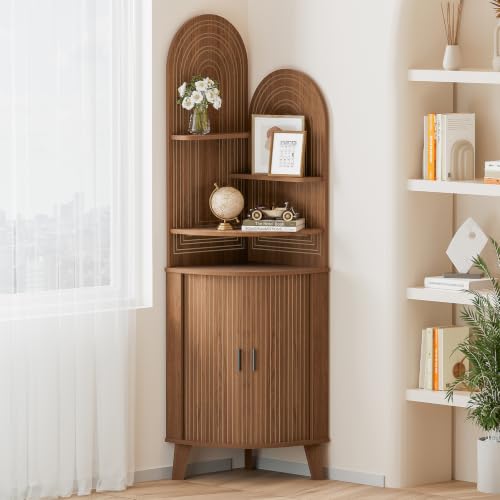
Pruchant Small Corner Cabinet with Sliding Door and Storage, Tall Corner Bathroom Cabinet for Kitchen, Living Room, Corner Shelf Display Storage Cabinet, Walnut
Check price on Amazon
Corner Storage Cabinet, 31.5" Floral Accent Cabinet for Small Spaces, Blue | 3D Floral Embossed Doors, 3-Tier Corner Cabinet with Adjustable Shelf, Soft-Close Hinges, Solid Wood Legs, Anti-Tip Kit
Check price on Amazon
The support you need Traditional Corner Cabinet with Adjustable Shelves & Spindle Legs, Triangle 2 Door Accent Storage Credenza with Faux Six Drawer Design & Cable Management for Living Room, Walnut
Check price on AmazonFrequently Asked Questions
How do I know if a corner cabinet is truly vintage?
Look for signs of age: solid wood construction with dovetail joints, signs of hand-crafting, older hardware styles, and a patina that only comes with time. Researching the style and construction techniques of different eras can also help.
What is the average price of a vintage corner cabinet?
Prices vary widely based on style, condition, material, and rarity. You can find smaller, simpler pieces for $150–$400, while large, ornate Victorian or Art Deco cabinets can range from $800 to $2,500 or more.
Can I use a vintage corner cabinet in a modern home?
Absolutely. Mixing vintage and modern pieces is a hallmark of great interior design. The key is to balance the look by not overcrowding the space and choosing pieces that complement your existing color palette and style.
How should I care for my vintage corner cabinet?
Keep it out of direct sunlight and away from extreme humidity. Dust regularly with a soft cloth and use a high-quality furniture wax or polish a few times a year. Avoid harsh chemical cleaners.