
Antique Kitchen Cabinets: Timeless Charm for Your Home
Discover the beauty, craftsmanship, and character of antique kitchen cabinets. Your complete guide to buying, restoring, and styling vintage kitchen storage.
START YOUR JOURNEYWhy Antique Kitchen Cabinets? Antique kitchen cabinets bring unparalleled character, history, and craftsmanship to your home. Unlike modern mass-produced options, vintage cabinets tell a story and offer solid wood construction that often outlasts contemporary alternatives. Whether you're restoring a farmhouse kitchen or adding a focal point to a modern space, antique cabinetry creates warmth and authenticity that new pieces simply cannot replicate.
What Are Antique Kitchen Cabinets?
Antique kitchen cabinets are vintage storage units typically dating from the late 19th to mid-20th century. These pieces are celebrated for their solid wood construction, handcrafted joinery, and distinctive patina that develops over decades. Unlike modern cabinets that rely on particle board and mass production, antique cabinets were built to last using traditional techniques.
When shopping for antique kitchen cabinets, you'll encounter a range of styles—from ornate Victorian designs to simple farmhouse cupboards. Each piece carries unique character marks, including hand-cut dovetail joints, original hardware, and wood grain that has deepened in color over time. These cabinets offer a sustainable alternative to new furniture while providing unmatched aesthetic appeal.
Popular Antique Kitchen Cabinet Styles
Understanding the different styles of antique cabinetry helps you identify the perfect piece for your home. Here are the most sought-after varieties:
Victorian & Ornate Cabinets (1880–1900)
Victorian-era cabinets feature elaborate carvings, decorative moldings, and often include glass-front upper sections. These pieces are typically made from walnut, oak, or mahogany and serve as stunning focal points. Many Victorian kitchen cabinets include built-in flour bins, spice drawers, and pull-out work surfaces. If you appreciate intricate details, these cabinets deliver unmatched visual interest.
Farmhouse & Primitive Cabinets (1900–1930)
Farmhouse-style antique cabinets prioritize function over ornamentation. These sturdy pieces often feature open shelving, simple panel doors, and painted finishes that have worn beautifully over time. Common woods include pine and poplar. A classic antique kitchen cupboard from this era offers generous storage and rustic charm that complements modern farmhouse aesthetics.
Hoosier Cabinets (1900–1940)
Hoosier cabinets were the original kitchen workstations, combining storage, counter space, and built-in accessories. These freestanding pieces include flour sifters, sugar bins, spice racks, and sliding work surfaces. Today, a well-preserved Hoosier cabinet is a highly collectible piece that adds both history and functionality to your kitchen.
Art Deco & Mid-Century Cabinets (1930–1950)
Art Deco and early mid-century cabinets feature clean lines, geometric patterns, and innovative hardware. These pieces often incorporate chrome accents, Formica surfaces, and streamlined designs. Their bold aesthetic pairs beautifully with contemporary kitchen design, creating an eclectic blend of old and new.
Materials & Construction: What to Look For
Antique cabinets were built with materials and techniques that modern manufacturers rarely replicate. Understanding these elements helps you evaluate quality and authenticity.
Solid Wood Construction
Most antique cabinets feature solid wood throughout—not veneers or particle board. Common species include oak, walnut, mahogany, cherry, and pine. Each wood type offers distinct grain patterns and aging characteristics. Oak develops a rich amber patina, while walnut deepens to a luxurious chocolate brown. Solid wood construction means these cabinets can be sanded, refinished, and repaired for generations.
Joinery Techniques
Look for hand-cut dovetail joints on drawers and mortise-and-tenon joints on frames. These traditional techniques indicate quality craftsmanship and ensure structural integrity. Modern cabinets often use staples, screws, and glue—methods that don't compare to the durability of hand-cut joinery.
Original Hardware
Original hardware—including hinges, pulls, and knobs—adds significant value and authenticity. Period-correct hardware might include cast iron, brass, or nickel finishes. When restoring, consider preserving original hardware whenever possible. If replacements are needed, reproduction cabinet hardware can maintain historical accuracy.
Where to Find Antique Kitchen Cabinets
Sourcing quality antique cabinets requires patience and knowledge of the best venues. Here are your primary options:
Antique Shops & Flea Markets
Local antique dealers and flea markets remain excellent sources for vintage cabinetry. Prices vary widely based on condition, rarity, and region. Expect to pay $800–$2,500 for a quality Hoosier cabinet, while smaller antique cupboards might range from $300–$800. Visiting regularly increases your chances of finding hidden gems before they're snapped up.
Online Marketplaces & Auctions
Websites like eBay, Etsy, and specialized auction houses offer wider selection but require careful inspection. Always request detailed photos of joinery, hardware, and any damage. Shipping costs for large cabinets can be substantial, so factor those into your budget. Some sellers offer local pickup only, which can significantly reduce costs.
Estate Sales & Architectural Salvage
Estate sales often yield well-preserved cabinets at reasonable prices. Architectural salvage yards specialize in reclaimed building materials and frequently stock antique kitchen pieces. These venues offer the opportunity to inspect items in person and negotiate prices. Building a relationship with local salvage dealers can give you early access to incoming inventory.
Specialty Dealers
Some dealers specialize exclusively in antique kitchen furniture. While prices tend to be higher, these experts often restore pieces before sale and provide detailed provenance. If you're seeking a specific style or era, a specialty dealer can locate exactly what you need. A reputable cabinet store that handles vintage inventory is worth the premium for peace of mind.
Restoring & Caring for Antique Kitchen Cabinets
Proper restoration preserves historical integrity while making antique cabinets functional for daily use. The approach depends on the cabinet's condition and your intended use.
Cleaning & Surface Preparation
Begin with gentle cleaning using mild soap and water. Avoid harsh chemicals that can damage original finishes. For sticky residue, try a mixture of vinegar and water. Once clean, assess the finish—if it's intact, preserve it. If it's failing, consider professional refinishing to avoid diminishing value. Proper cabinet surface cleaning techniques prevent damage during restoration.
Repairing Structural Issues
Common issues include loose joints, warped doors, and missing hardware. Minor repairs can be DIY projects, but significant structural work should be handled by professionals. Loose dovetail joints can be re-glued and clamped. Warped doors may require adjustment or replacement. Always use reversible repairs when possible to maintain historical integrity.
Refinishing vs. Preserving Patina
This is the most debated topic among antique enthusiasts. Refinishing removes the original finish and patina, potentially decreasing value. However, if the finish is severely damaged, refinishing may be necessary for functional use. If you plan to use the cabinet daily, a professional refinish can protect the wood and make cleaning easier. For display pieces, preserving original patina maintains historical character and value.
Ongoing Care
Maintain antique cabinets with regular dusting and occasional polishing using appropriate products for the finish type. Avoid excessive moisture, which can warp wood and damage finishes. Control humidity in your kitchen to prevent cracking. With proper care, antique cabinets can last another century. For comprehensive maintenance guidance, consult our cabinet care and maintenance hub.
Incorporating Antique Cabinets into Modern Kitchens
One of the most exciting trends in kitchen design is blending antique cabinetry with modern elements. This approach creates spaces that feel curated and personal rather than showroom-perfect.
Creating a Focal Point
Use a single antique cabinet as a statement piece—perhaps a glass-front hutch displaying china or a Hoosier cabinet serving as a coffee station. This technique adds character without overwhelming the space. Pair the antique with modern cabinetry in complementary colors for a cohesive look.
Mixing Materials & Finishes
Contrast antique wood tones with modern materials like stainless steel, concrete, or glass. A rustic antique cupboard paired with sleek quartz countertops creates dynamic visual interest. Similarly, painted antique cabinets can bridge traditional and contemporary aesthetics when colors are chosen thoughtfully.
Functional Integration
Antique cabinets can serve modern functions with minor modifications. Add interior lighting to glass-front cabinets for dramatic display. Install pull-out shelves in antique base cabinets for easier access. Update hinges for soft-close functionality while preserving original doors. These adaptations make antiques practical for daily life without compromising their character.
Complementary Design Elements
Surround antique cabinets with elements that enhance their beauty. A vintage-style faucet or vintage-style appliances create cohesive period appeal. Open shelving with decorative kitchen shelves provides display space for collectibles. A baker's rack can complement antique cabinetry while adding modern storage flexibility.
Cost Considerations: What to Expect
Antique cabinet prices vary dramatically based on style, condition, rarity, and location. Understanding typical price ranges helps you budget effectively and recognize fair deals.
- Small antique cupboards: $200–$800
- Hoosier cabinets (restored): $800–$2,500
- Large Victorian hutches: $1,200–$3,500
- Primitive farmhouse cabinets: $400–$1,200
- Art Deco / Mid-Century pieces: $600–$2,000
Restoration costs add to the purchase price. Professional refinishing can cost $500–$1,500 depending on size and condition. Structural repairs vary widely. Factor these costs into your budget before purchasing. For comparison, custom modern cabinets often cost $5,000–$15,000+ for a full kitchen, making antiques an economical alternative for those who appreciate their aesthetic.
Antique Cabinet Buying Checklist
Before purchasing any antique cabinet, inspect it thoroughly using this checklist:
- Structural Integrity: Check for wobbling, loose joints, and warped panels
- Drawer Function: Test all drawers for smooth operation and proper alignment
- Door Alignment: Ensure doors close properly and hinges are secure
- Wood Condition: Look for cracks, water damage, wood rot, or pest damage
- Hardware Completeness: Verify all pulls, knobs, and hinges are present
- Finish Condition: Assess whether original finish is intact or requires restoration
- Odor: Check for musty smells indicating mold or water damage
- Provenance: Ask about history, origin, and any documentation
If possible, bring a knowledgeable friend or hire an antique appraiser for significant purchases. Photograph any defects and factor repair costs into your offer. Don't be afraid to negotiate—antique dealers expect it. Remember that the perfect piece may require patience; rushing often leads to regrettable purchases.
Sustainability & Investment Value
Choosing antique kitchen cabinets offers both environmental and financial benefits. By purchasing vintage rather than new, you're diverting furniture from landfills and reducing demand for newly harvested wood. Antique cabinets represent the ultimate in sustainable design—they've already stood the test of time and can continue serving for generations with proper care.
From an investment perspective, quality antique cabinets have historically appreciated in value, particularly rare pieces from notable makers. While not guaranteed, well-maintained antiques often retain or increase their value over time. This contrasts with mass-produced modern cabinets, which depreciate quickly. For those considering replacing kitchen cabinets, antiques offer a compelling alternative that combines beauty, history, and value.
Recommended Antique Kitchen Cabinets & Vintage Storage
⚠️ AFFILIATE DISCLOSURE: This website contains affiliate links. As an affiliate Associate, we earn from qualifying purchases. If you make a purchase through these links, we may receive a small commission at no additional cost to you. Read our full affiliate policy.

Vabches Farmhouse Storage Cabinet with 2 Doors and 4 Drawers, Freestanding Bathroom Storage Cabinet Kitchen Pantry, Floor Hutch Cupboard for Living Room/Bathroom/Kitchen.(Antique White
Check price on Amazon
Nuvo Antique White Cabinet Makeover Kit - Easy DIY 7-Piece Set, Warm Cream, Long-Lasting Finish
Check price on Amazon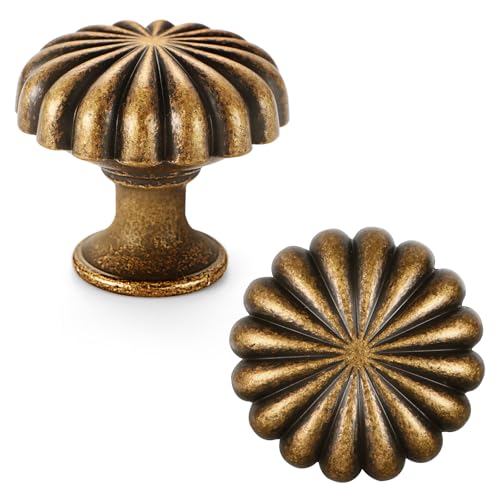
FAPUAL Antique Brass Cabinet Knobs,10 Pack Solid Drawer Pulls for Dressers | Zinc Alloy,Screws Included,Single Hole,Smooth Feel,Vintage Cabinet Handles Hardware for Kitchen Cupboards Restyle
Check price on Amazon
Vallecloud Antique Brass Kitchen Cabinet Hinges, 1/2” Overlay, 10 Pack | for Kitchen Cabinet Door, Self Closing, for Older Cabinets, Semi Hidden (Concealed), Face Frame, Surface Mount, 5 Pairs
Check price on Amazon
BEROSSA 3 Inch Antique Brass Cabinet Pulls Drawer Handles 10 Pack 2510 | Vintage Brass Kitchen Cabinet Handles, French Style, Comfortable Grip, Solid Hardware for Dressers Cupboards Bathroom Vanity
Check price on Amazon
Vallecloud Antique Brass Cabinet Hinges, 1/2” Overlay, 4 Pack | for Kitchen Cabinet Door, Self Closing, for Older Cabinets, Semi Hidden (Concealed), Face Frame, Surface Mount, 2 Pairs
Check price on Amazon
Ravinte Cabinet Pulls Kitchen Cabinet Handles 3 Inch Antique Brass 10 Pack | Zinc Alloy Hardware for Cabinets, Drawers, Dressers, and Cupboards
Check price on AmazonFrequently Asked Questions About Antique Kitchen Cabinets
How can I tell if a cabinet is truly antique?
Authentic antiques typically feature hand-cut dovetail joints, cut nails (pre-1890s), and solid wood construction. Check for signs of hand-planing and irregular saw marks. Original hardware and patina that can't be replicated also indicate age. When in doubt, consult an appraiser.
Are antique cabinets practical for daily kitchen use?
Yes, with modifications. Add interior lighting, update hinges for soft-close functionality, and install pull-out shelves for easier access. Many antique cabinets offer more storage than modern equivalents. Just avoid overloading and maintain humidity control.
Should I refinish my antique cabinet or preserve the patina?
For valuable pieces or those in good condition, preserve the original finish. For heavily damaged cabinets intended for daily use, professional refinishing may be appropriate. Always consult an expert before making irreversible changes.
What's the best way to clean antique wood cabinets?
Use a soft cloth dampened with mild soap and water. Dry immediately. Avoid harsh chemicals, abrasive cleaners, and excessive moisture. For stubborn grime, use a 50/50 vinegar-water solution. Polish occasionally with a product appropriate for your finish type.
Where can I find replacement hardware for antique cabinets?
Architectural salvage yards, antique hardware specialists, and online marketplaces offer period-appropriate hardware. Reproduction hardware is also available for common styles. Match finishes and styles to maintain authenticity. Consider having missing pieces custom-cast if necessary.
Bring Timeless Charm to Your Kitchen
Antique kitchen cabinets offer a unique combination of history, craftsmanship, and beauty that modern alternatives simply cannot match. Whether you're restoring a family heirloom, hunting for the perfect Hoosier cabinet, or adding a single vintage piece to a contemporary kitchen, antique cabinetry creates spaces filled with character and warmth.
The journey requires patience and research, but the reward is a kitchen that tells a story and stands apart from cookie-cutter designs. By understanding styles, materials, restoration techniques, and market values, you're equipped to make informed decisions and find pieces that will bring joy for years to come. Start your search today—the perfect antique cabinet is waiting to become the heart of your home.
Explore Related Cabinet Topics
Looking for more kitchen cabinet inspiration? Browse our guides on luxury kitchen cabinets, European kitchen cabinets, and acacia kitchen cabinets. For bathroom storage, see our antique vanities for sale guide. If you're considering a full kitchen update, learn about kitchen makeovers and cabinet refacing cost.