
Traditional Sideboards: Timeless Storage for Your Dining Room
Explore classic sideboards crafted from rich woods, featuring hand-finished details and enduring craftsmanship. Learn how to choose, style, and care for a piece that lasts for generations.
Why Traditional Sideboards Endure: A traditional sideboard is more than furniture—it is a statement of heritage, craftsmanship, and functional elegance. Unlike modern minimalist pieces, traditional sideboards bring warmth, character, and a sense of history to any dining space. Whether you inherit a vintage piece or invest in a new handcrafted sideboard, it becomes a focal point that anchors your room and serves your family for decades.
Best Traditional Sideboards for Timeless Dining Rooms
⚠️ AFFILIATE DISCLOSURE: This website contains affiliate links. As an affiliate Associate, we earn from qualifying purchases. If you make a purchase through these links, we may receive a small commission at no additional cost to you. Read our full affiliate policy.
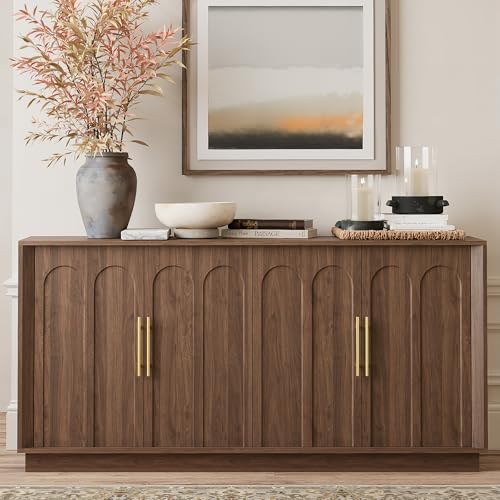
FORTUNETEC 67" Sideboard Buffet Cabinet with Storage, Arched Doors, Walnut
Check price on Amazon
FUSUNBAO 57" Fluted Sideboard Buffet,Retro Storage Cabinet, Walnut
Check price on Amazon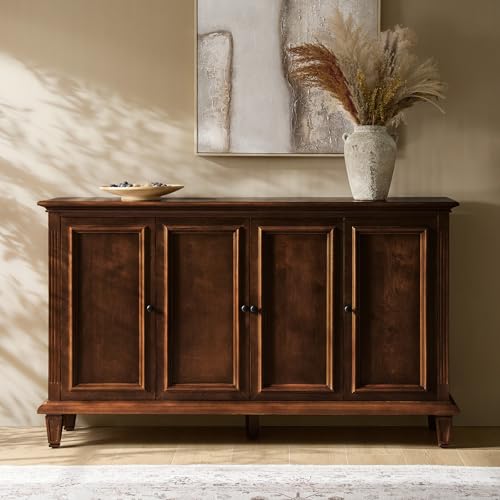
HULALA HOME Traditional Sideboard Buffet with Racks, Rubber Wood Legs, 58" Cabinet with Drawer Organizers for Living Room/Kitchen, Walnut
Check price on Amazon
ONBRILL 60" Buffet Cabinet with Storage, 4 Doors & Adjustable Shelves Brown
Check price on Amazon
HULALA HOME Transitional Solid Wood Sideboard with Adjustable Shelves, 58" Spacious Storage Sideboard, Versatile Kitchen Buffet Cabinet with Solid Wood Legs, Acorn
Check price on Amazon
58" Rustic Sideboard Buffet Cabinet Credenza with 4 Doors & 2 Adjustable Shelves, Farmhouse Wood Accent Storage Cabinets Console Table with Cable Management & Solid Wood Legs, Walnut
Check price on Amazon
HULALA HOME Sideboard Buffet Cabinet, 63'' Storage Cabinet with Adjustable Shelves, 4 Rattan Arched Doors & 2 Drawers, Traditional Sideboard for Living Room Kitchen, Walnut
Check price on AmazonWhat Defines a Traditional Sideboard?
A traditional sideboard is a long, low storage cabinet originally designed to hold dining linens, silverware, and serving dishes in formal dining rooms. Its defining characteristics include solid wood construction—typically oak, mahogany, cherry, or walnut—ornate details such as carved legs, brass hardware, and a rich stained finish that highlights natural grain patterns. Unlike modern sideboards that favor clean lines and minimal ornamentation, traditional designs embrace decorative elements like fluted columns, bracket feet, and inlaid marquetry.
These pieces often feature a mix of drawers and cabinet doors, sometimes with a central bank of drawers flanked by cupboards. The surface provides an ideal display area for candlesticks, framed photos, or a favorite china cabinet collection. Traditional sideboards come in various sizes, from compact 48-inch pieces suitable for smaller dining rooms to expansive 72-inch models that command attention in formal spaces.
If you appreciate the warmth of natural wood, you may also enjoy exploring wooden sideboard options that showcase the beauty of solid timber. For those who prefer a slightly more refined aesthetic, traditional sideboards in dark finishes pair beautifully with walnut kitchen cabinets or teak kitchen cabinets for a cohesive, sophisticated look.
Choosing the Right Wood for Your Traditional Sideboard
The wood species you choose dramatically affects the look, durability, and price of your sideboard. Here are the most common options:
- Oak: A classic choice with prominent grain and exceptional durability. Oak sideboards range from $800 to $2,500 depending on craftsmanship and age. They take stain well and develop a beautiful patina over time.
- Mahogany: Prized for its deep reddish-brown hue and fine grain. Mahogany sideboards are often associated with formal, antique-style furniture and typically cost between $1,200 and $4,000.
- Cherry: Cherry wood darkens naturally with age, developing a rich, warm tone. A solid cherry traditional sideboard usually ranges from $1,000 to $3,000.
- Walnut: Known for its chocolate-brown color and straight grain. Walnut sideboards offer a luxurious feel and generally cost $1,500 to $4,500.
- Pine: A more affordable option with a rustic, country aesthetic. Pine sideboards range from $400 to $1,200, making them accessible for budget-conscious buyers.
When evaluating construction quality, look for solid wood construction rather than veneered particle board. While high-quality veneers can be acceptable, solid wood offers superior longevity and repairability. If you are considering unfinished options for a custom project, explore our guide to unfinished cabinets for inspiration. For those who prefer a lighter wood tone, white oak kitchen cabinets share similar grain characteristics with oak sideboards.
Key Features to Look For in a Traditional Sideboard
When shopping for a traditional sideboard, pay attention to these critical features:
- Dovetail Joinery: High-quality drawers use dovetail joints for strength and longevity. Avoid stapled or glued-only drawers.
- Solid Wood Drawer Glides: Traditional pieces often use wooden runners rather than metal slides. While charming, they require occasional waxing. Some modern traditional sideboards combine classic looks with pull drawers and soft-close hardware.
- Adjustable Shelving: Interior shelves should be adjustable to accommodate different heights of serving pieces and storage items.
- Ventilation: If you plan to store electronics or use the sideboard as a media console, ensure there are ventilation holes or consider a piece designed for that purpose, such as a TV stand with storage.
- Finish Quality: Look for hand-rubbed oil finishes or lacquer coatings that protect the wood while enhancing its natural beauty. Proper wood polishing maintains that luster over time.
Hardware is another defining feature. Traditional sideboards typically feature brass or bronze pulls, keyhole escutcheons, and sometimes decorative locks. These details contribute significantly to the piece's character and authenticity.
Dimensions and Placement Guide
Traditional sideboards are generally 30 to 36 inches tall, 18 to 22 inches deep, and 48 to 72 inches wide. The right size depends on your dining room layout and intended use. A good rule of thumb is to allow at least 36 inches of clearance between the sideboard and the dining table to ensure comfortable movement.
Placement matters as much as size. In a formal dining room, the sideboard traditionally sits against the longest wall, opposite the dining table or centered on a focal wall. If your space is limited, consider a wall cabinet for wall mounting or a smaller storage cabinet that provides similar functionality without occupying too much floor space. For a cohesive dining room design, coordinate your sideboard with other wooden furniture pieces, such as a hutch cabinet or a display cupboard.
Before purchasing, always measure your space carefully. Our cabinet dimension chart can help you visualize standard sizes and plan your layout effectively.
Styling Your Traditional Sideboard
A traditional sideboard offers a generous surface for styling, but the key is balance and restraint. Here are some ideas:
- Symmetry: Place a pair of table lamps or candlesticks on either end to frame the display.
- Layering: Use a large mirror or piece of art above the sideboard to add depth and reflect light.
- Functional Decor: Incorporate practical items like a liquor cabinet tray, a stainless steel pots and pans display, or a stainless steel saucepan if you entertain frequently.
- Seasonal Touches: Rotate decor with the seasons—fresh flowers in spring, pumpkins in autumn, and evergreen branches in winter.
For a cohesive dining room, coordinate your sideboard styling with other storage pieces like a curio and cabinet or a glass door bookcase cabinet. If your sideboard doubles as a home bar, consider adding a breakfast bar setup nearby. For homes with an open floor plan, a traditional sideboard can also serve as a divider between the dining area and a TV console or fireplace television stand zone.
Caring for Your Traditional Sideboard
Proper care ensures your traditional sideboard remains beautiful for generations. Follow these maintenance tips:
- Dust Regularly: Use a soft, dry cloth to remove dust weekly. Avoid feather dusters that can scratch the finish.
- Polish Occasionally: Apply a high-quality wood polish every 3–6 months to nourish the wood and protect the finish. Our guide to wood polishing covers best practices.
- Protect from Heat and Moisture: Use coasters and felt pads under hot dishes and damp glasses. Avoid placing the sideboard near radiators or air vents.
- Control Humidity: Wood expands and contracts with humidity changes. Maintain indoor humidity between 40% and 60% to prevent cracking.
- Address Scratches Promptly: Minor scratches can be treated with a matching wood filler or touch-up marker. For deeper damage, consult a professional furniture restorer.
If you are restoring an antique sideboard, you may need to repair veneer, replace hardware, or refinish the surface. For complex repairs, consider consulting a kitchen remodel contractor or furniture restoration specialist. Always check whether your piece is covered under any warranty information cabinets before attempting repairs.
Buying Tips: How to Choose the Perfect Traditional Sideboard
Before you buy, consider these practical tips:
- Define Your Purpose: Will the sideboard store dining linens, serve as a bar, or hold electronics? Your intended use determines the interior configuration you need.
- Set a Budget: Traditional sideboards range from $400 for pine models to $4,500+ for premium mahogany or walnut pieces. Determine your budget before shopping to narrow your options.
- Inspect in Person When Possible: If buying from a local furniture store or antique dealer, inspect the piece for structural integrity, drawer function, and finish quality.
- Check Return Policies: When buying online, review the seller's return policy carefully. Freight shipping for large furniture can be expensive, so understand who covers return costs.
- Read Reviews: Look for reviews that mention durability, finish quality, and customer service. Our cabinet starter hub offers additional guidance for first-time furniture buyers.
If you are furnishing an entire dining room, you may also want to explore coordinating pieces like a wardrobe storage cabinet for linens or a shoe cabinet entryway for adjacent spaces. For a truly cohesive traditional home, consider matching your sideboard with wood kitchen cabinets or shaker style cabinets in the kitchen.
Frequently Asked Questions
What is the difference between a sideboard and a buffet?
In modern usage, the terms are often interchangeable. Historically, a buffet was taller and used for serving, while a sideboard was lower and used for storage. Today, most furniture retailers use both terms to describe similar dining room storage pieces.
How much should I expect to pay for a traditional sideboard?
Prices vary widely based on wood type, craftsmanship, and age. A new pine sideboard may cost $400–$800, while a solid mahogany or walnut piece can range from $1,500 to $4,500. Antique sideboards can exceed $5,000 depending on rarity and condition.
Can I use a traditional sideboard in a modern home?
Absolutely. Mixing eras creates visual interest. A traditional sideboard can serve as a grounding, warm element in a contemporary space, especially when styled with modern accessories and art.
What is the best wood for a traditional sideboard?
Oak, mahogany, cherry, and walnut are the most popular choices. Oak offers durability and prominent grain, mahogany provides a formal, reddish-brown elegance, cherry develops a rich patina over time, and walnut offers a luxurious dark tone.
How do I protect my traditional sideboard from scratches?
Use felt pads under decorative items, avoid placing sharp objects directly on the surface, and dust with a soft cloth. For extra protection, consider a custom-fit glass top or a table runner.