Small White Bathroom Cabinet Solutions
Discover how compact cabinet solutions can maximize storage in small spaces throughout your home.
Read More →
Transform your chaotic pantry into a beautifully organized, functional space. Discover shelf systems, smart containers, labeling techniques, and layout strategies that make cooking and grocery shopping effortless.
START ORGANIZINGWhy Pantry Organization Matters: A well-organized pantry saves you time, reduces food waste, and makes meal preparation enjoyable. According to home organization experts, the average household wastes up to 30% of groceries simply because items get lost in cluttered pantries. Whether you have a built-in pantry with cabinets or a simple storage cabinet converted for dry goods, the principles of effective organization remain the same: visibility, accessibility, and consistency.
⚠️ AFFILIATE DISCLOSURE: This website contains affiliate links. As an affiliate Associate, we earn from qualifying purchases. If you make a purchase through these links, we may receive a small commission at no additional cost to you. Read our full affiliate policy.

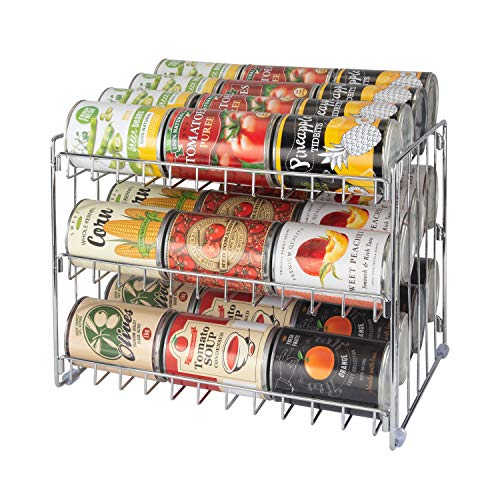


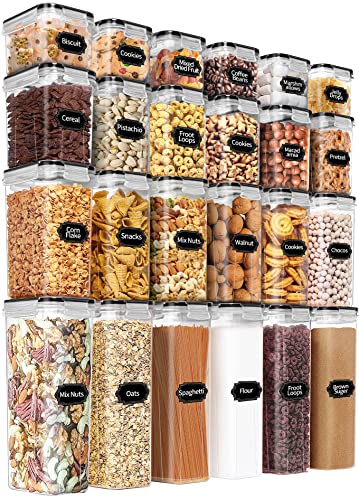


Before purchasing any containers or shelf risers, take time to assess what you're working with. Every pantry has unique dimensions, door styles, and storage challenges. Measure your space accurately—width, depth, and height of each shelf—and note any obstructions like door frames or pull drawers that affect accessibility. This preliminary step prevents costly mistakes and ensures your organization system fits perfectly.
Record shelf depth, height between shelves, and door clearance. Standard pantry shelves are 12-16 inches deep, but custom pantry cabinets may vary. Knowing exact measurements helps you choose containers that maximize space without blocking access.
Remove everything from your pantry and categorize items: baking supplies, canned goods, snacks, pasta and grains, spices, and beverages. This inventory audit reveals what you actually use and what's been sitting forgotten for months.
Divide your pantry into logical zones based on usage frequency. Daily items belong at eye level, heavy items on lower shelves, and occasional-use items on top shelves. This zoning system is the foundation of lasting pantry organization.
The right organization system depends on your pantry type, budget, and cooking habits. Below are the most effective approaches used by professional organizers, ranging from budget-friendly solutions to premium custom systems. For those planning a complete kitchen overhaul, exploring small cabinet solutions can provide additional storage inspiration for compact spaces.
| System Type | Best For | Typical Cost | Installation |
|---|---|---|---|
| Clear Container System | Visibility and uniformity | $50–$200 | No installation needed |
| Shelf Riser System | Maximizing vertical space | $20–$80 | Simple placement |
| Pull-Out Drawer System | Deep shelves and accessibility | $150–$500 | Professional recommended |
| Lazy Susan System | Corner cabinets and round items | $15–$60 | Simple placement |
| Wall Rack System | Door storage and small items | $25–$100 | Adhesive or screw-mount |
Follow this proven five-step process to transform your pantry in a single weekend. Each step builds on the previous one, ensuring lasting results rather than a temporary fix. For those with limited space, consider supplementing your pantry with a stackable plastic drawer system or wire storage rack to extend your organization beyond the pantry walls.
Remove every item from your pantry. Vacuum crumbs, wipe shelves with a mild cleaner, and allow surfaces to dry completely. This is also the perfect time to check for pests or moisture damage. For wooden shelves, a light wood polishing treatment can restore luster and protect against future stains.
Create categories: keep, donate, discard. Check expiration dates on all items. Consolidate open packages of the same product. This purge typically frees up 20-30% of your pantry space immediately.
Map out where each category will live. Use the "prime real estate" principle: eye-level shelves for daily staples, lower shelves for heavy items like stainless steel pots and pans, and upper shelves for backup supplies.
Choose clear, stackable containers in uniform sizes. Square containers maximize space better than round ones. For baking supplies, airtight containers preserve freshness. Label everything with contents and expiration dates.
Schedule a 10-minute pantry reset every week. Before grocery shopping, do a quick inventory check. Adjust zones seasonally as your cooking habits change. A cabinet dimension chart can help you plan future upgrades.
Limited pantry space doesn't mean limited organization. Creative solutions like over-door racks, stackable bins, and vertical dividers can double your usable storage. If your kitchen layout allows, consider adding a tall cabinet or wall cabinet as a pantry extension. For apartment dwellers, a storage cabinet placed in a hallway or dining area can serve as overflow pantry space.
The inside of your pantry door is prime real estate. Over-door organizers hold spices, foil, plastic wrap, and small snacks. This frees up shelf space for larger items.
Use vertical dividers to store baking sheets, cutting boards, and serving trays upright. This simple trick can triple your storage capacity for flat items.
Clear stackable bins create modular storage that adapts to your needs. Use them for snacks, packets, and small items that would otherwise get lost.
Your pantry should reflect how you actually cook and eat. A family with young children needs different organization than a couple who entertains frequently or a single person focused on meal prep. Understanding these differences ensures your system works for your real life, not just for Instagram photos.
Create a dedicated snack zone at kid-height with healthy options in clear bins. Use labeled bins for lunchbox supplies. Keep a "homework snack" basket accessible for after-school hunger.
Designate a beverage and appetizer zone. Store wine glasses, cocktail supplies, and serving platters together. A liquor cabinet or dedicated shelf keeps entertaining essentials ready.
Organize by meal components: proteins, grains, vegetables, sauces. Use matching containers for portioned meals. Keep a "meal prep toolkit" with stainless steel saucepans and containers together.
Organization isn't a one-time project—it's an ongoing practice. These maintenance habits keep your pantry functional and prevent clutter from creeping back. For those with under-sink organizers or bathroom counter organizers, the same principles apply to other storage areas in your home.
Every week, spend 10 minutes returning items to their zones, wiping spills, and checking for expired items. This small investment prevents major reorganization projects.
Before your big grocery shopping trip, do a quick inventory. Note what's running low, what you have duplicates of, and what needs to be used soon. This prevents overbuying and reduces waste.
Four times a year, remove everything, wipe shelves, check expiration dates, and reassess your zones. Adjust based on seasonal cooking changes—holiday baking supplies, summer grilling items, etc.
Replace faded or peeling labels. Update expiration dates on containers. A label maker or chalk labels make this task quick and satisfying. Consistent labeling is the secret to lasting organization.
A full reorganization every 3-4 months is ideal. However, a quick 10-minute weekly reset and a monthly inventory check will keep your pantry functional between deep cleans. If you notice items getting lost or expired products accumulating, it's time for a more thorough reorganization.
Clear BPA-free plastic or glass containers are best for visibility. Glass is non-porous and doesn't retain odors, making it ideal for spices and strong-smelling items. Plastic is lighter and less breakable, better for households with children. Avoid opaque containers for everyday items—you'll forget what's inside.
Deep shelves are challenging because items get lost in the back. Solutions include: pull-out drawers or baskets, lazy Susans for corners, clear bins that slide out like drawers, and a "first in, first out" system where older items are moved to the front. Consider adding pull drawers if your budget allows.
Not necessarily. Decanting works best for items you use frequently—flour, sugar, cereal, coffee, tea. Items in their original packaging that stack well (canned goods, boxed pasta) can stay as-is. The goal is functionality, not Pinterest-perfect uniformity. Decant what makes your daily routine easier.
Start with what you have: shoeboxes as drawer dividers, mason jars for bulk items, and cardboard boxes cut down as shelf risers. Dollar stores offer affordable clear bins and baskets. Focus on zoning and labeling first—these cost nothing but make the biggest difference. Add containers gradually as your budget allows.
Final Thoughts: Organizing your pantry is an investment in your daily quality of life. A functional pantry reduces stress, saves money, and makes cooking a pleasure rather than a chore. Start with the five-step process outlined above, invest in quality containers that fit your space, and commit to the weekly reset habit. Your future self—standing in a calm, organized pantry before dinner—will thank you. For more kitchen organization inspiration, explore our guides on under-sink organizers, kitchen trash cabinets, and cabinet installation accessories.
Discover how compact cabinet solutions can maximize storage in small spaces throughout your home.
Read More →Learn how stackable drawer systems can extend your pantry organization beyond the kitchen.
Read More →Everything you need to know about choosing storage cabinets for pantry overflow and home organization.
Read More →The information provided on CabinetLoop is for educational and informational purposes only. We are not professional interior designers or cabinet technicians, and our content should not replace professional advice. Always consult with a qualified expert regarding cabinet compatibility, safety, or technical concerns. Some content may use AI assistance. Always check product warranties and safety standards before purchasing. If you do not agree, please do not use this website. Read the full disclaimer.