
Kitchen Countertop Replacement: The Complete Guide
Everything you need to know about replacing your kitchen countertops — materials, costs, installation, and expert tips for a flawless upgrade.
Explore MaterialsReplacing your kitchen countertops is one of the most impactful upgrades you can make in your home. Whether you're tired of outdated laminate, dealing with cracks and stains, or simply want to modernize your space, a kitchen countertop replacement can dramatically transform both the look and functionality of your kitchen. With the right material and proper installation, new countertops can increase your home's value, improve your daily cooking experience, and provide a durable surface that lasts for decades.
This comprehensive guide will walk you through every stage of the countertop replacement process — from choosing the perfect material for your lifestyle and budget to understanding installation costs and avoiding common mistakes. By the end, you'll have the confidence to make an informed decision and select the ideal surface for your kitchen.
Why Replace Your Kitchen Countertops?
There are several compelling reasons homeowners choose to replace their countertops:
- Aesthetic Upgrade: New countertops instantly refresh the entire kitchen, even if you keep your existing cabinets.
- Damage & Wear: Cracks, burns, chips, and deep stains are difficult to repair and often signal it's time for a replacement.
- Improved Hygiene: Non-porous materials like quartz resist bacteria growth, making them easier to clean and safer for food preparation.
- Increased Home Value: Updated countertops are a top feature buyers look for, often recouping a significant portion of the investment.
- Better Functionality: New countertops can accommodate larger sinks, better edge profiles, and modern features.
If your current countertops are more than 15–20 years old, or if they're made of outdated materials like laminate with visible seams, replacement is likely the most cost-effective long-term solution. For those considering a more budget-friendly option, cabinet refacing paired with new countertops can achieve a like-new kitchen for less than a full remodel.
Choosing the Right Countertop Material
The material you choose is the single most important decision in your countertop replacement project. It affects appearance, durability, maintenance, and cost. Here's a detailed comparison of the most popular options:
1. Quartz (Engineered Stone)
Quartz countertops are made from ground natural quartz mixed with resin. They offer the look of stone with superior durability and non-porous properties.
- Pros: Non-porous, stain-resistant, scratch-resistant, wide range of colors and patterns, no sealing required.
- Cons: Can be expensive, not heat-resistant (use trivets), seams may be visible in some designs.
- Cost: $50–$150 per square foot installed.
- Best For: Busy families, those who want low-maintenance luxury.
2. Granite (Natural Stone)
Granite is a natural stone that offers unique, one-of-a-kind patterns. It's heat-resistant and highly durable.
- Pros: Natural beauty, heat-resistant, scratch-resistant, increases home value.
- Cons: Requires periodic sealing, can chip, heavy (may need cabinet reinforcement).
- Cost: $40–$100 per square foot installed.
- Best For: Those who love natural stone and don't mind occasional maintenance.
3. Laminate
Laminate is a budget-friendly option made from particleboard covered with a decorative layer. Modern laminates mimic stone and wood convincingly.
- Pros: Affordable, easy to install, wide variety of designs, low maintenance.
- Cons: Not heat-resistant, can scratch, seams are visible, shorter lifespan.
- Cost: $20–$50 per square foot installed.
- Best For: Rental properties, budget remodels, temporary upgrades.
4. Butcher Block (Wood)
Butcher block countertops are made from strips of hardwood glued together. They offer a warm, natural look and are knife-friendly.
- Pros: Warm aesthetic, easy to repair (sanding), knife-friendly, affordable.
- Cons: Requires regular oiling, can be damaged by water, not heat-resistant.
- Cost: $30–$80 per square foot installed.
- Best For: Farmhouse and rustic kitchens, avid cooks. Learn more about butcher block countertop costs.
5. Solid Surface (e.g., Corian)
Solid surface countertops are man-made from acrylic and polyester. They're seamless and can be sanded to remove scratches.
- Pros: Seamless, repairable, non-porous, wide range of colors.
- Cons: Can scratch, not heat-resistant, can be expensive.
- Cost: $35–$80 per square foot installed.
- Best For: Those who want a seamless look and easy repairs.
6. Stainless Steel
Stainless steel countertops are popular in commercial kitchens and modern homes. They're hygienic and heat-resistant.
- Pros: Heat-resistant, hygienic, easy to clean, modern look.
- Cons: Can scratch and dent, shows fingerprints, noisy.
- Cost: $75–$150 per square foot installed.
- Best For: Industrial-style kitchens, serious cooks.
Kitchen Countertop Replacement Cost Breakdown
The total cost of your countertop replacement depends on several factors: material, size of your kitchen, edge profile, sink cutouts, and labor. Here's a general breakdown:
| Material | Cost Per Sq. Ft. (Installed) | Typical Kitchen (30 sq. ft.) |
|---|---|---|
| Laminate | $20–$50 | $600–$1,500 |
| Butcher Block | $30–$80 | $900–$2,400 |
| Solid Surface | $35–$80 | $1,050–$2,400 |
| Granite | $40–$100 | $1,200–$3,000 |
| Quartz | $50–$150 | $1,500–$4,500 |
| Stainless Steel | $75–$150 | $2,250–$4,500 |
Note: Prices are estimates and vary by region, fabricator, and complexity of the project. Always get multiple quotes.
Additional Costs to Consider
- Sink Cutout: $50–$200 (varies by material).
- Edge Profiles: $10–$50 per linear foot for custom edges.
- Removal & Disposal: $100–$500 for old countertop removal.
- Plumbing Disconnection/Reconnection: $100–$300.
- Cabinet Reinforcement: $100–$500 if heavy stone requires additional support.
If you're planning a larger renovation, it's wise to estimate your kitchen remodel cost to budget effectively. For those looking to save, an affordable kitchen approach might involve keeping existing cabinets and only replacing countertops.
DIY vs. Professional Installation
One of the biggest decisions you'll face is whether to install the countertops yourself or hire a professional. Here's what you need to know:
DIY Installation
Best for: Laminate, butcher block, and some solid surface countertops.
- Pros: Saves on labor costs (which can be 30–50% of the total), sense of accomplishment.
- Cons: Requires skills and tools, risk of mistakes, no warranty on installation, potential for costly errors.
Professional Installation
Best for: Quartz, granite, and other natural stone or heavy materials.
- Pros: Precision cutting, proper sealing, warranty, faster completion, no risk of injury.
- Cons: Higher upfront cost.
For materials like granite and quartz, professional fabrication and installation are almost always recommended because they require specialized equipment to cut and polish. For laminate or butcher block, a confident DIYer can achieve excellent results with careful planning. If you're replacing countertops as part of a larger project, consider whether kitchen makeovers guides can help you plan the entire transformation.
How to Choose the Right Countertop for Your Kitchen
With so many options, narrowing down your choice can feel overwhelming. Ask yourself these key questions:
- What is my budget? Determine your total budget including materials, labor, and extras.
- How do I use my kitchen? Heavy cooks may prefer heat-resistant granite; busy families may prefer low-maintenance quartz.
- What style do I want? Modern kitchens often feature quartz or stainless steel; farmhouse kitchens suit butcher block.
- How much maintenance am I willing to do? Granite needs sealing; quartz doesn't.
- What are my cabinet colors? Ensure your countertop complements your cabinets and backsplash.
If you're still unsure, visiting a cabinet store or a kitchen cabinet store to see full-size samples can be incredibly helpful. Many stores have displays that show countertops paired with different cabinet styles and colors.
The Countertop Replacement Process: Step by Step
- Planning & Measuring: Measure your existing countertops accurately, including sink and cooktop cutouts.
- Selecting Material: Choose your material based on budget, style, and durability.
- Getting Quotes: Obtain at least three quotes from fabricators and installers.
- Template Making: For custom materials, a fabricator will create a template of your countertops.
- Removal of Old Countertops: This involves disconnecting plumbing and carefully removing the old surface.
- Installation: New countertops are set in place, seams are joined, and edges are finished.
- Finishing Touches: Reconnecting plumbing, sealing (if required), and cleaning up.
The entire process typically takes 1–3 weeks from order to completion, depending on the material and fabricator's schedule. For a seamless result, ensure your kitchen counter depth is standard (usually 24–25 inches) to avoid custom fabrication fees.
Common Mistakes to Avoid
- Not Measuring Correctly: Incorrect measurements lead to costly re-fabrication.
- Choosing Based on Looks Alone: A beautiful marble might stain easily; consider lifestyle first.
- Skipping Cabinet Inspection: Old cabinets may not support heavy stone; inspect and reinforce if needed.
- Ignoring Seams: Discuss seam placement with your fabricator to minimize visibility.
- Forgetting the Backsplash: Your new countertops may require a new or updated backsplash for a cohesive look.
Frequently Asked Questions
How long does a kitchen countertop replacement take?
Most projects take 1–3 weeks from order to installation. The actual installation day is usually 1–2 days.
Can I replace countertops without replacing cabinets?
Absolutely. In fact, replacing countertops while keeping cabinets is a popular way to refresh a kitchen on a budget. Just ensure your cabinets are structurally sound. For a more dramatic change, consider replacing kitchen cabinets at the same time.
What is the most durable countertop material?
Quartz and granite are both extremely durable. Quartz is non-porous and stain-resistant, while granite is heat-resistant and scratch-resistant.
Do I need to seal my new countertops?
Granite, marble, and other natural stones require periodic sealing. Quartz, laminate, and solid surface do not.
How much does it cost to replace countertops in a small kitchen?
For a small kitchen (around 20–30 sq. ft.), costs range from $600 for laminate to $4,500 for high-end quartz, including installation.
Final Thoughts
Replacing your kitchen countertops is a rewarding investment that enhances both the beauty and functionality of your home. By understanding your options, budgeting wisely, and choosing the right material for your lifestyle, you can create a kitchen you'll love for years to come. Whether you opt for the low-maintenance elegance of quartz, the natural beauty of granite, or the warmth of butcher block, the key is to plan carefully and work with reputable professionals.
Ready to get started? Explore our recommended products below and take the first step toward your dream kitchen.
Recommended Countertop Replacement Products
⚠️ AFFILIATE DISCLOSURE: This website contains affiliate links. As an affiliate Associate, we earn from qualifying purchases. If you make a purchase through these links, we may receive a small commission at no additional cost to you. Read our full affiliate policy.

VEELIKE Grey Granite Kitchen Countertop Peel and Stick Waterproof Marble Contact Paper for Countertops 354''x32'' Wide Laminate Countertop Sheets Adhesive Counter Top Covers for Bathroom Powder Room
Check price on Amazon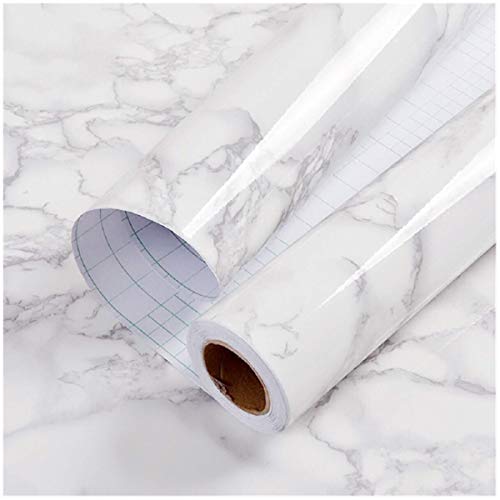
Marble Contact Paper White Peel and Stick Wallpaper for Kitchen Countertop | 17.71" x 196.8" Thick Gray Granite PVC Roll for Cabinet Furniture Renovated Easy to Remove Without Leaving Glue Upgrade
Check price on Amazon
EZ FAUX DECOR Vinyl Countertop Update Wrap 36" x 120" Waterproof White Marble Contact Paper Countertop Adhesive Covering Formica Laminate Removable Wallpaper Peel and Stick Backsplash
Check price on Amazon
VEELIKE 15.7''x 118'' Granite Contact Paper for Kitchen Countertops Waterproof Marble Contact Paper Peel and Stick for Bathroom Counter Top Self Adhesive Vinyl
Check price on Amazon
FunStick Thick Butcher Block Contact Paper for Countertops Waterproof Self Adhesive Brown Wood Wallpaper Peel and Stick Wood Grain Contact Paper Removable Wood Wallpaper for Table Cabinets 12"x200"
Check price on Amazon
SWSKR Acrylic Cutting Board with Counter Lip, 1pcs Black - 17''x13'' | BPA-free food-safe acrylic, 60% thicker, durable, easy to clean, protects countertops, home & pro kitchen
Check price on Amazon