
Wooden Tool Chest: The Complete Buying & Care Guide
Discover how to choose the perfect wooden tool chest for your workshop, garage, or professional trade. From classic machinist chests to heavy-duty rolling cabinets, we break down materials, joinery, and features so you can buy with confidence.
Start Your ResearchWhy a Wooden Tool Chest? Unlike metal or plastic alternatives, a wooden tool chest offers timeless aesthetics, superior durability, and a warm, professional look that elevates any workspace. Whether you are a carpenter, machinist, or DIY enthusiast, a well-crafted wooden chest protects your investment and keeps your tools organized. This guide will walk you through everything you need to know before making a purchase.
Types of Wooden Tool Chests
Wooden tool chests come in several configurations, each designed for specific needs and trades. Understanding these types is the first step toward finding the right one for your workshop.
Machinist's Chest
A machinist's chest is a traditional, multi-drawer wooden chest designed to store precision tools. It typically features felt-lined drawers, a locking lid, and a compact footprint. These chests are often made from oak, walnut, or cherry and are prized for their craftsmanship.
- Ideal for: Precision tools, measuring instruments, small parts
- Typical price: $150–$800
Carpenter's Tool Chest
A carpenter's chest is larger and deeper, designed to hold hand planes, saws, chisels, and other bulky woodworking tools. It often includes a removable tray and a sturdy lid that doubles as a work surface.
- Ideal for: Hand tools, planes, saws, chisels
- Typical price: $200–$1,200
Rolling Tool Cabinet
A rolling wooden tool cabinet combines the beauty of wood with the mobility of a metal roll cab. These units feature casters, multiple drawers, and a spacious top work surface. They are perfect for garages and large workshops.
- Ideal for: Large tool collections, garage workshops
- Typical price: $500–$2,500
Wall-Mounted Tool Chest
Wall-mounted wooden tool chests save floor space and keep tools within easy reach. They are ideal for small workshops or garages where space is at a premium. Many models feature adjustable shelves and pegboard backs.
- Ideal for: Small spaces, frequently used tools
- Typical price: $100–$600
For those who appreciate antique craftsmanship, an antique wood tool chest can be a beautiful and functional addition to your collection. If you need a more permanent storage solution, consider a floor cabinet or a tall cabinet to complement your chest.
Choosing the Right Wood Material
The wood species used in a tool chest significantly affects its durability, weight, and appearance. Here are the most common options:
| Wood Type | Durability | Weight | Best For | Price Range |
|---|---|---|---|---|
| Oak | Excellent | Heavy | Heavy-duty chests, long-term use | $300–$1,500 |
| Maple | Very Good | Medium-Heavy | Machinist chests, precision storage | $250–$1,200 |
| Walnut | Very Good | Medium | Premium chests, aesthetic appeal | $400–$2,000 |
| Cherry | Good | Medium | Traditional chests, fine craftsmanship | $350–$1,800 |
| Pine | Fair | Light | Budget chests, light-duty use | $80–$400 |
| Plywood | Good | Light-Medium | Cost-effective, stable construction | $100–$500 |
When evaluating materials, also consider the joinery. Dovetail joints are the gold standard for wooden tool chests, offering unmatched strength and longevity. Box joints and rabbet joints are also common, though slightly less robust. If you are comparing materials for other storage furniture, our guide on wood kitchen cabinets provides additional insights into wood selection.
Key Features to Look For
Drawer Slides
Look for full-extension, ball-bearing slides. They allow you to access the entire drawer and handle heavy loads smoothly. Soft-close slides prevent slamming and protect your tools.
Locking Mechanism
A reliable lock is essential for securing valuable tools. Choose a chest with a cam lock or a hasp that accepts a padlock. Some premium chests feature multiple locking points.
Felt Lining
Felt-lined drawers protect precision tools from scratches and moisture. This is especially important for machinist chests and chests storing measuring instruments.
Portability
Consider whether you need a stationary chest or one with casters. Rolling chests are easier to move around the workshop but may be heavier and more expensive.
Storage Capacity
Assess the number and size of drawers, as well as the overall dimensions. A chest that is too small will quickly become cluttered; one that is too large may waste space.
Finish & Protection
A quality finish (lacquer, varnish, or oil) protects the wood from moisture, oil, and scratches. Look for chests with a durable, easy-to-maintain finish.
If you are also organizing other areas of your home or garage, you might find our guides on garage storage units and metal garage cabinets helpful for creating a cohesive storage system.
Sizing Guide: How to Choose the Right Dimensions
Choosing the correct size for your wooden tool chest depends on your tool collection and available space. Here are some general guidelines:
| Chest Type | Typical Dimensions (W x D x H) | Best For |
|---|---|---|
| Compact Machinist Chest | 20" x 12" x 14" | Small precision tools, limited space |
| Standard Machinist Chest | 26" x 14" x 18" | Full set of machinist tools |
| Carpenter's Chest | 36" x 20" x 24" | Hand planes, saws, large hand tools |
| Rolling Tool Cabinet | 40" x 22" x 38" | Large tool collections, garage use |
Always measure your available space before purchasing. Remember to account for clearance needed to open drawers fully. For more detailed dimension guidance, refer to our cabinet dimension chart.
Care & Maintenance Tips
Cleaning
Dust regularly with a soft cloth. For deeper cleaning, use a mild wood cleaner and a damp cloth. Avoid harsh chemicals that can damage the finish.
Moisture Control
Keep your chest in a dry environment. Use silica gel packets or a dehumidifier in humid climates to prevent warping and mold. Our guide on cabinet humidity control offers more tips.
Protecting the Finish
Reapply a wood polish or wax every 6–12 months to maintain the finish and protect against scratches. For painted chests, consider a protective topcoat.
Hardware Maintenance
Lubricate drawer slides and hinges annually with a silicone-based lubricant. Tighten screws and check for wear. Our cabinet hardware guide provides detailed maintenance instructions.
Buying Guide: What to Look For Before You Buy
When shopping for a wooden tool chest, keep the following factors in mind to ensure you get the best value for your money:
- Joinery Quality: Look for dovetail joints, which are stronger and more durable than stapled or screwed joints.
- Drawer Slides: Full-extension, ball-bearing slides are a must for heavy tools. Avoid chests with friction slides if you plan to store heavy items.
- Wood Thickness: Thicker wood (3/4" or more) provides better stability and longevity.
- Finish: A quality finish protects the wood and makes cleaning easier. Avoid chests with unfinished or poorly sealed wood.
- Locking System: Ensure the lock is sturdy and meets your security needs. If you have valuable tools, consider a chest with a padlock hasp.
- Warranty: A good warranty indicates the manufacturer's confidence in their product. Look for at least a 1-year warranty.
For those who prefer a more traditional look, an antique wood tool chest can be a charming and functional choice. If you need a larger storage solution, consider a tall cabinet or a floor cabinet to complement your tool chest.
Frequently Asked Questions
What is the best wood for a tool chest?
Oak and maple are considered the best woods for tool chests due to their hardness, durability, and resistance to wear. Walnut and cherry are also excellent choices for premium chests.
How much should I expect to pay for a wooden tool chest?
Prices vary widely. A basic pine chest can cost around $80–$400, while a high-quality oak machinist chest can range from $300 to $1,500. Rolling cabinets can cost $500–$2,500 or more.
Are wooden tool chests better than metal ones?
Wooden chests offer superior aesthetics, are less prone to denting, and provide a warm, professional look. Metal chests are generally more affordable and can be more durable in harsh environments. The best choice depends on your needs and preferences.
How do I protect my wooden tool chest from moisture?
Keep it in a dry environment, use a dehumidifier if necessary, and apply a quality wood finish. Silica gel packets can also help absorb moisture inside drawers.
Can I use a wooden tool chest for heavy tools?
Yes, provided the chest is well-constructed with dovetail joints and full-extension, ball-bearing slides. Oak and maple chests are best suited for heavy tools.
Ready to Find Your Perfect Wooden Tool Chest?
Browse our curated selection of top-rated wooden tool chests on Amazon. Whether you need a compact machinist chest or a heavy-duty rolling cabinet, we have you covered.
View Recommended ProductsRecommended Wooden Tool Chests
⚠️ AFFILIATE DISCLOSURE: This website contains affiliate links. As an affiliate Associate, we earn from qualifying purchases. If you make a purchase through these links, we may receive a small commission at no additional cost to you. Read our full affiliate policy.

INWINACALT Oak Tool Chest, 8-Drawer Portable Storage with Chrome Hardware
Check price on Amazon
INWINACALT Premium Oak Wood Organizer Chest, 6 Drawer Desktop Storage
Check price on Amazon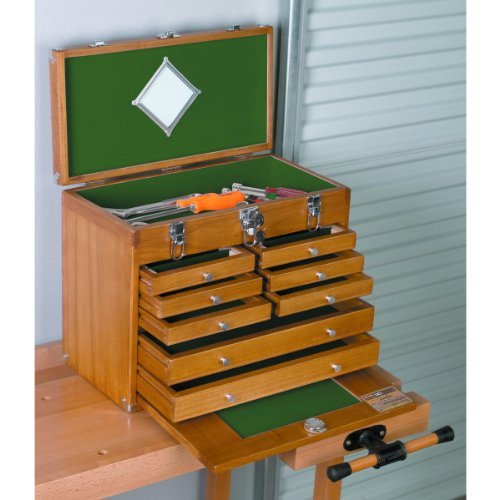
8 Drawer Wood Tool Chest Special by Windsor Design
Check price on Amazon
INWINACALT Heritage 4-Drawer Desktop Tool Box, Lock & Felt Lining
Check price on Amazon
INWINACALT 6-Drawer Desktop Chest, Machinist-Inspired Wood Tool Storage
Check price on Amazon
14 Inch Mini Wooden Tool Box with 2 Drawers and Top Storage, Wooden Color
Check price on Amazon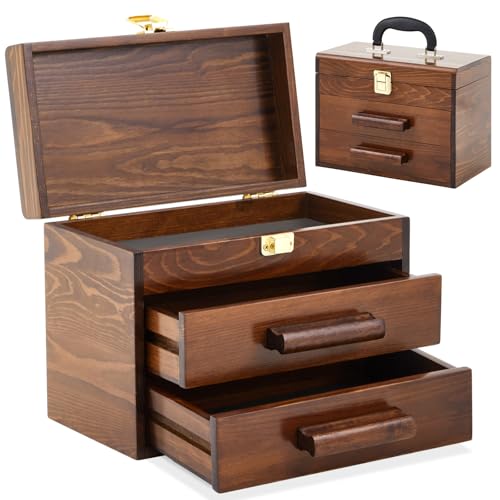
11 Inch Mini Wooden Tool Box with 2 Drawers and Top Storage, Wooden Color
Check price on Amazon