
The Complete Guide to Sink Base Cabinets
Everything you need to know about choosing, sizing, and installing the perfect sink base cabinet for your kitchen. From standard dimensions to custom solutions, we've got you covered.
Shop Recommended Sink Base CabinetsWhat is a Sink Base Cabinet?
A sink base cabinet is the foundational cabinet unit designed specifically to house and support a kitchen sink. Unlike standard base cabinets that feature drawers or shelves, a sink base cabinet is engineered with a unique open interior to accommodate plumbing, garbage disposals, and other under-sink fixtures. This makes it one of the most critical components of any kitchen layout.
Choosing the right sink base cabinet is about more than just aesthetics. It impacts the functionality of your entire kitchen workspace, the ease of plumbing installation, and your ability to store cleaning supplies and other essentials efficiently. Whether you are planning a full kitchen remodel or simply replacing a worn-out unit, understanding the nuances of sink base cabinets will help you make an informed decision.
Types of Sink Base Cabinets
Sink base cabinets come in several configurations, each designed to work with different sink styles and kitchen layouts. Understanding these types will help you narrow down your options.
1. Standard Sink Base Cabinet
This is the most common type, featuring a full-width false drawer front at the top and two doors below. The false drawer front maintains the visual consistency of your cabinet run while providing no actual drawer function, as the space behind it is reserved for the sink basin and plumbing. This design is compatible with drop-in and undermount sinks.
2. Farmhouse or Apron-Front Sink Base
Designed for farmhouse or apron-front sinks, this cabinet features a cutout at the front to accommodate the exposed sink apron. The sink itself becomes a design focal point, and the cabinet is built to support the heavy weight of these typically larger sinks. This style works beautifully in wood kitchen cabinets for a rustic or transitional look.
3. Corner Sink Base Cabinet
For kitchens where the sink is placed in a corner, a corner sink base cabinet is an efficient use of space. These are often paired with corner kitchen cabinet storage solutions to maximize every inch of the kitchen. They can be designed as a blind corner or a diagonal corner unit.
4. ADA-Compliant Sink Base Cabinet
Designed for accessibility, these cabinets have an open, roll-under design with no doors or a removable front panel. This allows a wheelchair user to access the sink comfortably. The plumbing is typically insulated and configured to protect the user's legs.
Standard Sink Base Cabinet Sizes
One of the most common questions when buying a sink base cabinet is, "What size do I need?" The size of your sink base cabinet is dictated by the size of your sink and the available space in your kitchen layout. Here is a breakdown of common sizes:
| Cabinet Width | Typical Sink Size | Best For |
|---|---|---|
| 24 inches | Up to 21 inches | Small kitchens, kitchen island with cabinets where space is limited. |
| 30 inches | Up to 27 inches | Standard single-bowl sinks, small to medium kitchens. |
| 33 inches | Up to 30 inches | Most common size for single-bowl and smaller double-bowl sinks. |
| 36 inches | Up to 33 inches | Large single-bowl and standard double-bowl sinks. |
| 42 inches | Up to 39 inches | Large double-bowl sinks, often used in spacious kitchens. |
| 48 inches | Up to 45 inches | Extra-large double-bowl or farmhouse sinks. |
Pro Tip: Always choose a sink base cabinet that is at least 3 inches wider than your sink. For example, a 30-inch sink requires a minimum 33-inch sink base cabinet. This ensures proper support and leaves room for plumbing and insulation.
It is important to note that these are standard sizes. Custom cabinets can be built to any specification, which is often necessary for older homes or unique kitchen layouts. If you are considering a custom approach, our guide on cabinet installation and accessories can provide valuable insights.
Materials and Construction: What to Look For
The material and construction of your sink base cabinet are crucial, especially since this cabinet is more susceptible to moisture than any other in your kitchen.
Cabinet Box Material
Plywood is the gold standard for sink base cabinets. It resists moisture and warping far better than particle board. If you choose particle board, ensure it is high-density and has a moisture-resistant coating. The interior of the cabinet should be lined or sealed to protect against leaks.
Door and Drawer Front Material
The door style you choose will define the look of your kitchen. From classic raised panels to sleek flat panels, the options are vast. For a detailed comparison, see our guide on door fronts and types of cabinet doors.
Hardware and Finishes
Look for high-quality hinges and drawer slides (if applicable) that are corrosion-resistant. Soft-close hinges are a worthwhile upgrade for a sink base cabinet, as they prevent doors from slamming and reduce wear and tear. The finish should be durable and easy to clean, especially in a high-traffic, high-moisture area.
Essential Features & Accessories
A sink base cabinet is more than just a box. Several features can dramatically improve its functionality and longevity.
- Removable Bottom Panel: Some cabinets feature a removable floor panel to provide easier access to plumbing during installation and repairs.
- Under-Sink Liners: A plastic or rubberized liner protects the cabinet floor from leaks and makes cleaning spills much easier.
- Tip-Out Trays: The false drawer front can be converted into a functional tip-out tray, perfect for storing sponges, scrub brushes, or sink stoppers.
- Pull-Out Organizers: For deep cabinets, a pull-out organizer or under-sink storage system can make it easier to access cleaning supplies. These are part of a broader category of cabinet installation and accessories.
- Electrical Outlets: Some modern cabinets include built-in electrical outlets for powering garbage disposals or charging small appliances.
How to Choose the Perfect Sink Base Cabinet
With so many options available, making a final decision can feel overwhelming. Here is a step-by-step buying guide to simplify the process:
- Measure Your Sink: Before you shop, know the exact dimensions of your sink, especially its width. This will determine the minimum cabinet width you need.
- Measure Your Space: Carefully measure the available space in your kitchen. Account for walls, appliances, and adjacent cabinets.
- Determine Your Sink Type: Is it a drop-in, undermount, or farmhouse sink? This will dictate the type of cabinet you need.
- Choose Your Material: Plywood is the most durable and moisture-resistant option. Consider the finish and how it will hold up in a humid environment.
- Select Your Door Style: Ensure the door style complements your overall kitchen design. This is a key element of luxury modern kitchen designs.
- Set Your Budget: Sink base cabinets range in price from around $150 for a basic stock model to $800+ for a custom, high-end unit. Factor in the cost of hardware and any accessories.
- Plan for Plumbing: Ensure the cabinet has adequate openings for your plumbing lines and a garbage disposal if you have one.
For a comprehensive overview of the entire cabinet buying process, refer to our cabinet installation and accessories hub.
Frequently Asked Questions
What is the difference between a sink base cabinet and a regular base cabinet?
A regular base cabinet typically has a functional top drawer and doors below, with a solid bottom. A sink base cabinet has a false drawer front at the top (to accommodate the sink basin) and an open interior to allow for plumbing. The bottom may also have a removable panel for easy access.
Do I need a special cabinet for a farmhouse sink?
Yes. Farmhouse or apron-front sinks require a special sink base cabinet with a cutout at the front to accommodate the exposed apron. These cabinets are also reinforced to support the significant weight of the sink.
How do I measure for a sink base cabinet?
Measure the width of your sink. Add at least 3 inches to that measurement to determine the minimum width of your cabinet. Then, measure the available space in your kitchen to ensure the cabinet will fit. Always account for any obstructions like plumbing or electrical outlets.
Can I install a sink base cabinet myself?
Yes, with the right tools and a bit of DIY experience, installing a sink base cabinet is a manageable project. However, it is crucial to ensure the cabinet is level and securely fastened to the wall and adjacent cabinets. If you are not comfortable with plumbing or electrical work, it is best to hire a professional.
What is the average cost of a sink base cabinet?
The cost varies widely based on material, size, and whether it is stock or custom. A basic stock sink base cabinet can cost between $150 and $400. A semi-custom or custom cabinet with premium features can range from $500 to $2,500 or more.
Recommended Sink Base Cabinets
⚠️ AFFILIATE DISCLOSURE: This website contains affiliate links. As an affiliate Associate, we earn from qualifying purchases. If you make a purchase through these links, we may receive a small commission at no additional cost to you. Read our full affiliate policy.

VEVOR White Shaker Base Cabinet Ready to Assemble, 48" W Sink Base Cabinet | 48" W x 24" D x 34.5" H, Unassembled with 3 Doors, Soft-Close Hardware, Fine Edge Banding, for Home, Office, Laundry Room
Check price on Amazon
Design House Brookings Kitchen Sink Base Cabinet, 48", White | Floor Mount, Contemporary/Modern, Wood, Kitchen, 561514
Check price on Amazon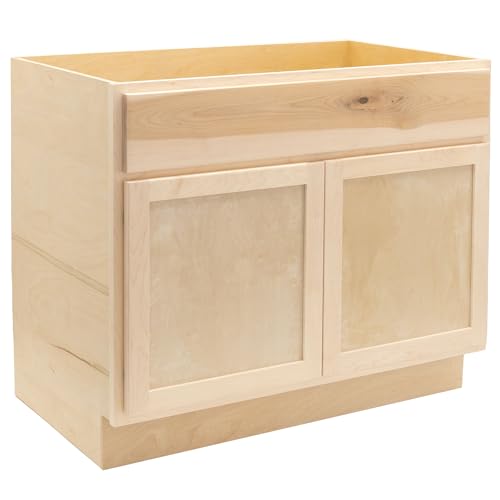
Quicklock RTA (Ready-to-Assemble) | Base Kitchen Cabinets - Shaker Style | Made in America (Raw Maple, 36" Wx34.5 Hx24 D Sink Base)
Check price on Amazon