
Pantry Shelving: The Complete Guide to Organized Kitchen Storage
Transform your pantry into a perfectly organized space. Learn about shelving types, materials, installation methods, and expert organization tips to maximize your kitchen storage.
EXPLORE SHELVING OPTIONSWhy Pantry Shelving Matters for Your Kitchen
A well-designed pantry shelving system is the backbone of an organized kitchen. Unlike standard cabinets, pantry shelving gives you full visibility and easy access to your food items, small appliances, and cooking supplies. Whether you're working with a walk-in pantry, a reach-in closet, or a small kitchen layout, the right shelving configuration can double your usable storage space.
According to home organization experts, the average household wastes 15-20% of pantry space due to poor shelving design. By choosing the right shelving type, material, and configuration, you can eliminate wasted space and create a system that keeps everything visible and accessible. This guide will walk you through every option available, from budget-friendly wire shelving to custom-built cabinet and cabinet door solutions.
If you're planning a full kitchen renovation, understanding pantry shelving is just one piece of the puzzle. For a comprehensive overview, explore our kitchen cabinets guide and discover how pantry storage integrates with your overall kitchen design.
Types of Pantry Shelving: Which Is Right for You?
Not all pantry shelves are created equal. The material and design you choose affect durability, appearance, cost, and functionality. Here are the most popular options:
Wire Shelving
Ventilated steel wire shelves are affordable, easy to install, and allow air circulation. Ideal for humid climates and preventing dust buildup. Best for utility pantries and budget renovations.
Wood Shelving
Solid wood or plywood shelves offer a warm, traditional look. They support heavy items and can be painted or stained to match your kitchen. Best for visible pantry areas.
Laminate Shelving
Particle board with laminate finish provides a smooth, easy-to-clean surface at a moderate cost. Available in many colors and finishes to match your cabinet style and design.
Adjustable Shelving
Shelves that move up and down on tracks or standards. Perfect for adapting to different item heights, from cereal boxes to tall appliances. A must-have for flexible organization.
Pull-Out Shelving
Sliding shelves that pull out like drawers for full access to back items. Excellent for deep pantries and reducing food waste. Requires professional installation.
Corner Shelving
L-shaped or curved shelves designed to maximize corner space. Essential for L-shaped and U-shaped pantries where standard shelves leave dead zones.
💡 Pro Tip: Mix Materials for Best Results
Consider combining wire shelving for utility areas with wood or laminate shelves for visible sections. This gives you the best of both worlds—durability where you need it and beauty where you see it.
Pantry Shelving Materials Compared
Choosing the right material affects longevity, maintenance, and appearance. Here's how the most common options stack up:
| Material | Durability | Moisture Resistance | Cost | Best For |
|---|---|---|---|---|
| Solid Wood | Excellent | Moderate | High | Visible pantries, heavy items |
| Plywood | Very Good | Good | Moderate | General purpose, painted finishes |
| Particle Board | Fair | Poor | Low | Budget projects, dry areas |
| Wire | Good | Excellent | Low | Utility pantries, humid climates |
| Laminate | Good | Very Good | Moderate | Easy-clean surfaces, color matching |
When choosing between materials, consider the plywood vs particle board cabinets comparison for a deeper understanding of construction quality. For pantries that experience humidity, wire or laminate shelving is often the smarter choice. For visible, design-forward pantries, solid wood or high-quality plywood delivers the aesthetic appeal that matches your cabinet color harmony.
Installing Pantry Shelving: What You Need to Know
Proper installation is critical for safety and functionality. A poorly installed shelf can collapse under the weight of canned goods, causing injury and damage. Here's what to consider before you start:
Wall Anchoring
Always anchor shelving into wall studs whenever possible. For heavy loads, use lag bolts or heavy-duty toggle bolts. If you're not sure about your wall type, consult a professional. Our garage cabinets and storage guide covers similar anchoring principles that apply to pantries as well.
Shelf Spacing
Standard pantry shelves are spaced 12-18 inches apart. Vary the spacing based on what you store: 12 inches for cans and jars, 15-18 inches for cereal boxes and appliances, and 20+ inches for bulk items. Adjustable shelving makes this easy to modify as your needs change.
Depth and Width
Most pantry shelves are 12-16 inches deep. Deeper shelves (18-24 inches) work for large appliances but can hide items in the back. If you have deep shelves, consider pull-out inserts or shelving storage solutions that bring items forward.
🔧 Installation Checklist
- Measure your pantry space accurately—width, depth, and height
- Locate wall studs with a stud finder
- Mark shelf heights before drilling
- Use a level to ensure shelves are horizontal
- Anchor into studs for heavy loads
- Test each shelf with weight before loading
Pantry Organization: Making the Most of Your Shelving
Great shelving is only half the battle—how you organize your pantry determines how functional it truly is. Here are proven strategies:
Zone Your Pantry
Divide your pantry into zones: baking, cooking, snacks, and appliances. Keep related items together so you're not running back and forth. Place frequently used items at eye level and heavy items on lower shelves.
Use Clear Containers
Decanting food into clear, stackable containers reduces clutter and lets you see what you have at a glance. This simple change can reduce food waste by up to 30%.
Add Labels
Label shelves and containers to maintain your organization system long-term. This is especially helpful in shared kitchens.
For more design inspiration, explore our cabinet vignette ideas to see how professional organizers style visible storage areas. If your pantry doubles as a display space, the farmhouse kitchen cabinet styling guide offers excellent inspiration for rustic-chic organization.
Consider the open vs closed cabinets debate when planning your pantry. Open shelving makes items visible but requires consistent organization, while closed cabinets hide clutter but reduce visibility.
Recommended Pantry Shelving Products
⚠️ AFFILIATE DISCLOSURE: This website contains affiliate links. As an affiliate Associate, we earn from qualifying purchases. If you make a purchase through these links, we may receive a small commission at no additional cost to you. Read our full affiliate policy.

Sakugi Storage Shelves - 5 Tier Shelf Organizer, Heavy Duty Garage Shelving Unit with Leveling Feet, Stable Metal Shelves Organizer for Pantry, Kitchen and Closet, 33.0" W x 12.6" D x 72.0" H, Black
Check price on Amazon
Amazon Basics 5-Shelf Adjustable Heavy Duty Steel Wire Storage Shelves for Garage, Kitchen, Easy Assembly, 36" x 14" x 72", Black
Check price on Amazon
Amazon Basics 4-Shelf Steel Wire Storage Shelves for Garage, Adjustable Metal Shelving Unit, 200 lbs Per Shelf, 23.2" W x 48" H x 13.4" D, Black
Check price on Amazon
Plano 4-Shelf Plastic Storage Shelves, 48” x 23” x 14”, 200lb Capacity, Pantry, Office, Closet and Garage Shelves, Easy to Assemble, Durable Plastic Shelving Unit
Check price on Amazon
Amazon Basics 5-Shelf Adjustable Heavy Duty Steel Wire Rack, Space Saving Storage Shelving Organizer for Kitchen, Garage, No-Tool Assembly, 350 lbs Weight Capacity, 36" x 14" x 72", Chrome
Check price on Amazon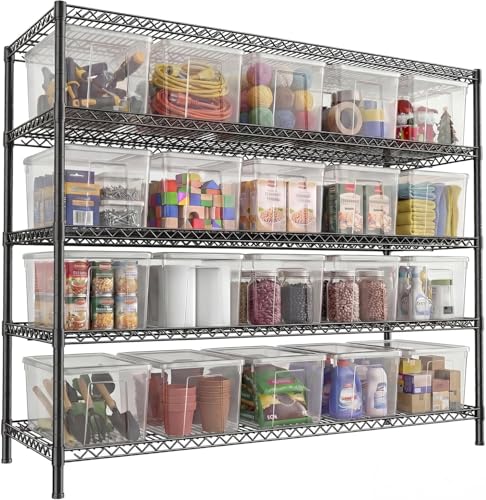
REIBII 3200LBS Storage Shelves 55.5" W Garage Shelving Heavy Duty 5 Tier Adjustable Wire Shelving Unit Metal Shelving for Garage Pantry Commercial Basement,55.5" W X 18''D X 71" H
Check price on Amazon
SINGAYE Metal Shelves Wire Shelving Storage Standing Adjustable Shelf Unit | 5 Tier Mesh Units Shelf for Kitchen Laundry Bathroom Closet Organizers Pantry Narrow Home Rack 10" D x 16" W x 55" H Black
Check price on Amazon
Moforoco White 9-Tier Over The Door Pantry Organizer, Pantry Organization And Storage, Metal Hanging Spice Rack Shelves Door, Home & Kitchen Essentials, Laundry Room Bathroom Organization
Check price on AmazonExplore More Cabinet & Storage Solutions
Pantry shelving is just one aspect of a well-organized home. If you're planning a broader storage upgrade, these resources will help:
- Editor's Choice Cabinets — Our top picks for quality and value
- Highest Rated Cabinets — Community favorites with proven performance
- New Cabinet Releases — The latest innovations in cabinet design
- Trending Cabinet Brands — Brands gaining popularity for good reason
- Shopping & Reviews Hub — All our buying guides in one place
- Cabinet Shelf Liner Installation — Protect your new shelves
- Cabinet Organizer Inserts — Maximize every inch of space
- Pull-Out Cabinet Shelves — Upgrade for easier access
Frequently Asked Questions About Pantry Shelving
The best material depends on your priorities. For durability and appearance, solid wood or high-quality plywood is excellent. For humidity resistance and affordability, wire shelving is hard to beat. Laminate offers a good middle ground with easy cleaning and color matching. Avoid particle board in damp areas, as it swells when exposed to moisture.
Standard pantry shelves are 12-16 inches deep. This depth accommodates most food items, including cereal boxes, cans, and jars, without excessive wasted space. For large appliances or bulk items, 18-24 inches may be needed. If you go deeper than 16 inches, consider pull-out shelves or bins to access items in the back.
Costs vary widely based on material and labor. A basic wire shelving system runs $150–$400 installed. Wood or laminate shelving typically costs $300–$800. Custom pull-out systems can exceed $1,200. DIY installation can save 30-50% of the cost if you have basic carpentry skills and tools.
Yes, many pantry shelving systems are DIY-friendly, especially wire shelving and basic bracket-mounted shelves. However, you'll need to locate studs, use a level, and anchor properly for safety. If you're installing heavy wood shelves or pull-out systems, professional installation is recommended to ensure they're secure and level.
Deep pantries benefit from pull-out shelves, stackable bins, and Lazy Susan turntables. Group items by category and use clear containers so you can see what's in the back. Consider installing a two-tier shelf system where the back row is slightly elevated, making both rows visible. Regular rotation of stock—new items in back, older items in front—prevents food waste.
Final Thoughts: Building a Pantry That Works for You
The perfect pantry shelving system is one that fits your space, your budget, and your lifestyle. Start by assessing what you store most, then choose shelving that accommodates those items efficiently. Don't overlook the importance of adjustable shelves—they're the secret to long-term flexibility.
Whether you're upgrading a small reach-in pantry or designing a spacious walk-in, the principles remain the same: maximize visibility, minimize wasted space, and choose materials that match your environment. With the right shelving, your pantry can transform from a chaotic catch-all into an organized, efficient storage space you'll enjoy using every day.
Ready to take the next step? Explore our installation and accessories hub for tools and hardware that make pantry upgrades easier, or dive into our care and maintenance guide to keep your new shelving looking great for years.