How to Place Cabinets: Spacing & Room Layout Guide
From measuring your space to achieving kitchen balance. Learn how to position the ideal cabinets for your home layout.
Read More →
Discover why inset cabinets are the hallmark of fine kitchen design. Learn about their unique construction, hardware requirements, cost, and how to choose the perfect inset cabinets for your home.
EXPLORE BUYING GUIDECabinetLoop Philosophy: Inset cabinets are not just a style—they are a statement of craftsmanship. We believe that understanding their nuances helps you make a confident investment in your kitchen's future. This guide will walk you through everything you need to know.
Kitchen inset cabinets, also known as flush cabinets, are a style of cabinetry where the door and drawer fronts sit flush inside the face frame, rather than overlapping it. This creates a clean, seamless look that is synonymous with high-end, custom craftsmanship. Unlike overlay cabinets, where the door covers the frame, inset doors are precisely fitted to sit within the frame's opening, often with a small reveal or gap around the edges. This traditional technique dates back to early cabinetmaking and remains a top choice for those seeking a timeless, furniture-like aesthetic. If you're considering a kitchen upgrade, understanding the different cabinet styles is crucial, and inset cabinets represent the pinnacle of refined design. For those looking at framed cabinets, inset is a specific, premium subtype.
Inset cabinets offer a furniture-quality look that never goes out of style. The flush alignment creates a smooth, uninterrupted surface that feels both luxurious and welcoming.
Because each door and drawer must be custom-fitted to its specific opening, inset cabinets require a higher level of skill and precision, showcasing true artisanal quality.
With the door sitting inside the frame, the frame itself provides structural support and protection, often leading to a longer-lasting cabinet system.
Inset cabinets work beautifully with a wide range of hardware styles, from classic exposed hinges to modern flush pulls. They can be painted, stained, or left natural to suit any cabinet style.
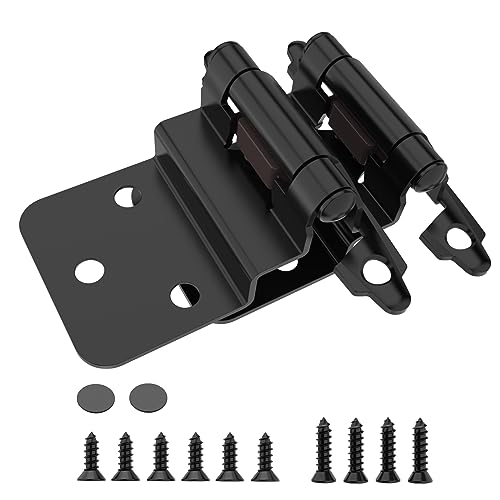
One of the most critical aspects of inset cabinets is the hardware. Because the doors sit flush, they require specific hinges—typically exposed or concealed European-style hinges that allow for precise adjustment. Exposed hinges, like decorative butt hinges or butterfly hinges, are often used to accentuate the traditional look. For a more modern feel, concealed hinges can be used, but they must be carefully installed to maintain the flush appearance. When choosing pulls and knobs, consider that brass cabinet pulls or appliance pulls can add a touch of elegance. The reveal (the small gap around the door) is another design element; a standard reveal is about 1/8 inch, but some designers opt for a tighter or wider reveal for a different visual effect. Proper drawer slide hardware is also essential for smooth operation.
| Feature | Inset Cabinets | Overlay Cabinets |
|---|---|---|
| Door Position | Flush inside the frame | Overlaps the frame |
| Craftsmanship | High (custom fitting required) | Moderate (more forgiving) |
| Cost | $800–$2,500+ per linear foot (custom) | $200–$800 per linear foot (stock/semi-custom) |
| Hardware | Exposed or concealed hinges; precise adjustment | Concealed hinges; easier adjustment |
| Aesthetic | Timeless, furniture-like, seamless | Contemporary, versatile, covers frame |
Inset cabinets are a premium option. Their cost reflects the additional labor and precision required. For a typical kitchen, you can expect to pay between $800 and $2,500 per linear foot for custom inset cabinets. This is significantly higher than stock or semi-custom overlay cabinets, which can range from $200 to $800 per linear foot. Factors influencing the final price include the wood species (e.g., walnut or oak), the finish (painted vs. stained), the complexity of the layout, and the type of hardware. If you are remodeling, it's wise to estimate kitchen remodel cost carefully to account for this investment. For those on a tighter budget, affordable cabinets might be a better fit, but they often lack the inset style's distinctive look.
Installing inset cabinets is a job best left to professionals. The precision required to ensure all doors and drawers sit perfectly flush without rubbing is immense. Humidity changes can also affect the fit, so proper acclimation of the wood is essential. If you're planning a kitchen upgrade with inset cabinets, be prepared for a longer lead time and a higher installation cost. Also, consider the impact on your kitchen's layout; inset cabinets can be less forgiving if your walls are not perfectly square. Working with an experienced installer is key. For those who love the inset look, you might also explore European kitchen cabinets, which offer a frameless alternative with a similar sleek aesthetic.
⚠️ AFFILIATE DISCLOSURE: This website contains affiliate links. As an affiliate Associate, we earn from qualifying purchases. If you make a purchase through these links, we may receive a small commission at no additional cost to you. Read our full affiliate policy.


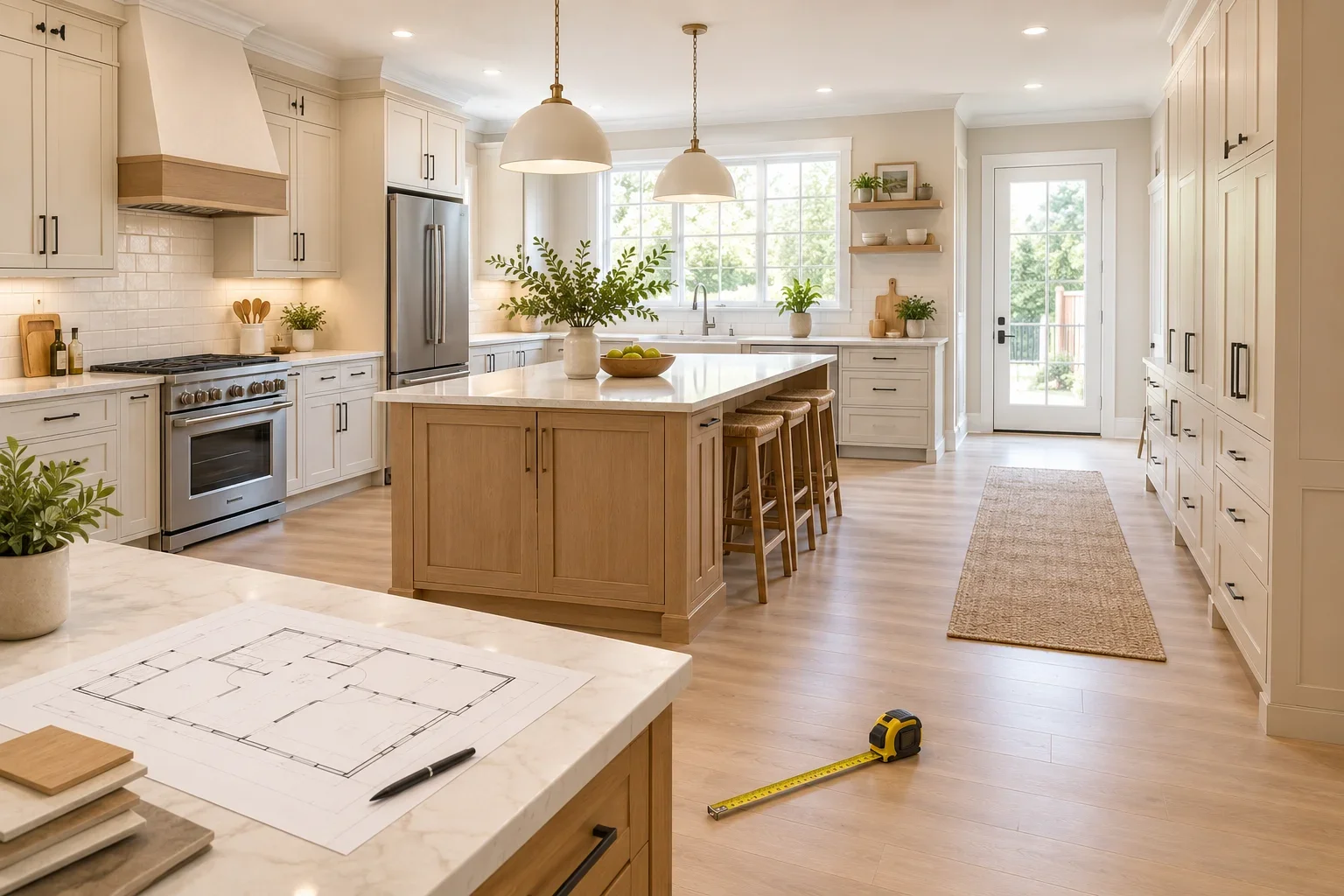
From measuring your space to achieving kitchen balance. Learn how to position the ideal cabinets for your home layout.
Read More →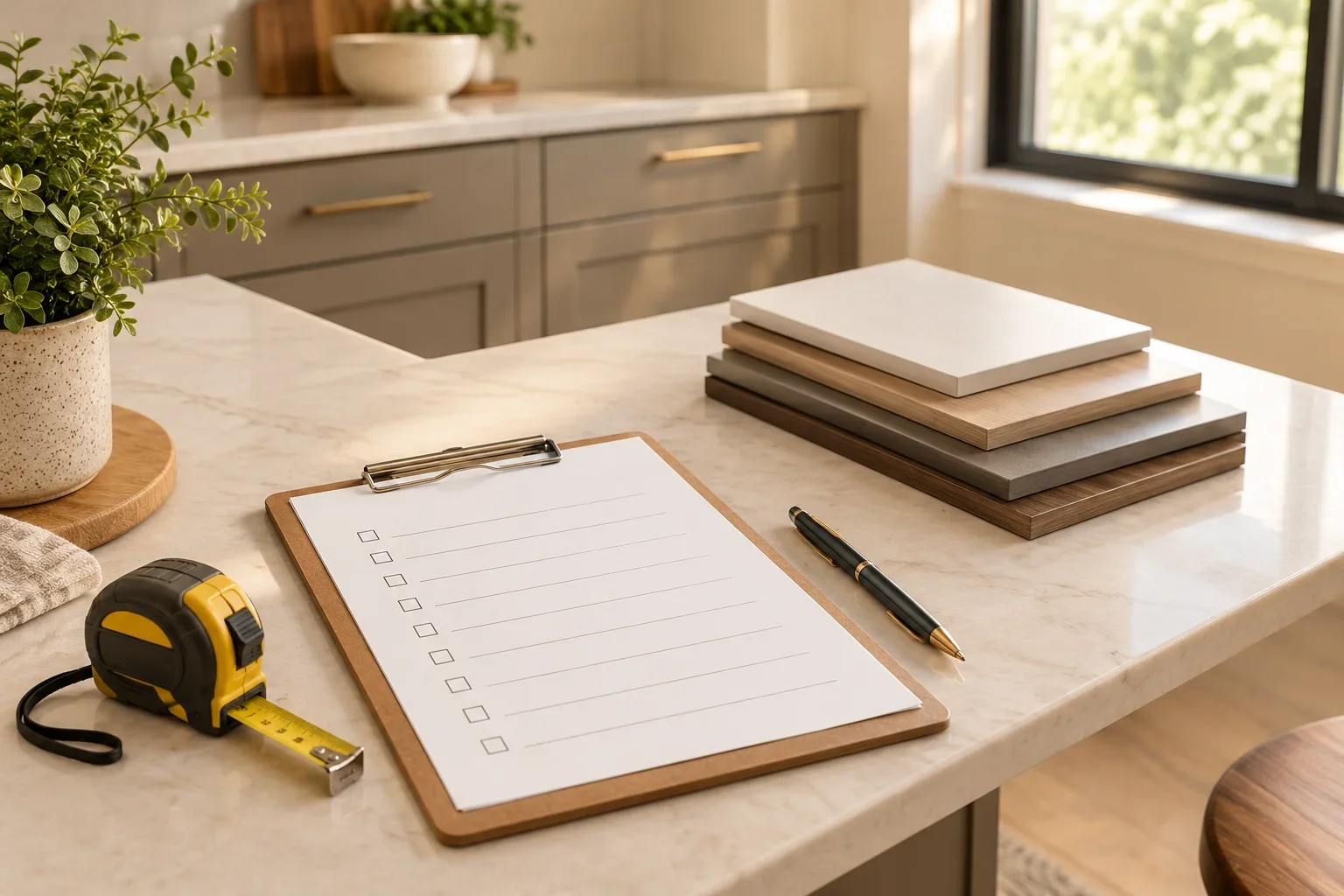
Don't miss a single essential! Our comprehensive first cabinet checklist covers size, material type, hardware, and must-have kitchen accessories.
Read More →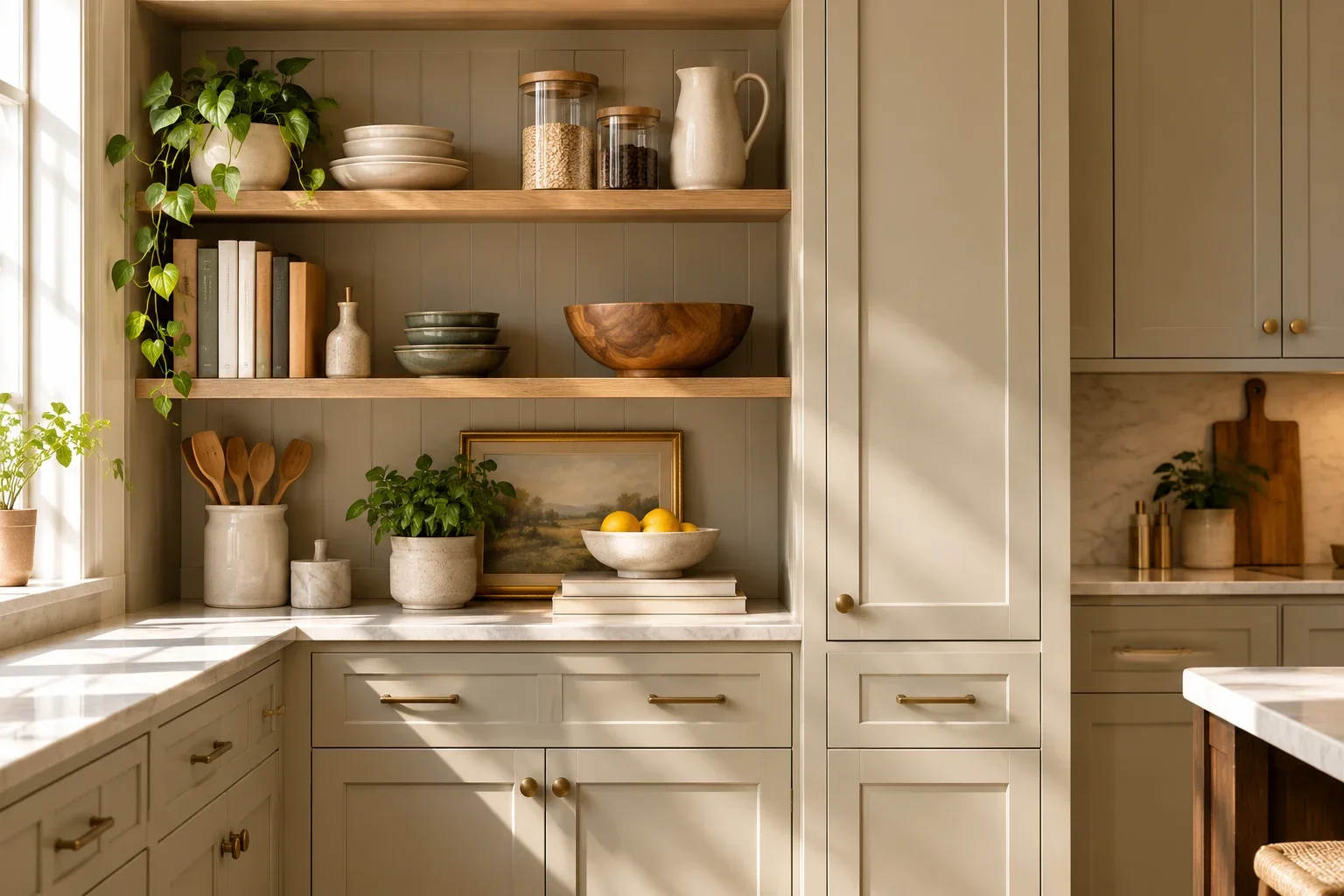
Master the art of cabinet styling with our easy-to-follow guides for contemporary, classic, and eclectic kitchens.
Read More →For those looking to contrast inset with other styles, you might explore cheap storage cabinets for budget-friendly options, or antique cabinets for a different vintage feel. If you're considering a full kitchen overhaul, our guide on replacing kitchen cabinets offers step-by-step advice. For a broader view on cabinet construction, see cabinet kitchen resources. And for a sleek, modern alternative, glass kitchen cabinets can provide a similar seamless look with a different material.
The information provided on CabinetLoop is for educational and informational purposes only. We are not professional interior designers or cabinet technicians, and our content should not replace professional advice. Always consult with a qualified expert regarding cabinet compatibility, safety, or technical concerns. Some content may use AI assistance. Always check product warranties and safety standards before purchasing. If you do not agree, please do not use this website. Read the full disclaimer.