
Kitchen Cupboards to Ceiling: The Ultimate Guide to Floor-to-Ceiling Cabinets
Maximize your kitchen's storage and style with our comprehensive guide to ceiling-height cupboards. Learn about design, installation, and the best options for your home.
Explore the GuideWhy Go to the Ceiling? Kitchen cupboards that extend to the ceiling are more than just a design trend—they are a smart investment in your home's functionality and value. This guide will walk you through everything you need to know, from the benefits and design options to installation tips and cost considerations, helping you make an informed decision for your kitchen renovation.
What Are Kitchen Cupboards to Ceiling?
Kitchen cupboards to ceiling, also known as floor-to-ceiling cabinets or tall kitchen cabinets, are storage units that extend from the floor all the way to the ceiling. Unlike traditional cabinets that leave a gap at the top (often used for dusty storage or left empty), these cupboards utilize every inch of vertical space. This design approach is particularly popular in modern and contemporary kitchen designs, where clean lines and maximized storage are key priorities.
This style of cabinetry is often custom-made to fit the exact height of your ceiling, but you can also find semi-custom or stock options that can be adapted with a filler panel or crown molding. The result is a seamless, built-in look that can make your kitchen feel taller and more spacious.
Key Benefits of Ceiling-Height Kitchen Cupboards
Choosing to extend your kitchen cupboards to the ceiling offers a multitude of advantages that go beyond mere aesthetics. Here are the primary benefits you can expect:
- Maximized Storage Space: The most obvious benefit is the additional storage. You gain an entire extra shelf or two of space, perfect for items you don't use daily, such as holiday dishes, large platters, or bulk pantry goods. This can be a game-changer, especially in small kitchen pantry areas or compact kitchens.
- Enhanced Aesthetics: Floor-to-ceiling cabinets create a clean, uninterrupted visual line that makes a kitchen feel more cohesive and custom. It eliminates the awkward, dust-collecting gap above standard cabinets, resulting in a sleek and polished look.
- Easier Cleaning: No more climbing on ladders to clean the tops of cabinets! With cupboards that reach the ceiling, there's no flat surface to collect grease, dust, and grime, making your kitchen easier to maintain.
- Increased Home Value: This is considered a high-end, custom feature. Potential buyers often see it as a sign of a well-designed, thoughtful kitchen, which can be a significant selling point.
- Improved Room Proportions: By drawing the eye upward, ceiling-height cabinets can make a room feel taller and more expansive. This is particularly effective in kitchens with standard or low ceilings.
If you're considering a larger kitchen overhaul, knowing the estimated kitchen remodel cost is a crucial first step, and ceiling-height cabinets are a key line item to consider.
Design Options for Floor-to-Ceiling Cupboards
There are several ways to achieve the floor-to-ceiling look, each with its own set of pros and cons. The best choice for you will depend on your budget, ceiling height, and desired style.
1. Custom Cabinets
Custom cabinets are built specifically for your space, ensuring a perfect fit from floor to ceiling. They offer the most flexibility in terms of design, materials, and finishes. You can choose everything from the wood species to the door style and hardware. While this is the most expensive option, it provides the highest quality and a truly bespoke look. For those looking for a specific look, exploring European kitchen cabinets can provide excellent inspiration for sleek, handle-less designs that work beautifully to the ceiling.
2. Semi-Custom Cabinets
Semi-custom cabinets are a great middle-ground. They are made in standard sizes but can be modified in height, width, and depth. You can often add a "tall cabinet" option to your order that extends to a standard ceiling height, and then use crown molding to fill any small gaps. This is a more affordable option than fully custom cabinetry while still offering a high degree of personalization.
3. Stock Cabinets with Modifications
For a budget-friendly approach, you can use stock cabinets and stack them. For example, you can place a standard wall cabinet on top of another wall cabinet to reach the ceiling. You can also use a tall pantry cabinet as a starting point. The key is to use filler panels and crown molding to create a seamless, built-in appearance. This is a popular DIY approach, but it requires careful planning and a good eye for detail.
4. Open Shelving to Ceiling
If you prefer a more open and airy feel, you can combine closed cabinets with open shelving that extends to the ceiling. This is perfect for displaying decorative items, cookbooks, or frequently used dishes. It's a great way to break up the visual weight of a full wall of cabinetry. You can find more ideas for kitchen windows above sinks to integrate this concept.
Factors to Consider Before You Buy
Before you commit to kitchen cupboards to ceiling, there are several important factors to evaluate:
- Ceiling Height: Standard ceiling height is 8 feet (96 inches). Most stock cabinets are 84 inches tall, leaving a 12-inch gap. If your ceilings are higher, you'll need custom or stacked cabinets. If they are lower, you may need to cut down cabinets, which is not ideal.
- Budget: The cost of ceiling-height cabinets varies widely. Stock cabinets with modifications might cost around $1,500 to $3,000. Semi-custom could range from $3,000 to $7,000, while fully custom cabinetry can easily exceed $10,000. For a more affordable option, you might consider affordable cabinets and plan your layout carefully.
- Accessibility: The top shelves will require a step stool or ladder to reach. This makes them ideal for infrequently used items. If you have mobility issues, you may want to reconsider or designate the top shelves for lightweight, decorative items.
- Design Style: This look works best in modern, transitional, and contemporary kitchens. In a very traditional or rustic kitchen, it can still work but may require careful design to avoid looking bulky. For a truly modern look, explore luxury modern kitchen designs.
- Lighting: Tall cabinets can block natural light. Ensure your kitchen has adequate lighting, and consider adding kitchen upgrade features like under-cabinet lighting to brighten work surfaces.
Installation Tips for Ceiling-Height Cupboards
Installing floor-to-ceiling cabinets is a significant project. If you're not experienced with carpentry and electrical work, it's best to hire a professional. However, if you're planning a DIY installation, here are some key tips:
- Measure Precisely: Measure your ceiling height in multiple spots, as ceilings are often not perfectly level. Use the lowest measurement to ensure your cabinets will fit.
- Use a Cabinet Jack: Lifting tall cabinets into place is a two-person job. A cabinet jack can make this much safer and easier.
- Secure to Studs: Always secure cabinets to wall studs, not just drywall. Use appropriate screws and anchors. For more details, you can refer to our cabinet installation guide.
- Plan for Crown Molding: Crown molding is often used at the top to create a finished look and to cover any gaps between the cabinet and the ceiling. This is a crucial step for a professional appearance.
- Consider Electrical: If you want to add lighting inside or under the cabinets, you'll need to plan for electrical work. This is often best left to a licensed electrician.
If you're replacing old cabinets, you might also need to consider replacing kitchen cabinets as part of your project, which involves proper disposal and potentially updating plumbing or electrical.
Styling Your Floor-to-Ceiling Cabinets
Once your cabinets are installed, the fun part begins: styling them. Here are some ideas to make the most of your new storage:
- Create a Library Ladder: For a truly custom look, install a library ladder on a rail. This is both functional and a stunning design feature.
- Use the Top Shelves for Display: Dedicate the top shelves to decorative items like vases, baskets, or a collection of cookbooks.
- Integrate a Hidden Pantry: A section of your floor-to-ceiling cabinets can be designed as a hidden pantry door, concealing a small walk-in pantry or a dedicated storage area.
- Mix Open and Closed: Combine closed cabinets with a few open shelves to break up the visual weight and display your favorite items.
- Add Lighting: Install LED strip lighting under the cabinets or inside glass-front cabinets to highlight your dishes and create ambiance. You can find more ideas in our glass kitchen cabinets guide.
Cost of Kitchen Cupboards to Ceiling
The cost of installing kitchen cupboards to the ceiling can vary significantly based on the materials, design, and whether you choose custom, semi-custom, or stock options. Here's a general breakdown:
- Stock Cabinets with Modifications: $1,500 – $3,500
- Semi-Custom Cabinets: $3,000 – $7,500
- Custom Cabinets: $8,000 – $25,000+
These prices typically include the cabinets themselves but may not include installation, crown molding, or any electrical work. For a more accurate estimate, it's best to consult with a few local cabinet makers or contractors. If you're on a tighter budget, you might explore cheap storage cabinets as a starting point, but keep in mind that modifications to reach the ceiling may add to the cost.
Conclusion
Kitchen cupboards to ceiling are a fantastic way to enhance both the form and function of your kitchen. They offer unparalleled storage, a sleek aesthetic, and can even increase your home's value. While the initial investment may be higher than standard cabinets, the long-term benefits often outweigh the cost. By carefully considering your ceiling height, budget, and design style, you can create a kitchen that is both beautiful and highly functional. Whether you choose custom, semi-custom, or a clever stock cabinet solution, the result will be a kitchen that feels more spacious, organized, and tailored to your life.
If you're looking for more inspiration, explore our guides on cabinet kitchen design and wholesale kitchen units to find the perfect fit for your home.
Recommended Floor-to-Ceiling Kitchen Cabinets
⚠️ AFFILIATE DISCLOSURE: This website contains affiliate links. As an affiliate Associate, we earn from qualifying purchases. If you make a purchase through these links, we may receive a small commission at no additional cost to you. Read our full affiliate policy.

IDEALHOUSE 70" Kitchen Pantry Storage Cabinet with 3 Adjustable Shelves | Farmhouse Kitchen Cabinet with 4 Doors, Freestanding Cupboard for Dining Room,Living Room, White
Check price on Amazon
Tivostaral 71” Metal Kitchen Pantry Storage Cabinet with Adjustable Shelves
Check price on Amazon
CHOEZON Hanging Pot Rack, Ceiling Wall Mounted Pot Rack for Kitchen, Industrial Style Pot Hanger with 18 Hooks, Cookware Storage Organizer, for Pots and Pans, Rustic Brown and Black TPR12BFC1
Check price on Amazon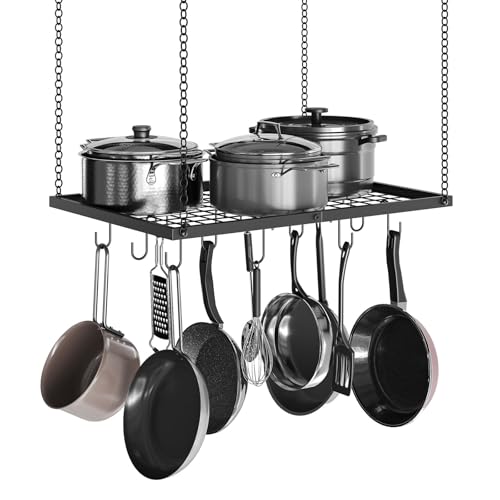
CHOEZON Hanging Pot Rack, Ceiling Mounted Pot Hanger for Kitchen, Metal Cookware Storage Organizer with 12 Hooks, for Storage of Cookware, Utensils in Kitchen, 23.7" L, Black TPR03BB
Check price on Amazon
SWLJKU 71" Tall Metal Storage Cabinet with Doors, Steel Kitchen Pantry Cupboard with Adjustable Shelves, Floor to Ceiling Organizer for Living Room, Office, Garage (White)
Check price on Amazon
Sauder HomePlus Storage Cabinet/ Pantry cabinets, Soft White finish
Check price on Amazon
Romeda 90 Pcs White Ceiling Hooks kit, 6 Sizes Vinyl Coated Screw-in Plant, Kitchen, Cup, Ceiling Hooks for Hanging (1/2in, 5/8in,3/4in,7/8in,1'',1-1/4in)
Check price on Amazon