
Entryway Bench Buying Guide: Styles, Materials & Storage
Transform your entryway into a functional and stylish space. Learn how to choose the perfect bench for seating, storage, and organization in your home.
Why an Entryway Bench Matters: Your entryway is the first thing guests see and the last place you touch before leaving home. A well-chosen bench provides seating for putting on shoes, storage for clutter, and a welcoming focal point. This guide walks you through every consideration—from size and style to materials and storage features—so you can make a confident purchase.
What Is an Entryway Bench?
An entryway bench is a versatile piece of furniture designed specifically for foyers, mudrooms, and hallways. Unlike a standard entryway cabinet that prioritizes enclosed storage, a bench combines seating with organizational features. Most models include shoe storage underneath, hooks for coats, or cubbies for bags and accessories.
The best entryway benches solve a universal problem: where to put shoes, bags, and outerwear without creating visual chaos. Whether you have a spacious mudroom or a narrow apartment hallway, there's a bench design that fits your space and lifestyle. For those who prefer a more traditional storage approach, an entrance way cabinet offers a taller footprint with doors and drawers.
Types of Entryway Benches
Entryway benches come in several distinct configurations, each suited to different spaces and needs. Understanding these types helps you narrow down your options before you buy.
Storage Bench
The most popular choice. Features a hinged lid that opens to reveal a compartment for shoes, bags, and seasonal items. Ideal for hiding clutter while providing comfortable seating.
$150–$600Shoe Bench
Designed with open shelves or cubbies specifically for shoe storage. Often includes a cushioned seat on top. Perfect for families with multiple pairs of shoes in daily rotation.
$100–$400Upholstered Bench
A padded bench with fabric or leather upholstery. Prioritizes comfort and aesthetics over storage. Best for entryways where seating is the primary need.
$200–$800Bench with Hooks
Combines seating with a back panel featuring coat hooks. A complete mudroom solution in one piece. Often includes a top shelf for hats and baskets.
$250–$900Corner Bench
L-shaped design that maximizes corner spaces. Great for small entryways where every inch counts. Can be custom-built or purchased as a modular unit.
$300–$1,200Floating Bench
Wall-mounted with no legs, creating a sleek, modern look. Floor space underneath remains open for shoes or baskets. Requires secure wall anchoring.
$180–$700Materials: Which Is Right for Your Entryway?
The material you choose affects durability, maintenance, and style. Entryway benches endure heavy daily use—sitting, shoe scuffs, wet umbrellas, and pet traffic—so choosing a resilient material is essential.
- Solid Wood (Oak, Maple, Birch): The most durable option. Resists warping and holds up to heavy use. Pairs beautifully with cabinet style design principles. Expect to pay $400–$1,500.
- Engineered Wood (MDF, Particle Board): Affordable and uniform. Best for budget-conscious buyers. Less resistant to moisture—avoid in humid entryways. Learn more in our plywood vs particle board cabinets comparison. Price range: $100–$350.
- Metal (Steel, Iron): Industrial aesthetic with exceptional durability. Often paired with wood tops. Powder-coated finishes resist rust. Ideal for modern or industrial styled homes. Price range: $200–$800.
- Upholstered Fabric (Linen, Cotton, Velvet): Soft and comfortable but requires more maintenance. Choose stain-resistant fabrics for high-traffic areas. Removable covers are a plus. Price range: $150–$700.
- Leather or Faux Leather: Easy to wipe clean and develops a rich patina over time. Faux leather offers similar looks at a lower cost. Price range: $250–$1,000.
Size & Placement: Getting the Fit Right
Before purchasing, measure your entryway carefully. A bench that's too large will crowd the space; one that's too small won't serve its purpose. Consider traffic flow design principles—you need at least 36 inches of clearance for walkways.
| Entryway Size | Recommended Bench Length | Best Configuration |
|---|---|---|
| Small (under 5 ft wide) | 24–36 inches | Floating bench or shoe bench |
| Medium (5–8 ft wide) | 40–52 inches | Storage bench with cubbies |
| Large (8+ ft wide) | 60–72 inches | Bench with hooks and top shelf |
| Corner space | Custom L-shape | Corner bench with storage |
Standard bench height is 18–20 inches from the floor to the seat—the same as a typical dining chair. Depth ranges from 15–20 inches. For narrow hallways, look for benches with a depth of 14 inches or less. If you're planning a larger renovation, consider how your bench integrates with small kitchen layouts and adjacent cabinetry.
Storage Features to Look For
Storage is often the deciding factor in choosing an entryway bench. Here are the most common configurations and what they offer:
Flip-Top Storage
A hinged seat that lifts to reveal a large compartment. Best for storing items you don't need daily access to—out-of-season shoes, sports gear, or cleaning supplies.
Open Cubbies
Divided shelves for shoes, bags, or baskets. Keeps daily items visible and accessible. Ideal for families with children who need to grab their own shoes.
Drawers
Concealed storage for smaller items like keys, leashes, and mail. Adds a polished, furniture-like appearance. Soft-close cabinet drawer slides are a premium feature worth seeking.
Integrated Hooks
Coat hooks mounted above or beside the bench. Some models include a top shelf for hats, baskets, or decorative items. Maximizes vertical storage.
Shoe Racks
Slanted or tiered shelves designed specifically for footwear. Keeps shoes organized and off the floor. Some benches combine open shoe racks with a closed storage compartment.
Baskets & Bins
Removable fabric or wicker baskets that slide into cubbies. A flexible storage solution that's easy to clean and reconfigure. Often sold separately or as a set.
Style Considerations for Your Home
Your entryway bench should complement your home's overall aesthetic. Consider these popular style directions:
For a farmhouse kitchen cabinet styling approach, choose a bench with distressed wood, X-brace legs, and a neutral palette. A contemporary kitchen cabinet styling look calls for clean lines, floating designs, and minimal hardware. If your home leans Nordic kitchen cabinet styling, opt for light woods, white finishes, and simple silhouettes.
Color also plays a role. A neutral cabinet palette keeps the entryway calm and cohesive, while a bold cabinet palette can make the bench a statement piece. For a balanced approach, explore cabinet color harmony principles. If you want to tie the bench into a broader design scheme, two-tone cabinet design ideas can inspire a bench that pairs a wood seat with a painted base.
Buying Tips: What to Check Before You Purchase
- Weight Capacity: Check the manufacturer's weight limit. A bench should support at least 250 pounds for safe daily use. Heavy-duty models support 400+ pounds.
- Assembly Requirements: Some benches arrive fully assembled; others require significant assembly. Factor in time and tools needed. Flat-pack models are common in the $100–$300 range.
- Hardware Quality: Look for solid metal hinges and cabinet hardware that won't loosen over time. Soft-close hinges are a worthwhile upgrade for flip-top benches.
- Finish Durability: Painted finishes should be sealed to resist scuffs. Stained wood should have a protective topcoat. Learn about paint vs stain cabinets to understand the trade-offs.
- Cleaning & Maintenance: Upholstered benches need regular vacuuming; wood benches need occasional polishing. Consider how much maintenance you're willing to do.
- Return Policy: Furniture returns can be costly. Check the return window and whether return shipping is covered before you buy.
Frequently Asked Questions
Most entryway benches are 18–20 inches high, matching standard chair seat height. This allows comfortable seating for most adults. If the bench is primarily for children, a height of 14–16 inches may be more appropriate.
A depth of 15–20 inches is standard. For narrow hallways, look for benches 12–14 inches deep. Deeper benches (20+ inches) offer more storage but may obstruct walkways in tight spaces.
Absolutely. If you already have adequate storage elsewhere—such as an entryway cabinet or closet—a simple upholstered or wooden bench provides seating without adding bulk. This is ideal for minimalist entryways.
Use baskets or bins in open cubbies to contain smaller items. Assign each family member their own cubby or hook. Rotate seasonal items out of flip-top storage. A cabinet shelf riser can double storage space inside a deep compartment.
Entryway benches are typically smaller and designed for front foyers. Mudroom benches are larger, often with more storage and hooks, designed for high-traffic back entrances. The terms are sometimes used interchangeably.
Benches without backs are more compact and versatile. Benches with backs (often with hooks) provide more storage and a defined mudroom look but require more space. Choose based on your available wall space and storage needs.
Recommended Entryway Benches
⚠️ AFFILIATE DISCLOSURE: This website contains affiliate links. As an affiliate Associate, we earn from qualifying purchases. If you make a purchase through these links, we may receive a small commission at no additional cost to you. Read our full affiliate policy.

Homleke Shoe Storage Bench, 4 Doors & Thickened Padded Seat Cushion | 2-Tier Shoe Bench, Entryway Bench, Adjustable Shelf, 13.8" D x 45.3" W x 18.5" H, for Living Room, Bedroom, White
Check price on Amazon
HOKYHOKY Reclaimed Solid Wood Bench-43.3" Entryway Bench with Storage Shelf | Farmhouse Narrow Rustic Bench, Hallway, Kitchen, Bedroom, Dining, Indoor
Check price on Amazon
VASAGLE Storage Bench with Cushion, Shoe Bench,11.8 x 31.5 x 17.3 Inches | Padded Seat, Hidden Storage, Hold up to300 lb, Entryway, Rustic Brown and Ink Black, CUSTOS Collection ULHS30BX
Check price on Amazon
YATINEY Shoe Bench, 3-Tier Shoe Rack, Entryway Bench with Storage and Cushion, for Hallway, Foyer, Bedroom, Black HX02BB
Check price on Amazon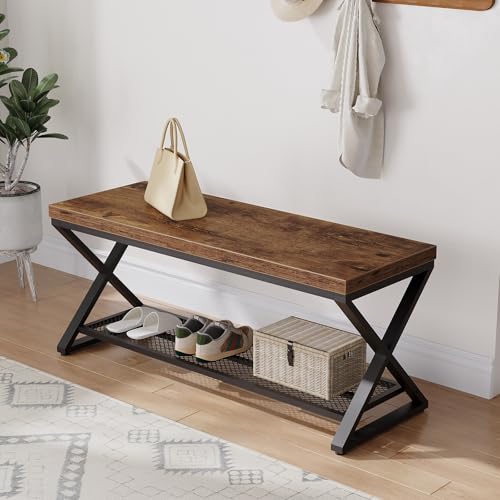
LVB Rustic Brown Entryway Bench, 39" Industrial Shoe Bench with Storage | Wood and Metal Shoe Rack Bench with Seating for Foyer Entrance, Farmhouse Wooden Bench for Hallway Living Room Bedroom
Check price on Amazon
Pipishell 3 Tier Bamboo Shoe Rack Bench for Entryway, Brown | 100% natural bamboo, sturdy and durable, 300 lbs weight capacity, space-saving shoe organizer, easy assembly, holds 6–8 pairs
Check price on Amazon
HOOBRO Shoe Storage Bench with Cushion, 39.4" L Entryway Bench with 12 Cubbies, Entryway Hall Tree with Storage, Shoe Cabinet with Coat Rack for Bedroom, Hallway, Holds up to 330 lb, BF112HX01G1
Check price on AmazonFinal Thoughts: Choosing Your Perfect Entryway Bench
An entryway bench is more than furniture—it's a daily-use tool that keeps your home organized and welcoming. Start by measuring your space and identifying your primary need: seating, storage, or both. Then choose a material that matches your lifestyle and a style that complements your home.
For related reading, explore our guides on shoe racks, sideboards, and armoires—all of which can work alongside a bench to create a complete entryway system. If you're also updating other areas, our cabinet style design hub offers inspiration for every room. And when you're ready to buy, the recommended products above are a great starting point.