
Display Shelving for Retail Stores: The Ultimate Buying Guide
Transform your retail space with the right shelving. Learn how to choose display shelving that boosts product visibility, enhances customer experience, and drives sales. From gondola units to wall-mounted systems, we cover everything you need to know before you buy.
Shop Recommended ShelvingCabinetLoop Retail Insight: The right display shelving is more than just storage—it's a strategic merchandising tool. Well-designed retail shelving can increase product browsing time by up to 30%, directly impacting your bottom line. This guide will walk you through every consideration, from material durability to layout optimization, so you can make an informed investment.
Recommended Display Shelving for Retail Stores
⚠️ AFFILIATE DISCLOSURE: This website contains affiliate links. As an affiliate Associate, we earn from qualifying purchases. If you make a purchase through these links, we may receive a small commission at no additional cost to you. Read our full affiliate policy.

DioOnes 51" 5-Tier Wood & Metal Gondola Shelving Unit, Retail Display Rack | Heavy-duty boutique display for pharmacy or grocery. Adjustable shelves & wood grain finish. Size: 47"L x 24"W x 51"H.
Check price on Amazon
SUPERJARE Triple Bookshelf, Bookcase with 11 Open Display Shelves, Wide Book Shelf Book Case for Home & Office, 4 Tier, Brown
Check price on Amazon
NectaCol Pegboard Display Stand, Gondola Retail Shelving Wall Display for Convenient Grocery Office Supply or Liquor Stores, Single Side Peg Board Panels, Extra 20 Hooks, No Including 4 Shelves
Check price on Amazon
Tribesigns 4-Tier Retail Snack Display Shelf, Snack Rack Display Stand with 4 Hooks, Retail Shelves Racks for Vendors, Store, Supermarket and Home Kitchen
Check price on Amazon
Eastern Tree Pegboard Display Stand, 4x6.5 Feet Gondola Retail Shelving Wall Display for Convenient Grocery Office Supply or Retail Stores, Standing Peg Board Display Rack with 30 Hooks, No 4 Shelves
Check price on Amazon
5 Tier Retail Candy Display Rack Metal Storage Shelf with Wheels & 15 Hooks Concession Candy Snack Display Racks Sturdy and Stable Chip Shelf Rack for Stores, Kitchen, Office (5 Tier Black 50cm)
Check price on Amazon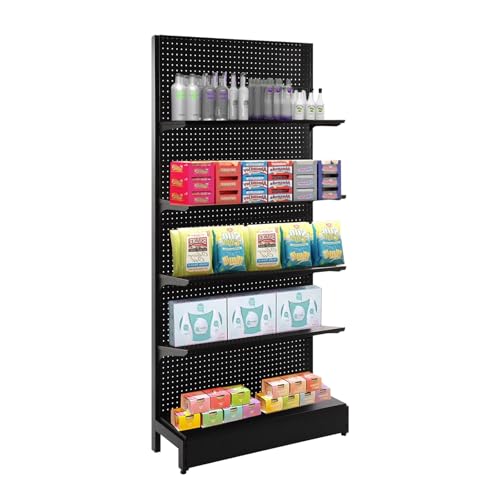
Eastern Tree Pegboard Display Stand, 3x6.5 Feet Gondola Retail Shelving Wall Display for Convenient Grocery Office Supply or Retail Stores, Standing Peg Board Display Rack, No Including 4 Shelves
Check price on Amazon
HAOWUJIN 3 Tier Staight Retail Table Display Stands Farmers Market Display Shelf for Food & Merchandise, Portable Retail Display Shelves for Retail Stores & Vendors for Cupcake Stand, Craft Shows
Check price on AmazonWhy Display Shelving is Critical for Retail Success
In the competitive world of retail, how you present your products can be just as important as the products themselves. Display shelving for retail stores serves multiple purposes: it organizes inventory, highlights key items, and creates a navigable, pleasant shopping experience. According to retail studies, customers are more likely to make unplanned purchases when products are clearly visible and easily accessible. The right shelving system can turn a cluttered store into a streamlined, profit-generating space.
When you invest in quality retail display shelving, you're not just buying furniture—you're building the foundation of your store's visual merchandising strategy. Whether you run a boutique clothing shop, a convenience store, or a specialty electronics outlet, the shelving you choose impacts everything from inventory management to customer flow. For those looking to create a cohesive retail environment, exploring options like wall display cases can provide secure, elegant solutions for high-value items.
Types of Display Shelving for Retail Stores
Understanding the different types of retail shelving is the first step toward making the right choice. Each type offers unique advantages depending on your store layout, product types, and budget. Below, we break down the most common and effective options available in today's market.
1. Gondola Shelving
Gondola shelving is the backbone of most retail environments. These freestanding units typically feature a central spine with shelves on both sides, making them ideal for aisles in supermarkets, pharmacies, and department stores. They are highly versatile, allowing you to adjust shelf heights and add accessories like bins, dividers, and pegboards. Gondola units maximize floor space efficiency and are excellent for displaying a wide range of products. If you're setting up a store that also includes specialty sections, consider how glass door bookcase cabinets can complement your gondola layout for premium product displays.
2. Wall-Mounted Shelving
Wall shelving systems attach directly to your store's walls, freeing up valuable floor space and creating a clean, organized look. They are perfect for smaller retail stores or boutiques where maximizing every square foot is essential. Wall-mounted units can be configured with brackets, standards, and shelf boards to suit your specific needs. For retailers who also sell home goods or furniture, integrating freestanding wall units for living room displays can create an inviting, lifestyle-oriented shopping experience.
3. Island and Endcap Displays
Island displays are freestanding units placed in open areas to attract attention and encourage browsing. Endcaps, on the other hand, are positioned at the ends of aisles and are prime real estate for promoting seasonal items, special offers, or new arrivals. These display types are excellent for driving impulse purchases. When planning your store layout, think about how endcaps can work in harmony with other fixtures, such as small bar cabinets for home that might be used in a tasting or demo section of your store.
4. Modular and Custom Shelving
Modular shelving systems offer the ultimate flexibility. You can start with a basic configuration and expand or reconfigure as your inventory and store layout evolve. Custom shelving, while more expensive, allows you to create a truly unique retail environment that aligns perfectly with your brand identity. For stores that carry specialized items, such as antique or vintage goods, custom solutions similar to antique wardrobes can add character while providing functional display space.
Key Factors to Consider Before Buying
Before you make a purchase, it's crucial to evaluate several factors to ensure you get the best value and functionality for your specific retail setting.
Material & Durability
Retail shelving must withstand daily wear and tear. Steel shelving is the most durable and is ideal for high-traffic stores. Wood shelving offers a warmer, more upscale look but requires more maintenance. Laminate and melamine are budget-friendly options that mimic wood but are less resilient. Consider your store's environment—humidity, temperature, and customer volume—when choosing materials.
Weight Capacity
Different products require different weight capacities. Heavy items like tools, appliances, or bulk goods need heavy-duty shelving, while lightweight items like clothing or accessories can use standard-duty units. Always check the manufacturer's weight rating per shelf and ensure it aligns with your inventory. Overloading shelves can lead to sagging, breakage, and safety hazards.
Adjustability
Adjustable shelves are a must for any retail store. As your inventory changes, you'll want the flexibility to move shelves up or down to accommodate different product sizes. Look for shelving systems with standard peg holes or slotting systems that allow for quick and easy adjustments without tools.
Aesthetics & Branding
Your shelving should complement your store's overall design and brand image. A minimalist boutique might opt for sleek, white shelving, while a rustic shop might prefer wooden or industrial-style units. The right shelving enhances the shopping experience and reinforces your brand identity. For stores that also feature home decor, consider how wood buffets can be incorporated as stylish display pieces that double as storage.
Budget & Scalability
Retail shelving costs can vary widely. Basic gondola units might start around $800 per section, while custom, high-end fixtures can exceed $2,500 per unit. It's important to balance your immediate budget with long-term scalability. Modular systems that allow you to add on later can be a smart investment. For those on a tighter budget, exploring discount bathroom vanities (often sourced from the same manufacturers) can give you an idea of cost-effective sourcing strategies.
Assembly & Installation
Some shelving systems are easy to assemble with basic tools, while others may require professional installation. Factor in the time and cost of assembly when making your decision. If you're handy, DIY assembly can save money; otherwise, hiring a professional ensures safety and stability. For complex installations, the principles in our cabinet installation accessories hub can provide useful guidance on tools and techniques.
How to Layout Your Retail Shelving for Maximum Impact
Even the best shelving won't perform if it's not laid out strategically. The goal is to create a flow that guides customers through your store, exposing them to as many products as possible while making navigation intuitive.
- The Decompression Zone: The first few feet inside your store entrance should be open and inviting. Avoid placing tall shelving here, as it can make customers feel closed in.
- The Power Wall: The wall immediately to the right of your entrance (in Western cultures) is often the first thing customers see. Use it for high-impact displays or promotional items.
- Aisle Width: Ensure aisles are wide enough for two people to pass comfortably, typically at least 36 inches. This is especially important if you have small shelving units that might narrow the path.
- Endcaps: Use endcaps to highlight special offers, seasonal items, or complementary products. These are prime locations for impulse buys.
- Vertical Merchandising: Use the full height of your shelving. Place popular or high-margin items at eye level, and use upper shelves for display and lower shelves for bulkier inventory.
For stores that also have a seating or waiting area, integrating display shelving with other furniture, like a wall desk unit, can create a multi-functional space that serves both customers and staff.
Material Deep Dive: Choosing the Right Shelving for Your Store
The material of your display shelving affects its durability, appearance, and maintenance requirements. Here's a closer look at the most common options:
- Steel: The most popular choice for retail shelving due to its strength and durability. Steel shelving is available in various finishes, including powder-coated, galvanized, and chrome. It's ideal for high-traffic areas and heavy products.
- Wood: Offers a classic, high-end look. Wood shelving is often used in boutiques, furniture stores, and specialty shops. It requires more care to prevent scratches and water damage. For a cohesive look, consider how wood kitchen cabinets are finished and maintained, as similar principles apply.
- Laminate/Melamine: These are engineered wood products with a decorative surface. They are cost-effective, easy to clean, and available in many colors and patterns. However, they are less durable than solid wood or steel and can chip if not handled carefully.
- Glass: Glass shelving is elegant and modern, often used in jewelry stores, cosmetics displays, and upscale boutiques. It allows light to pass through, creating a sense of openness. However, glass is fragile and requires careful cleaning and handling.
- Wire: Wire shelving is lightweight, ventilated, and easy to assemble. It's often used in stockrooms, but can also be used on the sales floor for a modern, industrial look. It's not suitable for small items that could fall through the gaps.
Maximizing Retail Shelving with Accessories
To get the most out of your display shelving, consider adding accessories that enhance functionality and visual appeal. Common accessories include:
- Dividers: Keep products neatly separated and upright.
- Bins and Baskets: Ideal for loose items, promotional goods, or small accessories.
- Pegboards: Great for hanging packaged items like tools, toys, or electronics.
- Lighting: Under-shelf or clip-on lighting can highlight products and make them pop.
- Signage Holders: Attach price tags, promotional signs, or product information directly to shelves.
- Mirrors: Strategically placed mirrors can make your store feel larger and allow customers to see products from multiple angles. Even modern bathroom mirrors can inspire creative display solutions in fitting rooms or beauty sections.
For stores that sell home goods, integrating storage solutions like a cabinet for perfume or a dining room storage cabinet into your display can showcase products in a real-life context, encouraging customers to envision them in their own homes.
Cost Considerations: What to Expect
Budgeting for retail shelving requires understanding the market rates. Here's a general breakdown:
- Basic Gondola Units: $800 to $1,200 per section, depending on size and finish.
- Wall-Mounted Systems: $500 to $1,500 depending on length and bracket type.
- Custom Wood Shelving: $1,500 to $2,500+ per unit, depending on design complexity and materials.
- Island Displays: $600 to $2,000 depending on size and features.
Keep in mind that these are estimates and prices can vary based on brand, material, and quantity. Buying in bulk or opting for modular systems can often reduce per-unit costs. For those looking to furnish other parts of their store, exploring options like metal garage cabinets can provide heavy-duty storage solutions at a reasonable price point.
Installation and Maintenance Tips
Proper installation is crucial for safety and longevity. Always follow the manufacturer's instructions and ensure shelving is anchored securely to walls or floors, especially in earthquake-prone areas. Regularly inspect shelves for signs of wear, such as loose brackets or sagging, and tighten or replace components as needed. Cleaning depends on the material: steel can be wiped with a damp cloth, wood should be dusted and occasionally polished, and glass should be cleaned with a non-ammonia glass cleaner.
For a comprehensive guide on installation best practices, refer to our cabinet installation accessories hub, which covers tools, anchors, and leveling techniques applicable to many types of fixtures.
Frequently Asked Questions (FAQ)
What is the best material for retail display shelving?
The best material depends on your specific needs. Steel is the most durable and is ideal for high-traffic stores. Wood offers a premium look but requires more maintenance. Laminate is budget-friendly and easy to clean. Consider your products, budget, and store aesthetic.
How much does retail shelving cost?
Costs vary widely. Basic gondola units can start around $800 per section, while custom wood shelving can exceed $2,500 per unit. Modular systems and bulk purchases can reduce costs. Always factor in assembly and installation.
Can I install retail shelving myself?
Many shelving systems are designed for DIY assembly with basic tools. However, for safety and stability, especially for wall-mounted or tall units, professional installation is recommended. Follow manufacturer instructions carefully.
How do I maximize space with display shelving?
Use vertical space by adding shelves up to a safe height. Choose modular or wall-mounted systems to free up floor space. Use accessories like dividers and bins to keep products organized and accessible. Plan your layout to create clear aisles and focal points.
Explore More: If you're looking to furnish other areas of your home or store, check out our guides on entertainment centers with storage, bathroom wall cupboards, and small bathroom vanities with sinks for smart storage solutions.