
Concrete Countertops: The Complete Buying Guide
Explore the beauty, durability, and versatility of concrete countertops. Learn about costs, installation, maintenance, and design possibilities for your kitchen or bathroom.
START EXPLORINGCabinetLoop Philosophy: Concrete countertops offer a unique blend of industrial strength and artisanal beauty. Whether you're remodeling a modern kitchen or upgrading a rustic bathroom, understanding concrete's potential can transform your space into a functional work of art.
Why Choose Concrete Countertops?
Concrete countertops have evolved from a utilitarian material to a sought-after design feature in modern homes. Unlike natural stone or engineered quartz, concrete offers unparalleled customization—you can choose the color, finish, thickness, edge profile, and even embed decorative elements like glass, stones, or metal. This versatility makes concrete a favorite among homeowners who want a truly unique surface that reflects their personal style.
Beyond aesthetics, concrete is remarkably durable. When properly sealed, it resists heat, scratches, and stains, making it an excellent choice for busy kitchens and bathrooms. However, concrete is not without its challenges. It's porous, heavy, and requires regular maintenance to keep it looking its best. Understanding these trade-offs is essential before committing to a concrete countertop installation.
If you're comparing countertop materials, you might also consider granite countertops, quartz cabinet tops, solid surface countertops, or engineered quartz countertops. Each material has distinct advantages, and your choice should align with your lifestyle, budget, and design goals.
Types of Concrete Countertops
Concrete countertops come in several forms, each with its own installation method and aesthetic appeal:
1. Cast-in-Place Concrete Countertops
These are poured directly onto your existing cabinets or formwork in your kitchen or bathroom. Cast-in-place countertops offer seamless edges and a truly custom fit. However, they require professional installation and can be messy and time-consuming. This method is ideal for large, complex shapes and for homeowners who want a completely integrated look.
2. Precast Concrete Countertops
Precast countertops are poured and cured in a workshop, then transported to your home for installation. This method allows for greater control over the curing process and finish quality. Precast slabs are typically lighter and easier to install than cast-in-place, and they can be produced with consistent results. Many homeowners prefer precast because it reduces on-site disruption.
3. DIY Concrete Countertop Overlays
For budget-conscious DIYers, concrete overlays offer a way to achieve the look of concrete without the cost of a full slab. These thin layers are applied over existing countertops, such as laminate or tile. While overlays are more affordable, they may not be as durable as solid concrete and require careful surface preparation.
How Much Do Concrete Countertops Cost?
The cost of concrete countertops varies widely based on factors like thickness, finish, edge profile, and whether you choose DIY or professional installation. Here's a breakdown of typical price ranges:
- DIY Concrete Countertop Kits: $800–$2,500 for materials and tools for a standard kitchen.
- Professional Precast Concrete Countertops: $2,500–$6,000 for a typical kitchen, installed.
- Custom Cast-in-Place Countertops: $4,000–$8,000+ for high-end, complex installations with decorative elements.
- Concrete Overlays: $800–$2,000 for a DIY-friendly resurfacing project.
Keep in mind that these prices are estimates and can vary by region, complexity, and the specific finish you choose. For a more detailed comparison, see our guide to types of countertops.
Pros and Cons of Concrete Countertops
Advantages
- Customization: Unlimited color, texture, and shape options.
- Durability: Resists heat and scratches when properly sealed.
- Unique Aesthetic: Each piece is one-of-a-kind.
- Eco-Friendly: Can incorporate recycled materials like glass or fly ash.
- Seamless Integration: Ideal for integrated sinks and drainboards.
Disadvantages
- Maintenance: Requires regular resealing (every 1–3 years).
- Weight: Extremely heavy; may require cabinet reinforcement.
- Porous: Prone to staining if not sealed properly.
- Cost: Can be more expensive than laminate or tile.
- Installation Complexity: Not a simple DIY project for most homeowners.
When weighing your options, consider how concrete compares to granite and quartz, which offer different maintenance and aesthetic profiles.
Concrete Countertop Installation: What to Expect
Installing concrete countertops is a multi-step process that requires careful planning and execution. Here's an overview:
- Design and Measurement: Determine the size, shape, and thickness of your countertops. Consider sink and faucet placements.
- Form Building: Custom molds are built to cast the concrete. This step is critical for achieving the desired shape and edge profile.
- Mixing and Pouring: Concrete is mixed with pigments and additives, then poured into the molds.
- Curing: The concrete must cure for several days to reach full strength. Proper curing prevents cracks and ensures durability.
- Demolding and Finishing: After curing, the countertop is removed from the mold and polished, ground, or honed to the desired finish.
- Sealing: A food-safe sealer is applied to protect against stains and moisture.
- Installation: The finished countertop is installed on your cabinets, often requiring a team due to its weight.
For a smooth installation, it's wise to consult a professional kitchen renovation contractor who has experience with concrete. If you're also updating your cabinets, explore our guides on painting kitchen cabinets and cabinets and cabinet doors.
Maintaining Your Concrete Countertops
Concrete countertops require regular care to stay looking their best. Here are essential maintenance tips:
- Seal Regularly: Reseal every 1–3 years, depending on use. Use a food-safe penetrating sealer.
- Clean Spills Immediately: Wipe up acidic substances like lemon juice, vinegar, and wine to prevent etching.
- Use Cutting Boards: Although concrete is scratch-resistant, it can dull knives. Always use a cutting board.
- Avoid Harsh Cleaners: Use mild soap and water or a pH-neutral cleaner. Avoid abrasive pads and acidic cleaners.
- Use Trivets: While concrete is heat-resistant, sudden temperature changes can cause cracks. Use trivets for hot pans.
With proper care, concrete countertops can last for decades, developing a unique patina over time. For more maintenance tips, see our guide to cabinet surface cleaning.
Concrete Countertop Design Ideas
Concrete is incredibly versatile and can be customized to suit any design style. Here are some inspiring ideas:
- Modern Minimalist: Pair sleek gray concrete with black kitchen cabinets for a striking contrast.
- Farmhouse Rustic: Combine textured concrete with farmhouse kitchen cabinet styling for a warm, inviting look.
- Industrial Chic: Exposed concrete countertops with metal accents and open shelving (see open vs closed cabinets).
- Two-Tone Design: Use concrete for the perimeter and a different material for the island—see two-tone cabinet design.
- Integrated Sinks: Concrete can be cast with an integrated sink for a seamless look. Explore under-mount kitchen sink options.
For more inspiration, browse our cabinet style and design hub, including contemporary and classic styling guides.
Concrete vs. Other Countertop Materials
How does concrete stack up against other popular countertop materials?
- Concrete vs. Granite: Granite is natural, durable, and heat-resistant, but less customizable. Concrete offers more design freedom but requires more maintenance. See granite countertops.
- Concrete vs. Quartz: Quartz is non-porous and low-maintenance, while concrete is porous and needs sealing. Quartz is available in many colors but lacks concrete's unique artisanal feel. See quartz cabinet tops.
- Concrete vs. Solid Surface: Solid surface is seamless and easy to repair, but concrete offers superior heat resistance and uniqueness. See solid surface countertops.
- Concrete vs. Engineered Quartz: Engineered quartz is consistent and low-maintenance, while concrete is one-of-a-kind but higher maintenance. See engineered quartz countertops.
What to Look for When Buying Concrete Countertops
Before purchasing concrete countertops, consider these key factors:
- Sealer Quality: Ensure the sealer is food-safe and appropriate for your intended use.
- Thickness: Standard thickness is 1.5–2 inches, but thicker edges can be built for a chunkier look.
- Finish: Choose between polished, honed, or matte finishes based on your aesthetic and maintenance preferences.
- Edge Profile: From square to bullnose, the edge profile affects both look and safety.
- Warranty: Check the warranty offered by the fabricator or manufacturer.
- Installation: Confirm whether installation is included or if you need to hire a separate contractor.
For related product recommendations, explore our guides to kitchen cabinets, bathroom vanities, and vanities.
Recommended Concrete Countertop Products
⚠️ AFFILIATE DISCLOSURE: This website contains affiliate links. As an affiliate Associate, we earn from qualifying purchases. If you make a purchase through these links, we may receive a small commission at no additional cost to you. Read our full affiliate policy.
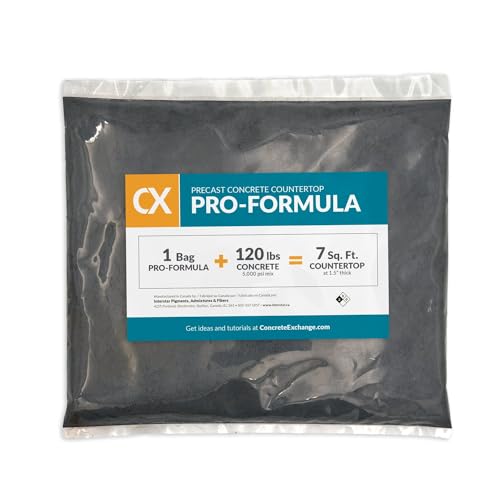
CX Pro-Formula Precast Concrete Countertop Mix | Stone
Check price on Amazon
Concrete Countertops: Design, Forms, and Finishes for the New Kitchen and Bath
Check price on Amazon
102.36" L x 2.17" W x 0.59" T Concrete Edge Mold, Concrete Countertop Forms | Stone Rock Edge Form Liner with Chiseled Stone Finish for Countertops, Steps, Benches & Fireplace Edging
Check price on Amazon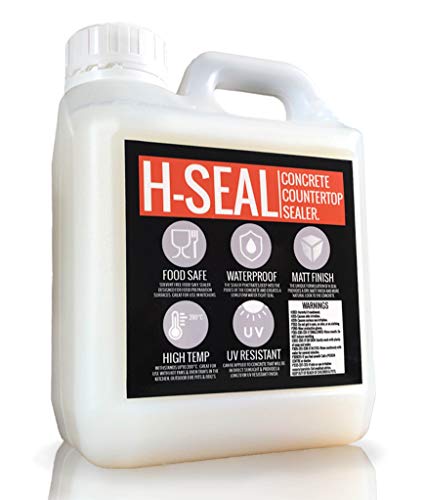
H-SEAL Concrete COUNTERTOP/WORKTOP Sealer | Food Safe/Grade | High Temp | Matte Finish | Waterproof | UV Resistant (1 Liter)
Check price on Amazon
Ovation Concrete Countertop Sealer - an Easy, Food Safe Cement Seal for DIY use (16 oz Satin)
Check price on Amazon
How to Make Concrete Countertops: The Ultimate DIY Guide by the Pioneer of Engineered Concrete Countertops
Check price on Amazon
Tech Mix Premium Concrete Countertop Mix - Kit for Building Counters, Kitchens, Benches, & More, Reverse-Cast, Cast in Place (50 Pounds, White)
Check price on Amazon
Concrete Countertop Water Based Sealer. Food Safe. Matte Finish 1 Kit. Freeze Protection Package When Necessary
Check price on AmazonFrequently Asked Questions About Concrete Countertops
Are concrete countertops worth the cost?
Yes, if you value customization and unique aesthetics. While the upfront cost can be higher than laminate or tile, concrete offers durability and a one-of-a-kind look that can increase your home's value.
Can I install concrete countertops myself?
DIY concrete countertops are possible with kits and careful planning, but professional installation is recommended for the best results, especially for cast-in-place or complex designs.
How long do concrete countertops last?
With proper sealing and maintenance, concrete countertops can last 20–30 years or more, developing a unique patina over time.
Do concrete countertops crack?
Concrete can crack if not properly reinforced or if subjected to sudden temperature changes. Using wire mesh or fiber reinforcement and proper curing minimizes this risk.
Are concrete countertops heat-resistant?
Yes, concrete is highly heat-resistant, but sudden temperature changes can cause cracking. Always use trivets for hot pans.
How often do I need to reseal concrete countertops?
Typically every 1–3 years, depending on usage and the type of sealer. High-traffic kitchens may require more frequent resealing.
Final Thoughts on Concrete Countertops
Concrete countertops offer a unique combination of durability, customization, and industrial elegance. While they require more maintenance than some alternatives, their ability to be molded into any shape and personalized with colors and textures makes them a standout choice for design-savvy homeowners. Whether you're renovating a modern kitchen or a rustic bathroom, concrete countertops can elevate your space with a truly bespoke touch.
Ready to explore more? Check out our guides to countertops, types of countertops, and bathroom vanities to complete your renovation project.